How We Got Here Genealogy

Category Genetic Genealogy

Your Cousin Just Messaged You on Ancestry, Now What? The 5-Step Atlantic Canada Collaboration Framework

You're scrolling through your Ancestry account, maybe checking on a hint or two, when you see it: that little green notification bubble. "New Message from a DNA Match." Your heart does a little skip. Someone, an actual, real-life cousin, wants to connect.

Exciting, right? Absolutely. But also… slightly terrifying.

What if they know more than you? What if they ask you questions you can't answer? What if they've got the whole family tree figured out and you're still trying to work out whether your great-great-grandfather was born in Scotland or Cape Breton? (Spoiler: it was probably Scotland, but he definitely died in Cape Breton.)

Take a breath. This is a good thing. In fact, it's one of the best things that can happen in your genealogy journey. But like any good relationship, it requires a bit of strategy, some ground rules, and a healthy dose of Atlantic Canada common sense.

Here's your 5-step framework for turning that "New Message" notification into a productive, maybe even lifelong, genealogy partnership.

Step 1: Verify the Connection (Because We've Got a Lot of MacLeods)

Here's the thing about Atlantic Canada: we recycle surnames like nobody's business. If you're researching families in Nova Scotia, New Brunswick, Prince Edward Island, or Newfoundland, you already know this. The MacDonalds, the MacLeods, the Gallants, the LeBlancs, the Smiths, they're everywhere. And they're not always related to your MacDonalds or MacLeods.

Before you dive headfirst into sharing your entire research library, take a moment to confirm which side of the family this person actually belongs to.
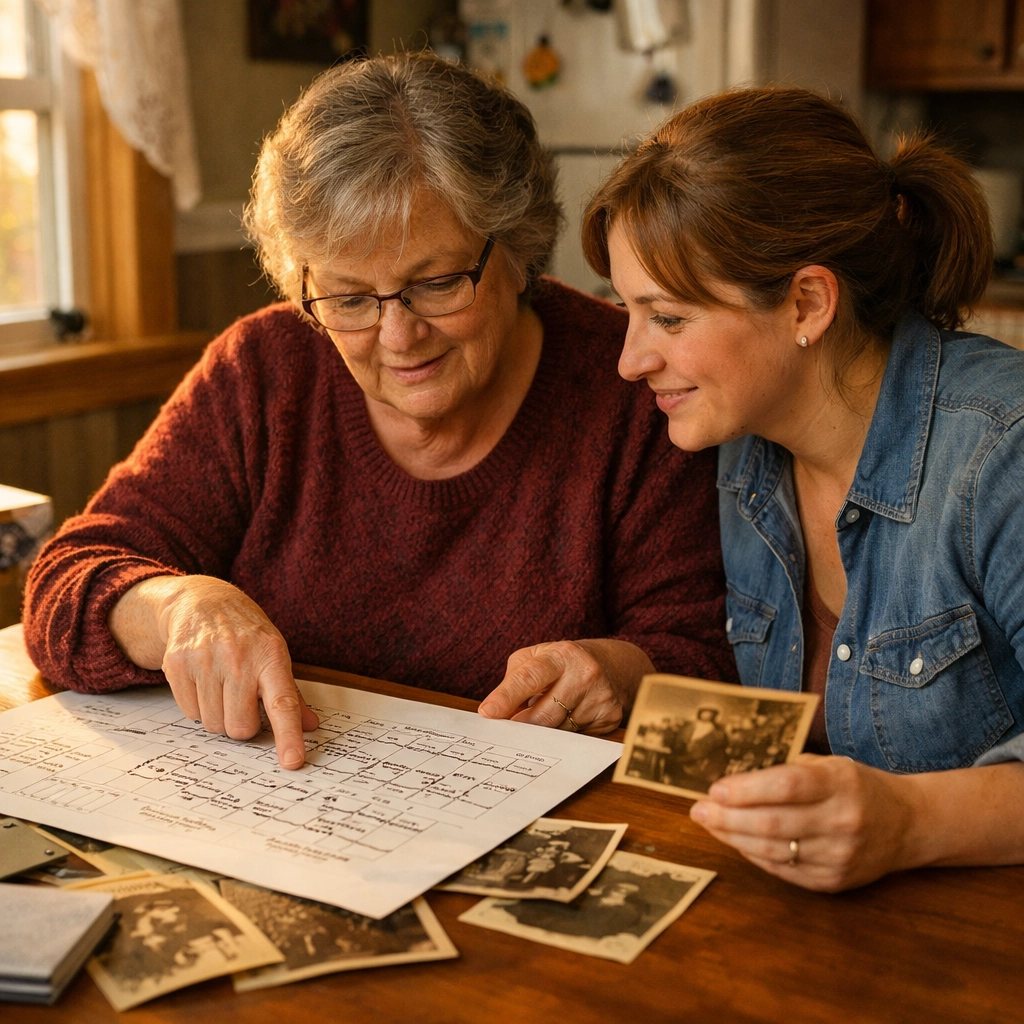
Two genealogy researchers comparing family trees and old photos in Atlantic Canada home

Here's how:

  • Check your shared matches. Ancestry and MyHeritage both show you a list of people you both match with. Look for names you recognise. If you share matches with people from your maternal grandmother's side, bingo, you've got your answer.
  • Ask about place names. A simple "Do you have any family from Pictou County?" or "Did your people come through Cape Breton?" can narrow things down fast.
  • Compare known ancestors. If they mention a surname or a place that rings a bell, ask for a birth year or a spouse's name. That extra detail can confirm whether you're barking up the right family tree, or the wrong one entirely.

Atlantic Canada genealogy is full of clusters. Whole communities migrated together from the Scottish Highlands, Acadia, Ireland, and beyond. So yes, you might match someone with the surname MacDonald, but unless you're both descended from the same MacDonald line that settled in Antigonish in 1820, you're just distant cousins waving at each other from across the genealogical landscape.

Verify first. Celebrate second.

Step 2: Check the Evidence (Not All Trees Are Created Equal)

You've confirmed the connection. Great! Now comes the detective work.

Click over to their tree. What do you see? Are there sources attached to each person? Census records, birth certificates, marriage registrations, obituaries? Or is it a long, beautiful, completely unsourced tree that looks suspiciously like it was copied wholesale from someone else's research?

Here's a hard truth: a lot of online trees are wrong. Not because people are malicious, but because they're human. Someone saw a name that looked close enough, clicked "accept hint," and moved on. Multiply that across five generations, and suddenly your ancestors are living in the wrong province, marrying people they never met, and dying 20 years before they were born.

What to look for:

  • Source citations. Do they list where they found the information? A tree with sources is a tree you can trust (or at least verify).
  • Reasonable dates. If someone's birth year is 1820 but they're supposedly the parent of someone born in 1815, that's a red flag.
  • Specificity. Vague locations like "Canada" or "Scotland" suggest the person hasn't done deep research. Specific places like "West River, Pictou County" or "Isle of Skye, Inverness-shire" are much more promising.

If their tree looks solid, fantastic. If it's a bit of a mess, don't write them off, just proceed with caution. Sometimes the people with the messiest trees are the ones sitting on a treasure trove of family documents, photos, and stories. They just haven't digitised them yet.

Step 3: Define the Goal (What Are We Actually Trying to Solve?)

This is where collaboration gets fun, and focused.

Don't just say, "Hey, cool, we're cousins!" and leave it at that. Ask the question: What do we both want to know?

Maybe you're both stuck on the same brick wall. Perhaps it's figuring out where your shared 3x-great-grandmother was born before she showed up in the 1871 census in Cumberland County. Or maybe it's tracing that elusive Scottish immigrant who left the Highlands during the Clearances and landed in Cape Breton in the 1820s.
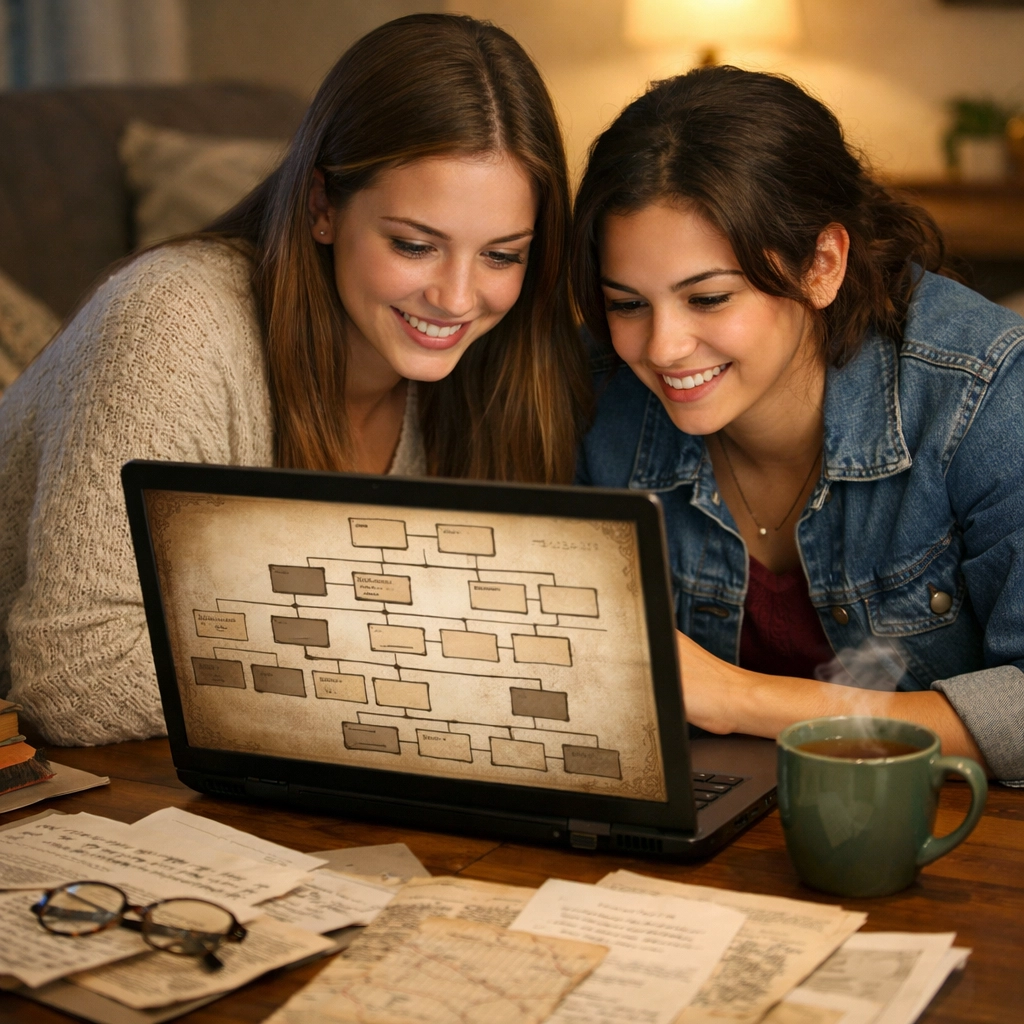
Cousins collaborating on genealogy research using laptop with historical family documents

Here's how to frame it:

"I see we share [ancestor's name]. I've been trying to figure out [specific question]. Have you come across anything that might help?"

Be specific. "I'm trying to find out more about the MacKinnons" is too broad. "I'm trying to confirm whether Duncan MacKinnon, born around 1795 in Skye, is the same Duncan MacKinnon who married Mary MacDonald in Mabou in 1822" is gold.

When you define a shared goal, you transform a casual message exchange into a real research partnership. And trust me, two heads are better than one, especially when you're both staring at the same stubborn ancestor who refuses to appear in any records.

Step 4: Share with Care (Nobody Needs a 2,000-Person GEDCOM)

You're excited. I get it. You've been working on this tree for years. You've got 1,847 people entered, complete with notes, sources, and that one photo of Great-Aunt Mabel from 1932.

But here's the thing: don't overwhelm them.

Sending someone your entire GEDCOM file on day one is like handing them a phone book and saying, "Your ancestors are in here somewhere, good luck!" It's too much, too fast, and it's more likely to confuse than to help.

Instead, share strategically:

  • Focus on your common line. Send them a mini-tree or a few generations that directly relate to your shared ancestors.
  • Share specific documents. If you've got a census record, a land grant, or an obituary that mentions their side of the family, send that. Context is everything.
  • Tell stories. People connect with narratives. "Here's what I know about our shared great-great-grandfather, he was a ship's carpenter who emigrated from Inverness in 1848 and settled in Pictou" is way more engaging than a dry list of dates.

Think of it this way: you're not dumping your entire filing cabinet on their desk. You're handing them a carefully curated folder labelled "The Stuff That Matters to Both of Us."

Step 5: Create a Collaborative Plan (Genealogy Is a Team Sport)

Here's what I believe at How We Got Here Genealogy Services: genealogy is a team sport. Yes, you can do it solo, but it's so much richer: and so much more fun: when you work together.

Once you've verified the connection, checked the evidence, defined your goal, and shared some initial information, it's time to map out a plan.

Suggest a division of labour:

  • "I'll dig into the Nova Scotia land records for the MacLeods if you can check the PEI census records for the MacDonalds."
  • "I've got access to Ancestry and Library and Archives Canada. Do you have access to any local genealogical societies or historical collections?"
  • "Let's each take a different branch and compare notes in two weeks."

Set up a shared Google Doc or a private Facebook group. Create a timeline. Decide who's tackling which record set. Make it collaborative, not competitive.

And here's the secret: if you hit a massive brick wall despite your combined best efforts, that's okay. That's normal. Atlantic Canada genealogy is full of missing records, burned courthouses, and ancestors who seemed to vanish into thin air. Sometimes you need a pro.

That's where I come in.

When the Brick Wall Won't Budge

If you and your newfound cousin have exhausted every lead, scoured every census record, and still can't crack that brick wall, it might be time to bring in some reinforcement. I've spent years specialising in Atlantic Canada genealogy, with deep knowledge of Scottish and Acadian migration patterns, land grants, church records, and all those sneaky little archives that most people overlook.

Sometimes all you need is a fresh set of eyes: and someone who knows exactly where to look.

Ready to break through? Book a free 30-minute consultation at www.howwegothere.ca and let's figure out how we can help you and your cousin bridge the gap between "stuck" and "solved."


Final Thought

That "New Message" notification isn't just a digital ping: it's an invitation. An invitation to connect with someone who shares your DNA, your curiosity, and your stubborn determination to figure out where you came from.

So the next time that little green bubble pops up, don't panic. Smile. You've just found a teammate.

And who knows? Together, you might just solve the mystery that's been haunting your family for generations.

Happy hunting: and happy collaborating.

: Brian Nash, Chief Genealogist and Owner
How We Got Here Genealogy Services


Written by Brian Nash
Are You Making These 5 Common DNA Testing Mistakes? (And Missing Your Atlantic Canada Connections)

DNA testing has revolutionised genealogy research, particularly for those of us tracing Atlantic Canada roots. Whether you're hunting down Acadian ancestors, following Maritime migration patterns, or trying to connect with distant Nova Scotia cousins, DNA can be your secret weapon. But here's the thing: I see the same costly mistakes over and over again, and they're keeping people from discovering their true Atlantic Canada connections.

After years of helping families piece together their Maritime heritage, I've noticed that the difference between DNA success and DNA frustration often comes down to avoiding these five critical errors. Let's dive in and make sure you're not sabotaging your own family history journey.

Mistake #1: Contaminating Your DNA Sample (And Why This Matters More in Atlantic Canada Research)

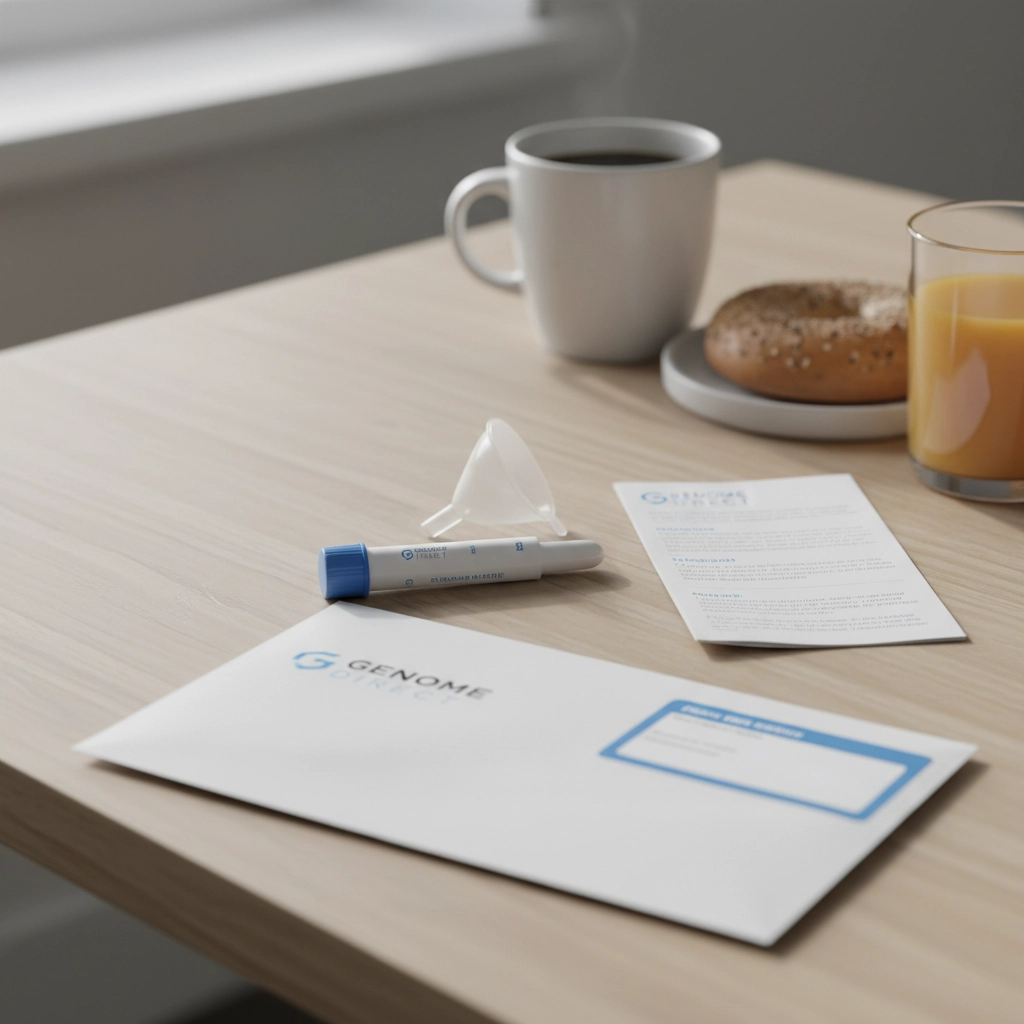
Picture this: you've finally decided to take that DNA test to confirm your suspected Acadian lineage. You're excited, maybe a bit nervous, and you grab your morning coffee whilst reading the instructions. Big mistake.

Sample contamination is the most preventable yet common error in DNA testing. When you consume food, beverages, smoke, or chew gum within 30 minutes of collecting your sample, you're introducing foreign genetic material that can skew your results. This might seem minor, but for Atlantic Canada research, where precise ethnic percentages can distinguish between French Acadian, Scottish Highland, or Irish heritage, contamination can muddy the waters significantly.

image_1

The Atlantic Canada Connection: Maritime families often have complex mixed heritage: Acadian French, Mi'kmaq First Nations, Scottish, Irish, and English. Contaminated samples can blur these distinct genetic signatures, making it harder to identify which cultural communities your ancestors belonged to.

The Fix: Fast for at least 30 minutes before collection. No exceptions. Rinse your mouth with water, wait, then collect your sample exactly as instructed. If you're testing multiple family members (brilliant strategy, by the way), handle one kit at a time in separate areas to prevent cross-contamination.

Mistake #2: Playing Fast and Loose with Sample Handling

Here's where things get properly frustrating. You've followed the contamination rules perfectly, but then you accidentally mix up sample tubes between family members. This happens more often than you'd think, especially when enthusiastic families decide to test everyone at Christmas dinner.

Data entry errors and sample mislabelling represent the most frequent mistakes during DNA collection. I've seen cases where a father's DNA results came back under his daughter's name, completely confusing the family tree and leading to months of unnecessary confusion.

The Atlantic Canada Connection: Maritime families are often close-knit, with multiple generations living nearby. This makes group testing sessions tempting, but also increases the risk of mix-ups. When you're trying to distinguish between branches of large Acadian families or trace which MacLeod cousin connects to which Highland settlement, accuracy becomes absolutely crucial.

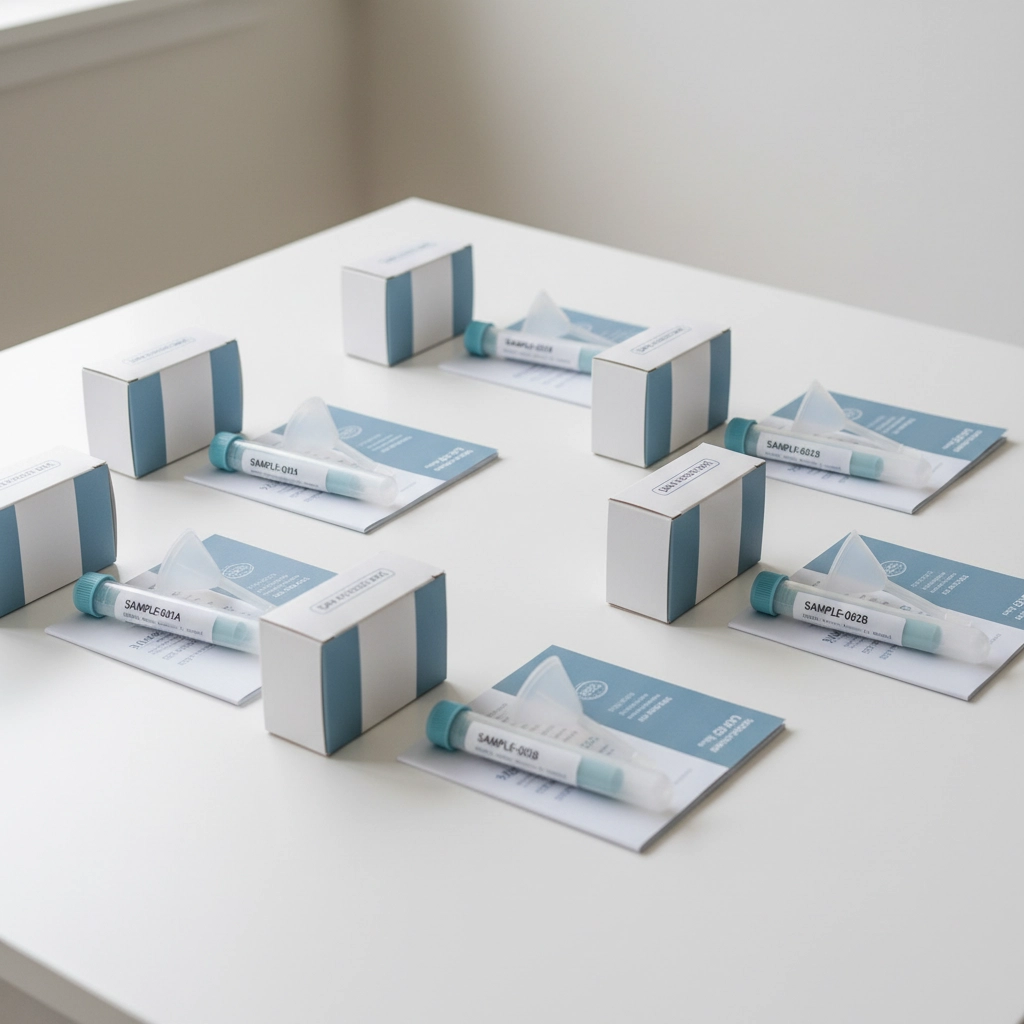
The Fix: Open one kit at a time. Complete the entire process: registration, collection, sealing, posting: before touching the next kit. Use different rooms if possible. Create a simple checklist: "Name matches tube, tube matches envelope, envelope matches shipping label."

Mistake #3: Going Solo When You Should Be Building a Team

This is where I see people really limit their potential discoveries. They test themselves and wait for magic to happen. But DNA genealogy isn't a solo sport: it's a team effort.

Not testing known relatives or failing to upload their existing DNA results is like trying to solve a jigsaw puzzle with only half the pieces. Every additional family member you include dramatically improves your ability to identify shared ancestors and understand your Atlantic Canada connections.

image_2

The Atlantic Canada Connection: Maritime communities were often small and interconnected. Your third cousin in Yarmouth might hold the key to identifying your Lunenburg German ancestors, whilst your aunt's DNA could reveal the missing link to your Cape Breton Scottish roots. These connections often span the entire Atlantic region.

The Fix: Start a family DNA project. Approach parents, aunts, uncles, and willing cousins about testing. If they've already tested elsewhere, many platforms accept uploads from other companies. Even one additional known relative can transform your results from confusing to conclusive.

Mistake #4: Putting All Your Eggs in One Basket

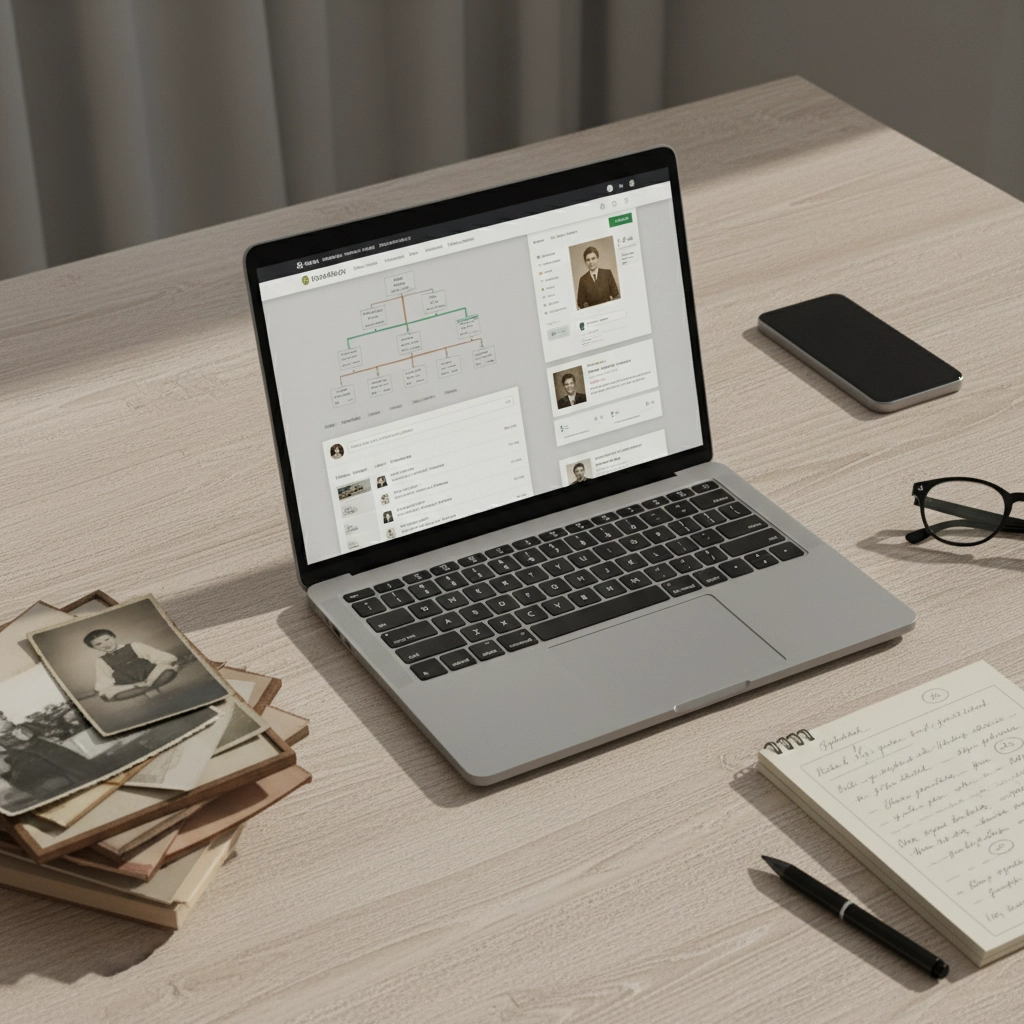
Different DNA testing companies maintain entirely different databases. Your Prince Edward Island cousins might only show up on AncestryDNA, whilst your Newfoundland connections could be concentrated on 23andMe or MyHeritage. Relying on a single platform is like fishing in only one section of the harbour when the best catches are spread across multiple areas.

The Atlantic Canada Connection: Atlantic Canada has a unique demographic history. Early Acadian settlers, Scottish Highland clearances, Irish famine refugees, and Maritime migration to New England created scattered family networks. These diverse communities may have gravitated toward different DNA testing platforms, meaning your matches could be fragmented across multiple databases.

image_3

The Fix: Upload your raw DNA results to multiple genealogy platforms. MyHeritage, FamilyTreeDNA, and GEDmatch all accept uploads from major testing companies, often for free or a small fee. This dramatically expands your potential match pool without requiring additional testing.

Mistake #5: Flying Blind with Analysis Tools

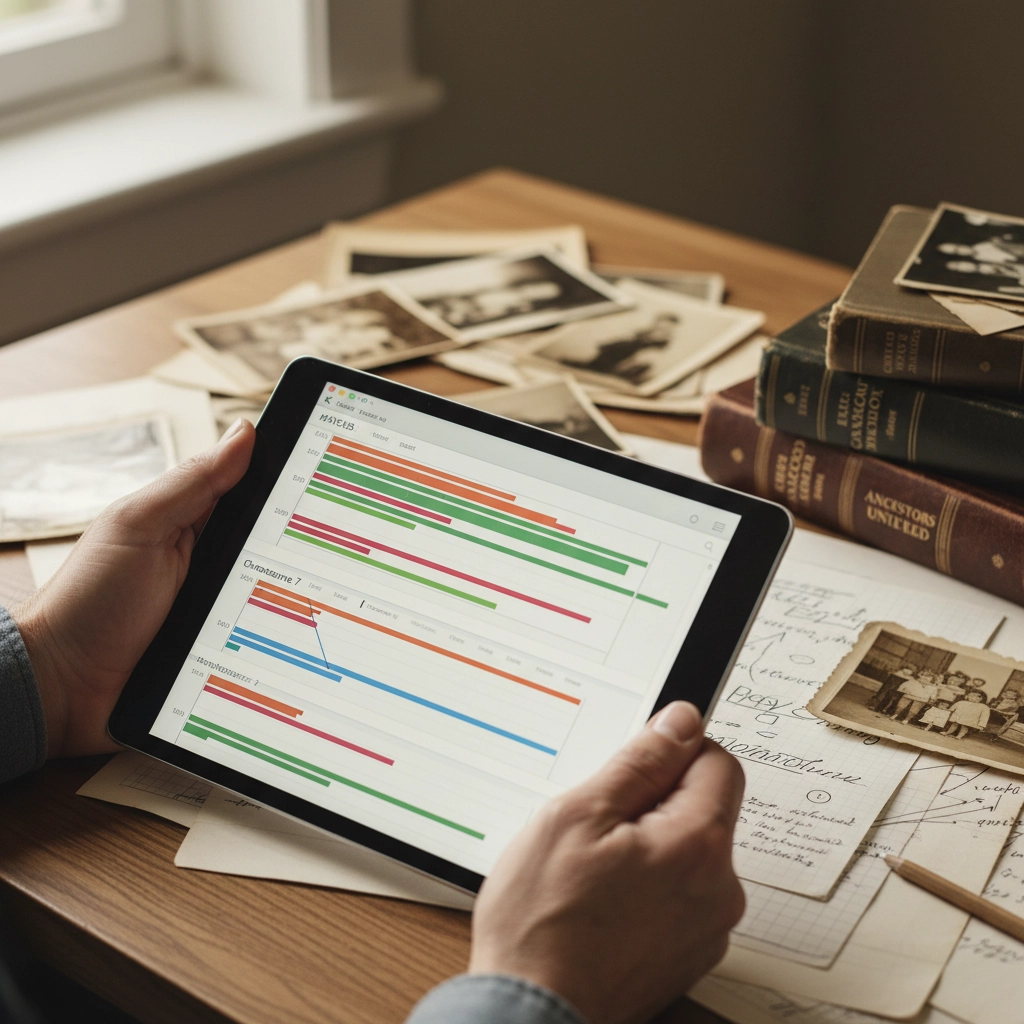
You've got your results back, you're looking at hundreds of DNA matches, and you're completely overwhelmed. You start clicking through chromosome browsers without understanding what you're looking for, or you assume that larger shared DNA segments automatically mean closer relationships.

Misusing analysis tools and misinterpreting results is perhaps the most frustrating mistake because you have all the data you need: you're just not using it effectively. This is like having a detailed map but not knowing how to read the compass.

The Atlantic Canada Connection: Atlantic Canada genealogy often involves complex relationship networks. Endogamous communities (where people married within small geographic or cultural groups) can make DNA analysis particularly challenging. Acadian families, isolated island communities, and tight-knit Scottish settlements all created genetic patterns that require careful interpretation.

The Fix: Take time to learn the basics of DNA analysis. Understand what centiMorgans mean, learn to use chromosome browsers effectively, and don't rely solely on automated ethnicity estimates. Consider taking an online DNA course or joining Atlantic Canada genealogy Facebook groups where experienced researchers share knowledge.

image_4

Maximising Your Atlantic Canada DNA Success

Beyond avoiding these mistakes, here are some specific strategies for Atlantic Canada research:

Test the Eldest Generation First: Your grandmother's DNA contains genetic information that might be diluted or lost in younger generations. Atlantic Canada families often have excellent oral histories: combine DNA with family stories for maximum impact.

Understand Migration Patterns: Atlantic Canada families rarely stayed put. They moved from Acadia to Louisiana, from Nova Scotia to New England, from Newfoundland to Ontario. Your closest DNA matches might be thousands of kilometres away from your ancestors' original settlements.

Embrace the Complexity: Atlantic Canada heritage is beautifully complex. Don't be discouraged if your results show unexpected ethnicities or confusing family connections. This diversity is part of your story.

image_5

The Laboratory Quality Factor

Not all DNA testing labs maintain identical standards. Ensure your chosen company uses accredited facilities with proper protocols and regularly calibrated equipment. Whilst DNA testing is 99.999% accurate at quality labs, substandard facilities can produce errors that completely derail your research.

For Atlantic Canada research specifically, choose companies with strong databases in North America and Europe, since these regions contain most Maritime DNA matches.

Moving Forward with Confidence

Remember, uncovering your Atlantic Canada family history is a journey, not a sprint. These DNA mistakes are completely avoidable with proper planning and realistic expectations. Every corrected error brings you closer to understanding your Maritime heritage and connecting with cousins you never knew existed.

The Atlantic Canada story is one of resilience, migration, and interconnected communities spanning centuries. Your DNA holds pieces of this remarkable narrative: don't let simple mistakes prevent you from discovering the full story.

Whether you're just beginning your DNA journey or looking to solve existing mysteries, avoiding these five common mistakes will dramatically improve your chances of success. Your Atlantic Canada ancestors are waiting to be found: make sure you're giving yourself the best possible chance to find them.

Ready to dive deeper into your Atlantic Canada DNA research? Every family story matters, and every connection brings us closer to understanding the rich tapestry of Maritime heritage that makes this region so special.

Decoding Your DNA: Why Those Ethnicity Estimates Keep Changing!

Ever stared at your DNA ethnicity results and wondered why they seem to shift and wobble over time? Or perhaps you’ve compared results from different companies and found yourself scratching your head at the discrepancies? The latest video from How We Got Here Genealogy dives into these common questions, offering clarity and a healthy dose of perspective on the fascinating, but sometimes confusing, world of DNA ancestry testing.

The video tackles the mystery of changing ethnicity estimates head-on. It’s not magic, and it’s not a conspiracy! The key lies in understanding the “research panels” used by DNA companies. These panels are essentially groups of people with known ethnic backgrounds, and your DNA is compared against them to determine your likely heritage [00:55]. As these panels grow larger and more diverse, the accuracy of the estimates improves, leading to those sometimes surprising updates [01:35].

And what about those differences between companies? Well, the video explains that each company has its own unique reference panels and, crucially, tests different parts of your DNA (specific SNPs) [02:54]. Think of it like looking at different pieces of the puzzle – you’ll get slightly different pictures depending on which pieces you’re examining [03:35].

To really drive the point home, the video uses a clever sci-fi analogy, casting the viewer as a galactic detective trying to determine the home planets of alien refugees based on limited clues [05:17]. It’s a fun and engaging way to illustrate how updated information and different criteria can lead to evolving conclusions [11:18].

Ultimately, the video delivers a valuable message: DNA ethnicity estimates are a fascinating tool for exploring our ancestry, but they’re not the final word [16:21]. They’re a starting point, a piece of the puzzle. The most reliable way to truly understand your roots? Good old-fashioned genealogical research – digging into records, tracing family lines, and piecing together the stories of your ancestors [16:45].

MyHeritage DNA Update: A Wild Ride Through My Ethnicity Results!

If you’re into genealogy and have taken a MyHeritage DNA test, you’ve probably experienced the rollercoaster of emotions that comes with updated ethnicity estimates. The latest video from How We Got Here Genealogy perfectly captures this feeling, as Brian navigates his own surprising results. He starts by mentioning his initial frustration with waiting for the update, a feeling many of us can relate to!

Brian then walks us through his old ethnicity results, a fascinating mix including Irish, Scottish, Welsh, Balkan, Finnish, Greek, and Southern Italian. But the real fun begins when he reveals the updated picture. Talk about a dramatic shift! Scottish and Welsh are now grouped together, Irish makes a big leap, and new players like English, Breton, and Dutch enter the scene.

So, what’s behind these changes? The video clearly explains that it’s all about improvements in MyHeritage’s reference panel and algorithm. As their database grows and their methods become more refined, the estimates become more accurate, leading to these sometimes-surprising revisions.

But here’s the key takeaway: while ethnicity estimates are intriguing, they’re not the holy grail of genealogy. Brian rightly emphasizes that DNA matches are far more valuable for genealogical research. Connecting with living relatives who share your DNA is where you’ll uncover new branches of your family tree and truly bring your ancestry to life.

The video concludes with a great call to action: dive into your DNA matches and start exploring! And if you’re looking for resources to help you on your genealogical journey, Brian provides some helpful links. This video is a must-watch for anyone who wants to understand the nuances of DNA ethnicity estimates and learn how to use their DNA results to make real genealogical breakthroughs.

The Ever-Evolving Story of Your DNA: Why Ancestry Results Can Change

Ever get a surprise update to your ancestry DNA results? The latest video from How We Got Here Genealogy explains why those ethnicity estimates can shift and change over time, offering clarity and perspective on a topic that can often seem confusing.

The video tackles the core reason for these changes head-on: DNA testing companies compare your DNA to reference panels, which are groups of individuals with known ancestry [01:48]. As these panels grow larger and more diverse, and as the algorithms used to analyze the data become more sophisticated, your ethnicity estimates can be refined, leading to updates [07:28].

It’s also important to remember that different companies use different reference groups and different algorithms. This means that even if you test with multiple companies, you might get slightly different results [03:21]. The video even references personal test results from MyHeritage, Family Tree DNA, and Ancestry to illustrate this point [03:35].

So, how do you make sense of it all? The video recommends choosing a reputable testing company with a diverse reference panel and up-to-date algorithms for the most accurate results [08:33]. But perhaps the most important takeaway is that DNA results are just one piece of the puzzle. The video emphasizes the importance of combining your DNA findings with traditional genealogical research – exploring family history, tracing your family tree, and comparing it with your DNA results [08:39].

For those looking to delve even deeper, the video suggests uploading your DNA data to third-party tools and databases for additional insights [09:35]. This can open up new avenues for exploration and help you connect with even more distant relatives.

Ultimately, this video provides a valuable reminder that our understanding of ancestry is constantly evolving. DNA testing is a powerful tool, but it’s just one piece of the puzzle. By combining it with traditional research and staying informed about the science behind it, we can gain a richer and more nuanced understanding of our family history.