How We Got Here Genealogy
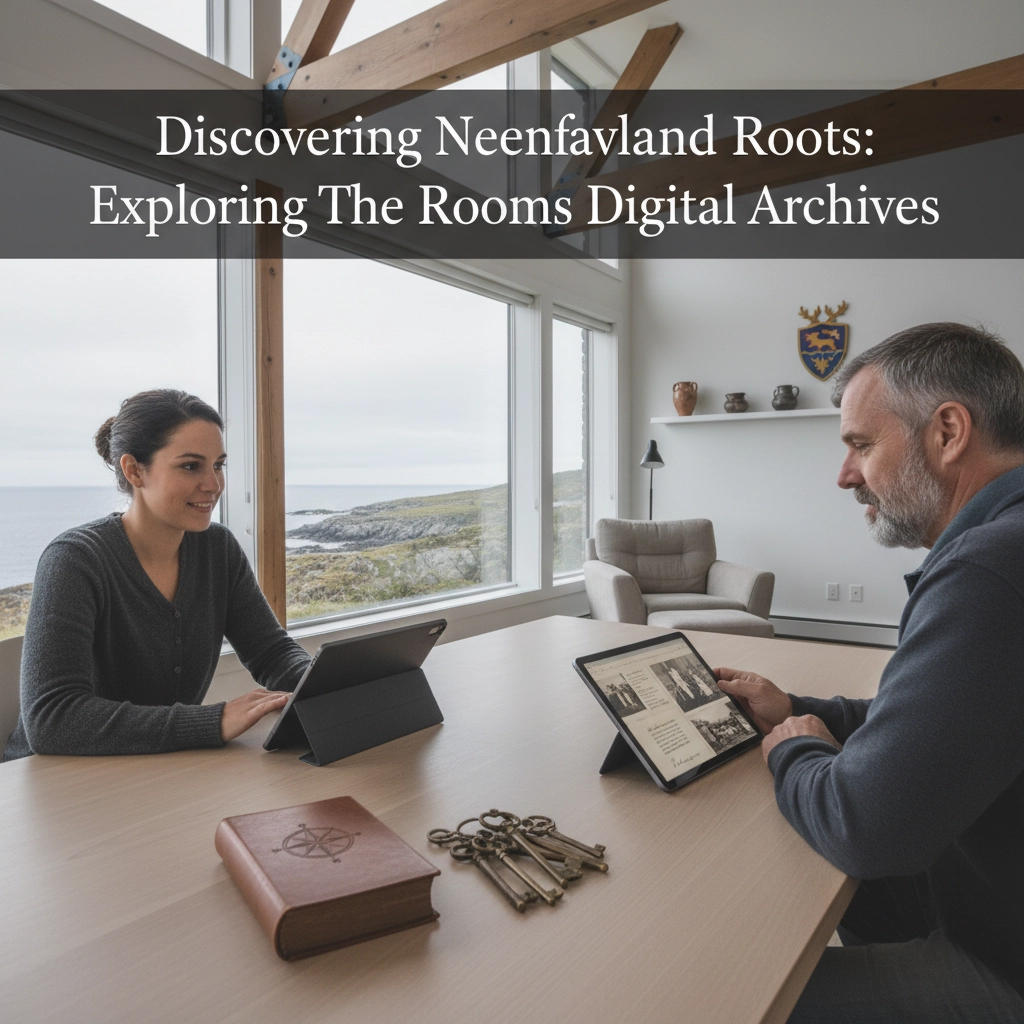
Discovering Newfoundland Roots: Exploring The Rooms Digital Archives

Welcome to Web Find Wednesday! Today we're diving into one of Atlantic Canada's best-kept genealogy secrets: a treasure trove that's been quietly revolutionizing Newfoundland family history research. Whether you're tracing your roots back to the Rock or simply curious about this incredible resource, you're in for a treat.

Meet The Rooms Digital Archives: Newfoundland and Labrador's premier archival institution that's been systematically digitizing centuries of history, making it accessible to researchers worldwide. If you've been struggling to find records for your Newfoundland ancestors, this might just be the game-changer you've been looking for.

Why The Rooms Should Be Your New Best Friend

Here's the thing about Newfoundland genealogy: it can feel like you're searching for a needle in a haystack, especially when you're dealing with isolated communities and unique naming patterns. The Rooms changes all that by bringing together over 400,000 digitized items under one virtual roof.

As Canada's oldest colony, Newfoundland has a rich documentary heritage spanning over 350 years. The challenge has always been accessing these records. The Rooms has tackled this head-on, creating searchable digital collections that you can explore from anywhere in the world.

image_1

What Makes This Resource Special?

The Photograph Collections Alone Will Blow Your Mind

With more than 400,000 photographic items, including 14,000 glass plate negatives, The Rooms offers an unparalleled visual journey through Newfoundland's past. We're talking tintypes, daguerreotypes, ambrotypes: the whole nine yards. These aren't just random snapshots; they're carefully curated glimpses into community life, family gatherings, and historical moments that could include your ancestors.

Vital Statistics That Actually Help

One of the biggest frustrations in genealogy is hitting that brick wall with vital records. The Rooms has digitized death certificates from 1950 to 1968: that's over 59,000 records that are fully searchable online. While this might seem like a narrow window, it's exactly the bridge many researchers need to connect their living relatives with earlier generations.

Maps and Property Records

The cartographic collection contains over 50,000 maps, plans, and drawings. This isn't just about pretty pictures: these resources help you understand settlement patterns, trace property ownership, and visualize how communities developed over time. If your ancestor lived in a particular area, these maps might show you their neighborhood as it existed generations ago.

Military Heritage and Wartime Stories

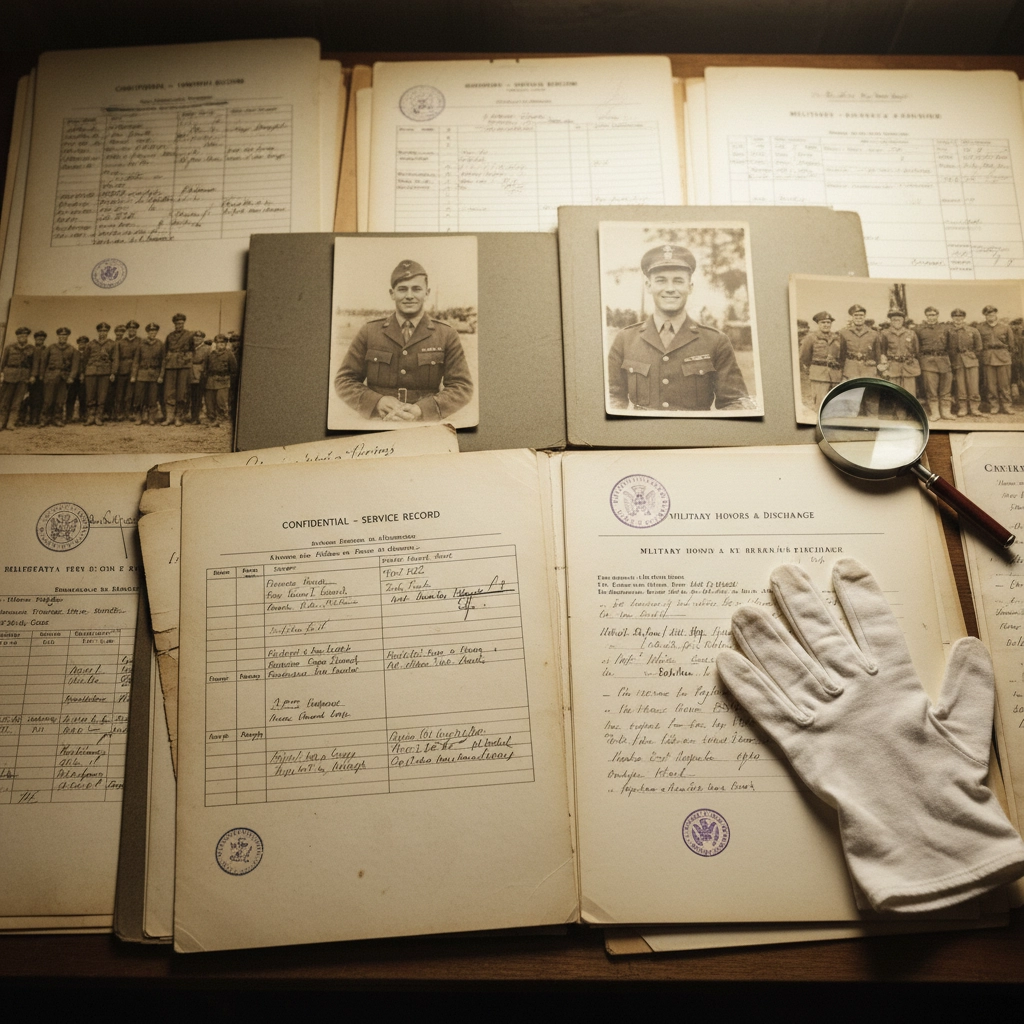
For families with military connections, The Rooms is absolute gold. The archives maintain detailed service files for the First Newfoundland Regiment and the Newfoundland Forestry Companies. The "Died in Service" database features approximately 1,800 individual wartime biographies: comprehensive stories that go far beyond just names and dates.

These records often include personal details, service histories, and family information that you won't find anywhere else. If you've wondered about an ancestor's military service, this could be where you finally get the full story.

image_2

Parish Records: The Genealogist's Secret Weapon

Here's where things get really exciting for family historians. Parish records at The Rooms include baptisms, marriages, and burials dating back to the early 19th century: some baptism records start as early as 1816. These ecclesiastical records often predate civil registration, making them the earliest documented evidence of your family's presence in specific communities.

Don't underestimate the power of these church records. They frequently include details like parents' names, sponsors, and places of origin that can break through those stubborn research roadblocks.

Manuscript Collections and Personal Stories

The manuscripts collection is where you'll find the human stories behind the statistics. Personal journals, diaries, correspondence, and records from community organizations paint a picture of daily life that official documents can't capture. These collections have particular strength in mercantile records related to the Newfoundland fishery: crucial for understanding the economic backbone of many communities.

How to Make The Most of Your Digital Digging

Start Smart, Not Hard

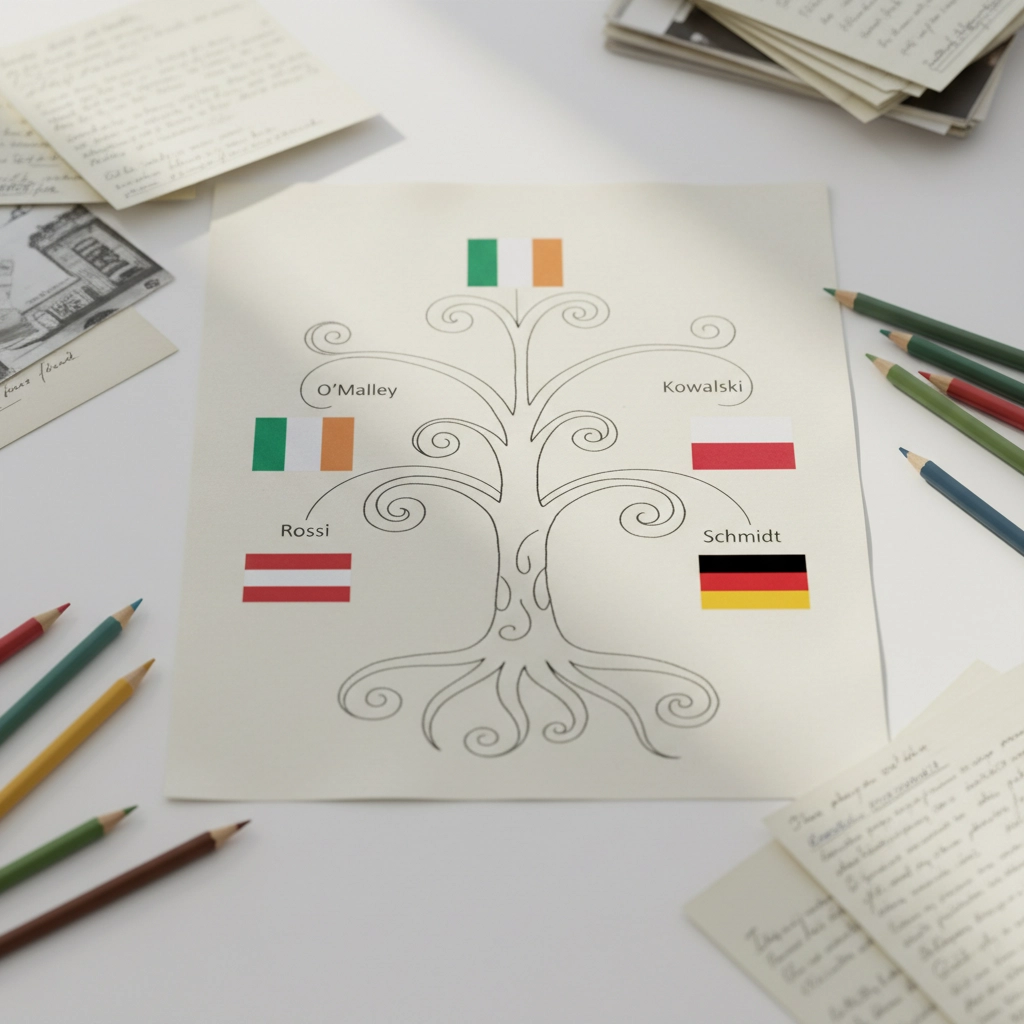
Before you dive into The Rooms' collections, do your homework. Create that family tree on paper first, working backward from yourself through parents and grandparents. Identify the specific gaps you need to fill: this focused approach will save you hours of digital wandering.

Master the Search Functions

The Rooms provides online database searching that lets you search record descriptions and view thousands of digital photographs. Don't just search for names: try variations, nicknames, and even just surnames to cast a wider net. Newfoundland naming patterns can be tricky, so flexibility is key.

Consider the Context

Remember that Newfoundland remained a British colony until 1949. This means some records might be organized differently than you'd expect from other Canadian provinces. Understanding this historical context will help you navigate the collections more effectively.

image_3

Getting Hands-On Help

While the digital collections are fantastic for remote research, don't overlook the value of connecting with the experts. The Rooms offers permanent Researcher Registration for just $10 (included with membership), giving you access to reference staff who know these collections inside and out.

The Archives Reference Room operates Monday through Saturday, with extended hours on Wednesdays until 9:00 PM. If you're planning a research trip to St. John's, this is your command center.

Connect with a Local Expert

Speaking of experts, here's something exciting to look forward to: In our upcoming October podcast episode, I'll be sitting down with Craig Morrisey of More You See Genealogy, a talented researcher who's based in Newfoundland and works directly at The Rooms. Craig brings a unique perspective: he understands both the researcher's needs and the insider knowledge of how these collections work.

This interview promises to be packed with practical tips, hidden gems within the collections, and insights that only come from working with these records day in and day out. Craig will share strategies for maximizing your research time, navigating the more challenging aspects of Newfoundland genealogy, and making connections you might never have considered.

If you're serious about Newfoundland research, this podcast episode will be essential listening. We'll dive deep into specific research strategies, discuss common pitfalls to avoid, and explore how The Rooms fits into the broader landscape of Atlantic Canadian genealogy.

Beyond the Obvious Records

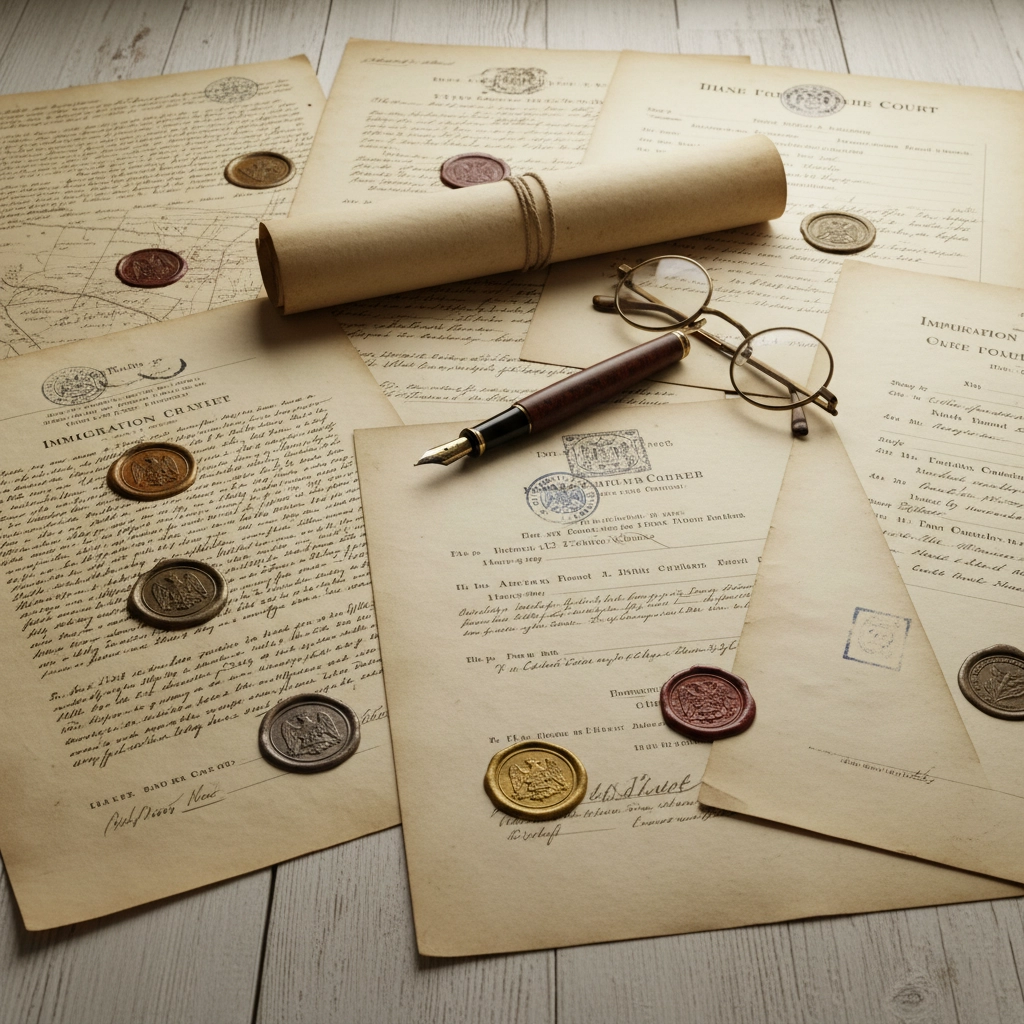
Here's a pro tip: Don't just focus on the obvious genealogical records. The Rooms' government archives contain immigration documents, land grants, court records, and other official interactions that can illuminate your family's story in unexpected ways. Sometimes these "secondary" sources provide the breakthrough information that traditional vital records can't offer.

The institution operates under the Rooms Act 2005, which ensures both official government records and significant private records relevant to provincial history are preserved. This comprehensive mandate means you might find your ancestor mentioned in surprising contexts: business dealings, community involvement, or legal proceedings that add depth to their story.

image_4

Making Connections Across Collections

One of The Rooms' greatest strengths is how different collections complement each other. A photograph might lead you to a manuscript collection, which could point you toward government records, which might connect to military files. This interconnected approach means your research can grow organically, following the threads of your ancestors' actual lives rather than artificial organizational boundaries.

The Digital Advantage

The beauty of The Rooms' digital approach is that it eliminates geographical barriers. You don't need to travel to St. John's to begin your research: though a visit can certainly enhance your discoveries. The online access means you can explore, make preliminary findings, and plan targeted research strategies before investing in travel or extended archive visits.

This digital accessibility has democratized Newfoundland genealogy in ways that seemed impossible just a decade ago. Researchers from around the world can now explore these collections, contributing to a global understanding of Newfoundland's diaspora and the interconnected stories of families spread across continents.

Your Next Steps

Ready to explore The Rooms Digital Archives? Start by visiting their website and creating your research account. Begin with focused searches based on the gaps you've identified in your family tree. Don't be discouraged if your first searches don't yield immediate results: persistence and creativity in your search strategies will pay off.

Remember, every record and every photograph brings you closer to understanding not just who your ancestors were, but how they lived, what challenges they faced, and what communities shaped their experiences. The Rooms Digital Archives isn't just a repository of old documents: it's a gateway to the stories that shaped your family and, ultimately, you.

The journey of uncovering your Newfoundland roots through The Rooms is more than just genealogical research: it's an exploration of resilience, community, and the enduring connections that bind families across time and geography. Whether you discover a long-lost photograph of your great-grandmother or uncover military records that explain family stories passed down through generations, each find brings you closer to the complete picture of your heritage.

Don't miss our October podcast episode with Craig Morrisey: it's going to be an invaluable resource for anyone serious about Newfoundland genealogy. Until then, happy researching, and may your digital digging at The Rooms reveal the stories your ancestors are waiting to share.

Citizenship by Descent: Can Your DNA Really Unlock European Citizenship Rights?

Important Disclaimer: This article is for informational and educational purposes only. It is not legal advice, immigration advice, or guidance on obtaining citizenship. Always consult with qualified legal professionals or immigration attorneys for advice specific to your situation. HowWeGotHere Genealogy provides genealogy research services, not legal or immigration services.

Picture this: you've just received your DNA results, and they're lighting up like a Christmas tree across Europe. Your genetic markers are dancing from Ireland to Italy, from Scotland to Poland. You're thinking, "This is it! My golden ticket to European citizenship!"

But before you start planning your move to that charming Italian village your DNA says you're connected to, let's have a reality check about what those genetic markers can and cannot unlock.

The Short Answer: DNA Alone Won't Get You There

Here's the truth that might burst your bubble: DNA testing cannot be used to obtain European citizenship by descent. Despite what those enticing online ads might suggest, no European Union country accepts genetic testing as proof of lineage for citizenship applications. It's like trying to use a photograph of a key to unlock a door – it shows you what the key looks like, but it won't actually open anything.

European countries operating under citizenship by descent laws require comprehensive official documentation, not genetic markers. Your 23andMe results might tell an fascinating story about your ancestry, but they won't convince any European consulate to hand you a passport.

image_1

Understanding the Legal Framework: Jus Sanguinis

European citizenship by descent operates under an ancient legal principle called jus sanguinis, Latin for "right of blood." This concept allows individuals to claim citizenship based on their ancestral heritage rather than their birthplace – but here's where it gets tricky.

Think of jus sanguinis as a legal chain that must remain unbroken from your ancestor to you. Each link in this chain must be proven through official government records, not genetic testing. It's not enough to prove you're biologically related to someone from Ireland or Italy; you must demonstrate that:

  • You have a direct bloodline to a citizen of that country
  • Your ancestor maintained their citizenship when it needed to be passed down
  • The citizenship was never renounced before transmission
  • You meet the specific generational limits set by each country

This is where many hopeful applicants hit their first wall. Having Irish DNA doesn't automatically mean you have an Irish citizen ancestor within the required generational limits.

What Documentation Actually Works

To successfully navigate the citizenship by descent process, you'll need to become a detective – but instead of following DNA clues, you'll be hunting down vital records. These are your real tools for unlocking European citizenship:

Essential Documents Include:

  • Birth certificates (yours and your ancestors')
  • Marriage certificates
  • Death certificates
  • Naturalization records
  • Immigration documents
  • Military service records
  • Church records (baptism, marriage, burial)

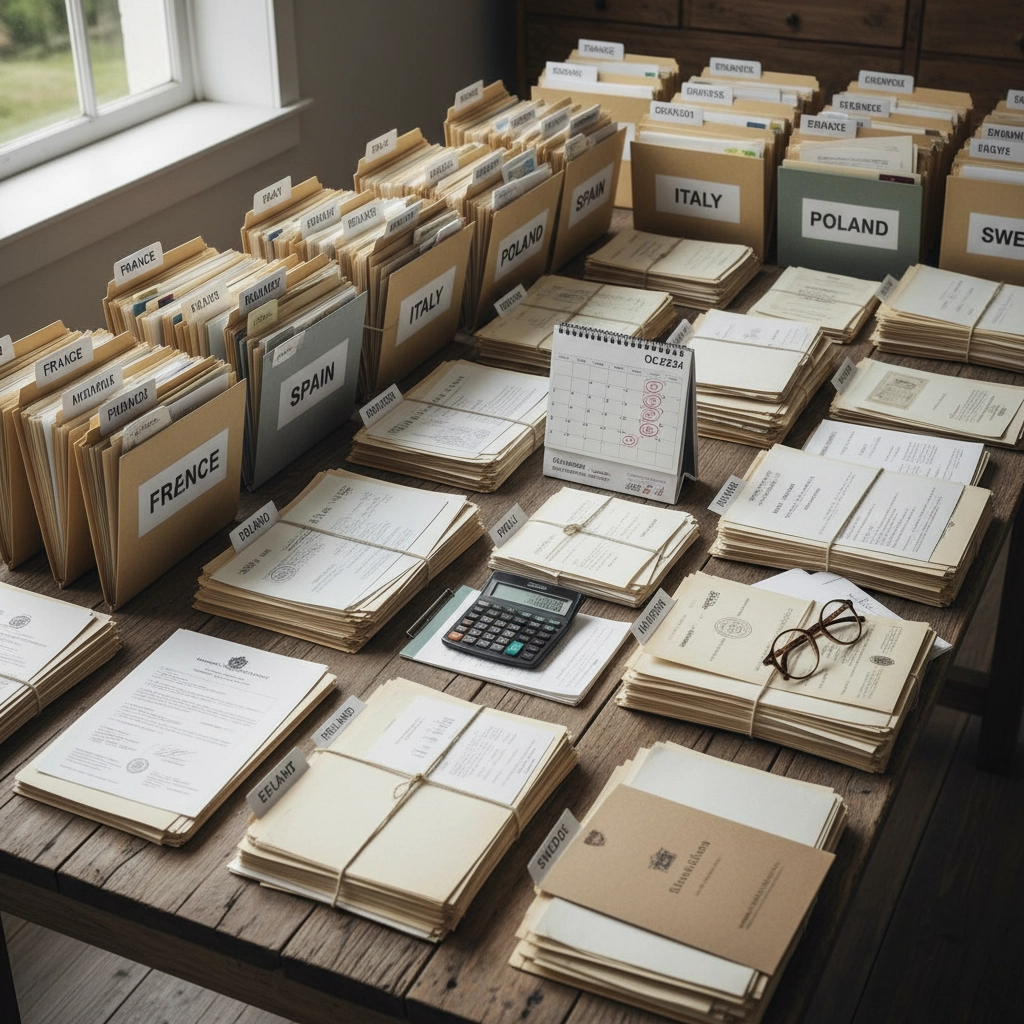
Each document serves as a legal building block in constructing your citizenship case. Think of it as building a bridge across generations – every plank must be solid and officially certified to support your crossing.

image_2

The documentation process often resembles archaeological work. You might find yourself digging through courthouse records, reaching out to distant relatives, or working with professional genealogists to reconstruct incomplete family histories. Many successful applicants describe it as solving a multi-generational puzzle where every piece must fit perfectly.

Country-Specific Requirements: No One-Size-Fits-All

Each European country maintains its own citizenship laws, and they vary dramatically. What works for claiming Irish citizenship might be completely irrelevant for Italian citizenship. Let's break down some key examples:

Ireland allows citizenship claims through parents or grandparents born in Ireland, with great-grandchildren potentially qualifying if their parent registered in the Foreign Births Register before their birth. It's relatively straightforward but requires precise timing and documentation.

Italy recently tightened its rules, now limiting citizenship by descent to parents or grandparents who were Italian citizens when their children were born. The days of claiming Italian citizenship through great-great-grandparents are largely over.

Poland offers citizenship with no strict generational limit, provided the ancestral chain of citizenship was never broken. However, proving continuous citizenship through Poland's turbulent 20th-century history can be challenging.

Germany generally limits claims to parents, with special exceptions for descendants of those persecuted during the Nazi regime. Their laws focus heavily on specific historical circumstances.

image_3

Why DNA Testing Falls Short

Understanding why DNA testing can't unlock citizenship rights requires grasping what these tests actually measure versus what citizenship laws require.

DNA testing reveals:

  • Genetic connections and ethnicity estimates
  • Biological relationships between individuals
  • Geographic origins of your genetic markers
  • Matches with other test-takers

Citizenship laws require proof of:

  • Legal citizenship status at specific points in time
  • When someone held citizenship
  • Whether citizenship was ever renounced
  • Exact dates of birth, naturalization, and residency
  • Compliance with generational transmission rules

It's like the difference between having a family photo and having legal adoption papers. Both show family connections, but only one has legal weight.

Your DNA might show strong Irish markers, but it cannot prove that your great-grandmother was an Irish citizen when your grandmother was born, or whether she naturalized as an American citizen before passing down her Irish citizenship rights. These crucial legal details can only be established through official records.

The Documentation Detective Work

Successful citizenship by descent applications often require becoming a master genealogy detective. Here's what that journey typically looks like:

Start with what you know: Gather all family documents, interview older relatives, and create a detailed family tree working backward from yourself.

Identify the crucial ancestor: Determine which ancestor potentially gives you the strongest citizenship claim based on the country's specific laws.

Hunt for official records: This is where the real work begins. You'll need to obtain certified copies of vital records from multiple jurisdictions, often requiring international correspondence.

Fill the gaps: When records are missing, you might need to use alternative documents like church records, passenger lists, military files, or employment records to establish the chain.

image_4

Professional translation: Many documents will need certified translations, adding another layer of complexity and cost to the process.

Remember, persistence is your secret weapon here. Many successful applicants describe hitting multiple dead ends before finding the right combination of documents. It's not uncommon for the process to take several years, especially when dealing with records from countries that experienced wars, political upheavals, or natural disasters that destroyed archives.

The Reality Check: Time, Money, and Patience

Pursuing citizenship by descent is rarely a quick or inexpensive process. Beyond the obvious costs of obtaining documents and translations, consider:

  • Time investment: Most successful applications take 1-3 years to complete
  • Research costs: Professional genealogy services, document retrieval fees, translation services
  • Application fees: Each country charges different fees for citizenship applications
  • Travel expenses: You might need to visit archives, consulates, or the country itself

But don't let these challenges discourage you entirely. For those who can prove their eligibility through proper documentation, European citizenship by descent opens incredible opportunities for living, working, and traveling within the EU.

Your Next Steps

If you're still determined to explore your European citizenship options, here's your action plan:

Research first: Study the specific citizenship laws of the country you believe you have connections to. Each nation's immigration or foreign affairs website provides detailed requirements.

Map your family tree: Work backward from yourself, documenting every generation with official records, not DNA results.

Consult professionals: Consider working with genealogists who specialize in citizenship research or immigration attorneys familiar with European citizenship law.

Be realistic about timelines: This is a marathon, not a sprint. Set realistic expectations and prepare for a potentially lengthy process.

image_5

The Bottom Line

While your DNA results can't unlock European citizenship rights, they can serve as valuable starting points for your genealogy research journey. Think of them as the opening chapter of your family story, not the final proof you need for legal purposes.

The path to European citizenship by descent remains accessible for those who can trace and document their family lineage through official channels. It requires patience, persistence, and often professional help, but for many, the reward of reconnecting with their ancestral homeland makes the journey worthwhile.

Remember, every family's situation is unique, and immigration laws can change. What matters most is approaching this process with realistic expectations and thorough preparation. Your European adventure might not start with a simple DNA test, but with proper documentation and determination, it might still be within reach.


This blog post is for educational purposes only and does not constitute legal or immigration advice. Always consult qualified professionals for guidance specific to your situation.

Scottish Heritage Research in 2025: Do You Really Need Professional Help?

heroImage

Picture this: you’re sitting at your computer, excited to trace your Scottish ancestors, armed with a few family stories and maybe a faded photograph or two. Three hours later, you’re drowning in a sea of MacDonalds, questioning whether that Donald from Inverness is your Donald, and wondering if you’ll ever untangle the web of Highland clans and Lowland migrations. Sound familiar?

The short answer to whether you need professional help with Scottish heritage research in 2025? Absolutely, yes. And here’s why wandering through this genealogical maze blindfolded isn’t just frustrating: it’s often futile.

The Scottish Research Labyrinth: More Complex Than Ever

Scottish genealogy isn’t your typical family tree puzzle. It’s more like solving a Rubik’s cube while wearing mittens in a thunderstorm. Sure, digital resources have exploded in recent years: Scotland’s People, FamilySearch, and countless archives have digitized millions of records. But here’s the catch: having access to information and knowing how to use it effectively are two completely different beasts.

image_1

Scottish records come with their own unique challenges that would make even seasoned researchers pause. Pre-1855 civil registration means you’re diving into parish registers that vary wildly in quality, completeness, and legibility. Add in the complexities of clan histories, Highland Clearances, religious upheavals, and multiple waves of emigration, and you’ve got yourself a research nightmare that demands expertise, not enthusiasm.

The language barrier alone can stop you dead in your tracks. Old Scottish documents aren’t just written in archaic English: they’re often in Scots Gaelic or heavily influenced by it. That surname you think you know? It might have been anglicized, translated, or completely transformed some time between when they left Scotland and the first record you have of them.

Why DIY Scottish Research Often Hits a Wall

Let’s be honest: genealogy websites have made everyone think they’re a family historian. Click a few “hints,” build a tree, and voilà: you’re connected to Robert the Bruce! But Scottish heritage research demands so much more than algorithm-generated suggestions.

Note: We’re excited to announce that a microcourse on Researching Scottish Ancestry is planned for release between late fall 2025 and Spring 2026.

Also, while you may not need someone to do the research for you, you might benefit from a guide to coach and mentor you along the way—which is why How We Got Here Genealogy Services offers coaching services, available separately or as part of a monthly membership package.

The migration patterns alone require specialized knowledge. Understanding why your ancestor left Skye in 1847 versus 1870 tells completely different stories. Was it the potato famine? Highland Clearances? Economic opportunity? These historical contexts aren’t just interesting background: they’re crucial clues that guide where to look next and what records might exist.

Consider the religious complexities that trip up amateur researchers daily. Scotland’s religious landscape shifted dramatically over centuries, with the Church of Scotland, Free Church, United Presbyterian Church, and various other denominations all maintaining separate records. Miss the religious affiliation, and you might miss your ancestor entirely.

image_2

Then there’s the Atlantic Canada connection that most researchers completely overlook. If your Scottish ancestors immigrated to Maritime provinces, you’re dealing with a unique subset of migration patterns, settlement records, and community connections that require intimate knowledge of both Scottish and Atlantic Canadian historical contexts.

The How We Got Here Genealogy Services Difference: Your Scottish Heritage Secret Weapon

This is where How We Got Here Genealogy Services transforms your frustrating research journey into an insightful and deeply personal discovery experience. We don’t just find names and dates: we uncover stories, connections, and the rich cultural threads that weave your family’s unique tapestry.

Our collaborative approach means you’re not just hiring a researcher; you’re partnering with a guide who understands both the technical intricacies of Scottish records and the emotional significance of your search. Every client brings unique family stories, challenges, and goals. We tailor our research methodology to fit your specific needs, whether you’re trying to confirm clan connections, trace emigration routes, or understand why your great-great-grandfather left everything behind for a new life in Nova Scotia.

What sets us apart is our deep understanding of migration patterns between Scotland and Atlantic Canada. This isn’t textbook knowledge: it’s specialized expertise born from years of tracing these exact pathways, understanding the communities that formed, and knowing which records survived the journey across the Atlantic.
Beyond the Basics: The Professional Advantage

Any qualified professional Scottish researcher brings more than access—they bring method, context, and sound judgment that turns scattered records into evidence:

  • Deep command of core Scottish sources and how they interlink: Old Parish Registers, kirk session minutes, sasines and retours, testaments and inventories, valuation rolls, poor relief, military files, and passenger/immigration records.
  • Skill reading older scripts and languages (secretary hand, Latin, Scots, and Gaelic), and awareness of parish-by-parish quirks, gaps, and coverage.
  • Clear strategies for surname change pitfalls: anglicization and translation from Gaelic, patronymics and aliases, spelling drift across time and place, and clan name adoption.
  • Comfort navigating local geography and history to place people correctly: parishes, counties, islands, townships, and settlements on both sides of the Atlantic; plus naming patterns and FAN/cluster research to separate look-alikes.
  • Evidence-based problem solving to break down brick walls: building timelines, testing hypotheses, resolving conflicts, and writing reasoned, source-cited conclusions.
  • Context you can apply: Highland Clearances, famine and assisted emigration schemes, religious schisms, military service, and migration routes that tie Scotland to Canada and the wider diaspora.
image_3

In short, a good pro doesn’t just search more—they think differently, bringing structure, cultural understanding, and disciplined methodology to your project.

How We Got Here Genealogy Services offers all of the above and more, with flexible ways to support you wherever you are in your family history journey—full-service research, family tree audits, one-on-one coaching and mentorship, short courses and microcourses, and membership options for ongoing guidance.

The Atlantic Canada Expertise That Makes the Difference

Here’s where our specialized knowledge really shines: understanding the intricate connections between Scottish heritage and Atlantic Canadian communities. The Scots didn’t just arrive and disappear into the general population: they formed distinct communities, maintained cultural traditions, and left specific types of records that require intimate knowledge of both cultures to interpret correctly.

We understand the Gaelic-speaking settlements of Cape Breton, the varying ‘Presbyterian’ denominations of Prince Edward Island, and the Highland connections that shaped communities across Nova Scotia, New Brunswick, and PEI. This dual expertise means we’re not just researching your Scottish roots: we’re connecting them to the Canadian chapters of your family story. And let’s not forget those Scottish Loyalists who first settled south of the border before coming to Atlantic Canada, or the mix of early Scottish-Canadian settlers who might have been soldiers or explorers.

Our research doesn’t stop at names and dates. We help clients understand how their ancestors’ experiences as displaced Highlanders, economic migrants, or religious refugees shaped the communities they joined and the lives they built. This cultural context transforms genealogy from a list of facts into a meaningful narrative about resilience, adaptation, and cultural preservation.

image_4

The Personal Touch That Technology Can’t Replicate

Algorithms can suggest potential matches, but they can’t evaluate the historical likelihood of those connections or understand the cultural context that makes them plausible or impossible. Professional genealogists bring critical thinking, historical knowledge, and cultural understanding that no software can replicate.

Every research project becomes a collaborative journey where your family stories and our expertise combine to unlock discoveries that neither could achieve alone. We listen to your family traditions, evaluate their historical plausibility, and use them as research guides rather than dismissing them as unreliable oral history.

Our personalized approach means adapting research strategies to your specific goals. Maybe you want to confirm eligibility for Scottish citizenship, trace clan connections for cultural reasons, or understand how your family’s Gaelic traditions survived the transition to Atlantic Canada. Each goal requires different research approaches, sources, and expertise.
Making Your Scottish Heritage Research Investment Count

The question isn’t whether you can afford professional help with your Scottish heritage research: it’s whether you can afford to continue spinning your wheels with incomplete, inaccurate, or culturally disconnected results. Time is precious, and genealogical dead ends are frustrating and expensive in their own right.

image_5

Professional Scottish heritage research is an investment in understanding your family’s complete story, not just collecting names for a family tree. We help you understand the historical forces that shaped your ancestors’ decisions, the cultural traditions they carried across the Atlantic, and the communities they helped build in their new homeland.

When you work with How We Got Here Genealogy Services, you’re not just getting research results: you’re gaining a deeper understanding of how your Scottish heritage connects to your Atlantic Canadian roots, creating a rich narrative that brings your family history to life.

Ready to discover your Scottish heritage story? Don’t let another year pass wondering about those family connections. Your ancestors’ stories are waiting to be uncovered, and we’re here to help you find them. Visit us at howwegothere.ca to start your professional Scottish heritage research journey today.

Want research tips, event invites, and course updates? Sign up for our newsletter at howwegothere.ca/newsletter-sign-up.

Your family’s Scottish story deserves more than guesswork: it deserves the expertise, cultural knowledge, and personalized attention that transforms genealogy from hobby to heritage discovery. Let’s uncover those connections together.

Stop Wasting Time on Family Tree Apps: Try These 7 Quick Research Hacks
heroImage

Are you spending hours clicking through family tree apps only to feel like you’re wandering through a maze blindfolded? You’re not alone. Many genealogy enthusiasts fall into the trap of endless browsing, jumping from one fascinating record to another without making real progress on their family history. It’s time to transform your research from a time sink into a precision instrument.

Whether you’re an Acadian tracing your roots back to 17th-century settlements or simply interested in uncovering your family’s story, these seven research hacks will revolutionize how you approach genealogy. Think of them as your secret weapon against wasted hours and research frustration.

Hack #1: Set Your Research Timer and Stick to It

The biggest enemy of productive genealogy research? The rabbit hole effect. You start looking for one ancestor’s birth record and three hours later, you’re reading about their third cousin’s military service in a completely different war.

Here’s your game-changer: Set a strict timer before you begin each research session. Whether it’s 30 minutes during your lunch break or two hours on a weekend morning, that timer is your research lifeline. When it goes off, stop. No exceptions.

Professional genealogists swear by this technique because it forces you to maintain laser focus. Without a time limit, your brain knows it has all day to meander. With one, every click becomes intentional. Try scheduling your genealogy time before other commitments – like allowing yourself one hour before helping the kids with homework. That natural deadline will keep you sharp and prevent the “just one more document” mentality that devours entire afternoons.

image_1

Hack #2: Enter Every Session with a Mission

Walking into genealogy research without a plan is like going grocery shopping when you’re hungry – you’ll come out with everything except what you actually need. Before you open that family tree app, write down your specific research objective.

Your mission might be:

  • Find the immigration record for great-grandfather Pierre
  • Locate all census records for the Leblanc family between 1880-1920
  • Research military service records for Uncle Thomas
  • Verify the birth location of grandmother Marie

Notice how each goal is specific and measurable? That’s intentional. Vague objectives like “research the Smith family” lead to scattered efforts and minimal progress. When you have a clear target, you’ll resist the temptation to chase every interesting surname that pops up in your peripheral vision.

Keep a running list of research objectives so you’re never scrambling for direction when you sit down to work. This simple strategy alone can double your research productivity.

Hack #3: Master the Art of Smart Filtering

When a search returns 2,847 results, don’t panic – and definitely don’t start clicking through them one by one. Your secret weapon lies in mastering advanced search filters, turning that overwhelming flood of information into a manageable stream.

Start broad, then narrow systematically. Begin with the most likely location – if you suspect your ancestor lived in Nova Scotia, start there rather than searching all of North America. For dates, use the ±10 year rule initially. If you think someone was born around 1850, search 1840-1860 first, then tighten the range based on what you find.
Pro filtering strategy: Layer your filters like an onion. First filter by location, then by date range, then by specific record types. Each layer eliminates irrelevant results while keeping your actual ancestor’s records in play. Remember, it’s better to run three focused searches than one massive, unfocused hunt.

image_2

Hack #4: Transform Your Note-Taking Game

Poor notes are the silent killer of genealogy efficiency. How many times have you looked at a cryptic scribble from last month’s research session and thought, “What did I mean by this?” If you’re not taking detailed, organized notes, you’re essentially doing the same research twice.

Your note-taking framework should capture four essential elements:

  • What you searched for (specific names, dates, locations)
  • What you found (with complete source citations)
  • What you didn’t find (negative results are valuable data)
  • What questions arose from this search

Use clear, complete sentences and avoid abbreviations that seem obvious now but won’t make sense in six months. Always include the date of your research session – you’ll thank yourself later when you need to know if a particular database has been updated since your last search.

Consider using a digital notebook like OneNote or Evernote that syncs across devices. This way, you can access your research notes whether you’re at your computer or standing in a cemetery with your phone.

Hack #5: Build Your Personal Research Library

Stop revisiting the same sources over and over. Every time you find a valuable document – a death certificate, census record, or marriage document – create a digital copy and file it systematically. Think of this as building your personal research library.

Organize your digital copies by family surname, then by individual, then by document type. Create a simple folder structure on your computer that mirrors your family tree organization. This investment of time upfront will save you hours later when you need to reference that 1901 census record for the third time this month.

Bonus efficiency tip: When you save a document, rename the file with essential details. Instead of “IMG_4751.jpg,” use “1901_Census_Nova Scotia_Leblanc_Joseph_Page47.jpg.” Your future self will locate documents in seconds rather than minutes.

image_3

Hack #6: Get Your Data Entry Right the First Time

Nothing kills research momentum like sloppy data entry. When you rush through entering information, promising yourself you’ll “clean it up later,” you’re setting a trap for your future research efforts. Incomplete or inaccurate entries make it harder to spot patterns, connections, and research opportunities.

Develop a data entry standard and stick to it religiously. Decide how you’ll format dates (always use the same system), how you’ll handle uncertain information (perhaps with question marks), and how you’ll standardize place names. Consistency is your friend in genealogy – it makes your database searchable and reliable.

Time-saving data entry rules:

  • Enter locations consistently (Halifax, Nova Scotia, Canada – always in the same order)
  • Use standardized date formats (avoid shortcuts like “abt 1850” – write “about 1850”)
  • Include source citations immediately, not later
  • Double-check spellings of names and places as you type

Quality data entry takes a few extra seconds per entry but saves hours when you’re searching your own database later.

Hack #7: Leverage Built-In Research Tools

Most family tree apps come loaded with time-saving tools that 90% of users never discover. It’s like owning a Swiss Army knife and only using the main blade. Take thirty minutes to explore your platform’s full toolkit – you’ll uncover shortcuts that can shave minutes off every research session.

For Ancestry users, activate the Research Tools Bar through the Tools dropdown menu. This gives you quick access to Member Connect, research notes, and save functions without navigating away from your current page. Those saved clicks add up to significant time savings during extended research sessions.

Look for features like:

  • Automated hints and suggestions
  • Integrated mapping tools
  • Built-in research logs
  • Collaboration features for family members
  • Mobile apps that sync with your desktop research

Many platforms also offer browser extensions that enhance functionality. These small tools can streamline your workflow and eliminate repetitive navigation.

Your Research Revolution Starts Now

Transforming your genealogy research from a time drain into an efficiency engine doesn’t require expensive software or advanced degrees – it just demands intentional strategies and consistent execution. These seven hacks work because they address the most common time-wasters in family history research: lack of focus, poor organization, and inefficient use of available tools.

Remember, uncovering your family history is a marathon, not a sprint. By implementing these focused research techniques with reasonable time boundaries, you’ll maintain enthusiasm for your genealogy journey while making steady, meaningful progress. Every record you find and every story you uncover brings you closer to understanding the rich tapestry of your family’s past.

Start with just one or two of these hacks, master them, then gradually incorporate the others. Before long, you’ll wonder how you ever researched any other way. Your ancestors’ stories are waiting – now you have the tools to find them efficiently.

Want more time-saving tips, tools, and real-world case studies? Join the HowWeGotHere Genealogy newsletter and get weekly insights delivered to your inbox. Subscribe free.

Why Your DNA Results Keep Changing (And 3 Mistakes You’re Making Reading Them)
heroImage

You checked your DNA results six months ago and saw 25% Irish ancestry. Today, you’re suddenly 18% Irish and 12% Scottish. What’s going on? Are these companies just making things up as they go along?

If you’ve ever felt like your DNA results are playing a game of genetic roulette, you’re not alone. Thousands of genealogy enthusiasts log into their accounts expecting consistency, only to find their ethnicity breakdown has shifted like sand dunes in the wind. The good news? These changes aren’t random: and understanding why they happen can actually make you a more savvy family historian.

Why Your DNA Results Keep Changing

Think of DNA analysis like a detective story that gets clearer as more witnesses come forward. Your genetic code hasn’t changed: it’s been the same since the day you were born. What’s evolving is our ability to read and interpret that genetic story.

Expanding Reference Databases: More Voices in the Genetic Choir

Every time someone takes a DNA test, they’re not just getting their own results: they’re contributing to a massive genetic database that helps everyone else get more accurate information. It’s like adding more pieces to a global jigsaw puzzle.

When AncestryDNA or 23andMe started out, they might have had 10,000 people in their Irish reference group. Fast forward to today, and they could have 500,000 Irish samples, including people from specific counties like Cork or Kerry. This expanded choir of genetic voices allows companies to distinguish between closely related populations that previously looked identical.

image_1

Here’s what this means for you: That broad “Western European” category from your early results might now be broken down into “Irish,” “English,” and “French” as the databases become more sophisticated. You’re not getting different results: you’re getting more detailed results.

Algorithmic Improvements: The Science Gets Smarter

Remember when GPS navigation first came out? It would sometimes send you down dead-end roads or suggest impossible turns. Today’s GPS is incredibly accurate because the algorithms have been refined through millions of real-world tests. DNA analysis follows the same path.

Companies continuously update their analytical methods, learning from patterns across millions of samples. What initially appeared as one broad regional category can be split into two or three more specific regions as the mathematical models become more precise.

Updated Reference Groups: Better Comparison Points

DNA companies use reference populations: groups of people with well-documented ancestry: as comparison points for your results. Think of these as genetic “control groups” that help interpret what your DNA patterns mean.

As these reference groups become more representative and geographically specific, your ethnicity estimates shift to reflect these enhanced baselines. A company might replace their general “Scandinavian” reference group with separate Norwegian, Swedish, and Danish populations, leading to more nuanced results for everyone.

The 3 Mistakes You’re Making When Reading Your DNA Results

Mistake #1: Treating Estimates as Gospel Truth

The Reality Check: Those percentages aren’t carved in stone: they’re educated guesses based on statistical probability.

Companies explicitly use terms like “ethnicity estimates” because that’s exactly what they are. Your 32% Italian result doesn’t mean exactly 32% of your ancestors came from Italy. It means your DNA patterns suggest a high probability of Italian ancestry, with a confidence interval that might range from 25% to 40%.

DNA testing excels at continental-level accuracy. It can confidently tell you if you have European, African, or Asian ancestry. But when it tries to pinpoint whether your ancestors came from northern Italy versus southern Italy, the confidence drops significantly.

The Smart Approach: Use DNA results as clues, not conclusions. Combine them with traditional genealogy research, family stories, and historical records for a complete picture.

Mistake #2: Expecting Your Results to Stay Put

The Frustration: “My results changed: now I don’t know what to believe!”

The Reality: Expecting DNA results to remain static is like expecting a scientific textbook from 1995 to contain everything we know today. Science advances, and genetic interpretation advances with it.

Your actual DNA remains constant, but our understanding of what it means evolves. Someone’s ancestry might shift from “Irish” to “Ireland/Scotland/Wales” as companies recognize the genetic similarity between Celtic populations, then later split back into separate categories as more specific markers are identified.

image_2

The Growth Mindset: View changes as improvements, not inconsistencies. Each update typically brings you closer to your true ancestral story, not further from it.

Mistake #3: Over-Interpreting Regional Specificity

The Temptation: “It says I’m 8% from County Cork: my great-great-grandmother must have been from there!”

The Reality: The more specific the geographic claim, the less reliable it becomes. Historical migration patterns, intermarriage, and centuries of population movement make precise regional assignments highly speculative.

DNA can accurately identify certain isolated populations: like Ashkenazi Jewish ancestry or Scandinavian heritage: because these groups maintained relative genetic distinctiveness. But distinguishing between neighboring regions with centuries of intermingling? That’s much trickier.

The Balanced View: Pay attention to broader regional patterns while taking highly specific claims with a grain of salt. Use specific regional hints as starting points for traditional genealogy research, not as definitive answers.

What These Changes Actually Mean for Your Family Story

When your results update, you’re witnessing genetic science in action. That 20% Scandinavian that suddenly becomes 15% Norwegian and 8% Swedish isn’t a mistake: it’s progress. The total might remain similar, but the breakdown becomes more informative.

Think of it like a photograph coming into focus. The basic shapes were always there, but now you can make out more details. Your great-grandmother’s stories about Norwegian ancestors might suddenly make more sense when that generic “Scandinavian” category becomes specifically “Norwegian.”

image_3

Making Peace with the Genetic Journey

Here’s the liberating truth: 99% of your genetic data remains consistent across tests and updates. The variations occur in interpretation, not in your fundamental genetic heritage.

Instead of getting frustrated by changes, embrace them as evidence that your understanding is becoming more sophisticated. Keep detailed records of your results over time: they often tell a fascinating story of scientific progress alongside your family history.

Pro Tips for DNA Sanity:

  • Screenshot your results periodically to track changes
  • Focus on continental and major regional patterns rather than specific percentages
  • Use DNA as one tool among many in your genealogy toolkit
  • Connect with genetic matches: they’re often more reliable than ethnicity estimates
  • Remember that your family story is bigger than any single DNA report

Your Genetic Story Continues to Unfold

Whether you’re exploring Acadian roots or tracing immigrant ancestors through Ellis Island, DNA testing is just one chapter in your family history journey. These results: changing, evolving, and improving: reflect the dynamic nature of genetic science and the growing understanding of human migration patterns.

The next time your Irish percentage drops or your Scandinavian ancestry gets more specific, take a moment to appreciate that you’re witnessing science in real-time. Your family story isn’t changing: it’s just coming into sharper focus.

Your DNA results are a living document of scientific progress, not a static family portrait. Embrace the journey, trust the process, and remember that every update brings the genetic genealogy community: and your own understanding: one step closer to the truth of our shared human story.

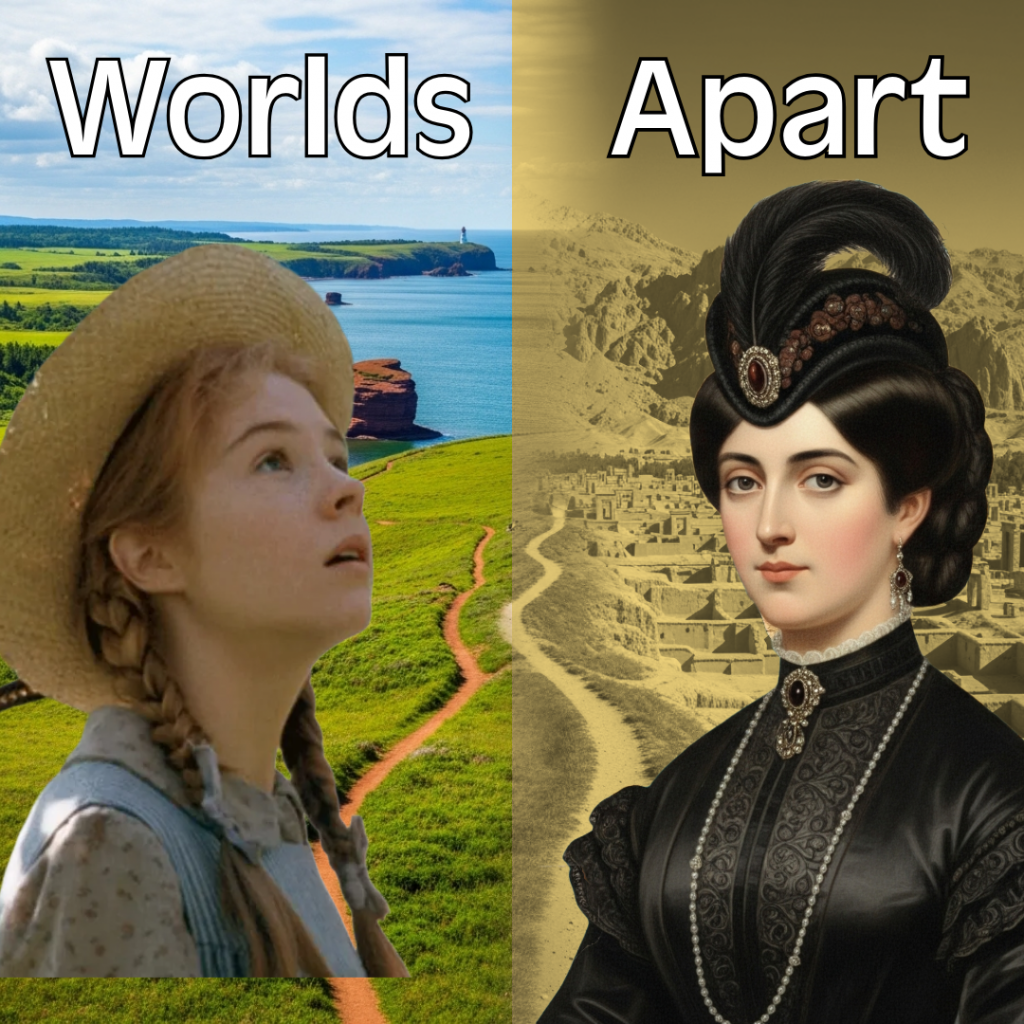
From Prince Edward Island to a World Away: A Story from Lucy Maud Montgomery’s Own Family

When we think of the Montgomery family of Prince Edward Island, one name often comes to mind: Lucy Maud Montgomery, the beloved author of Anne of Green Gables. But what if her family tree holds another story, one just as compelling but nearly forgotten?

This is the story of Annie Montgomery, a woman whose life was profoundly shaped by her heritage. Her roots were firmly planted in the rich soil of Prince Edward Island, a place of deep community and even deeper faith. These foundations gave her the strength to do something truly remarkable—she left her home, and a life of comfort and success, to follow a powerful calling.

I’ve been working on a new video about Annie’s journey, and it’s a powerful reminder of how the values and actions of our ancestors can influence our own paths. While many know of her famous cousin, Annie’s incredible journey has been lost to time. Her story shows that the lives of those who came before us greatly affect our values, our actions, and our desires.

The central question I’ve been exploring while creating this video is: What inspires a person to leave everything they know behind and travel to a foreign land? Annie’s life is a testament to the power of conviction, proving that the story of How We Got Here can definitely determine where we go.

This is a story that needs to be heard, not just on Prince Edward Island, but wherever in the world you find yourself.

Stay tuned for the full video coming later this week!

How Did You Get Here? 5 Compelling Reasons to Discover Your Family’s Story

Have you ever looked at an old family photograph and wondered about the lives of the people staring back at you? Who were they? What were their dreams, their struggles, their triumphs? We often think of history as something that happens to other people—figures in textbooks and characters in documentaries. But the truth is, history is not just a grand, abstract narrative. It’s personal. It’s your story. To truly understand where you’re going in life, you must first understand the story of how you got here.

Here at How We Got Here Genealogy, we believe that every family has a story to tell, and every story is worth exploring. Genealogy is more than just building a tree of names and dates; it’s a journey into the very fabric of who you are. If you’ve been curious about your roots but haven’t known where to begin, here are five powerful reasons to start your family history research today.

1. Discover Your Own Identity

Understanding where you come from provides an unparalleled context for your own life. Learning that your great-grandmother was a resilient immigrant who crossed the Atlantic for a new life, or that your third-great-uncle was a farmer in rural Prince Edward Island, connects you to a chain of survival, courage, and perseverance. Their decisions, big and small, directly led to your existence. Uncovering their occupations, their faith, and their communities helps you understand the cultural, genetic, and social legacy you carry with you every day. It’s the ultimate story of you.

2. Become the Keeper of Your Family’s Stories

In every family, there are stories. There’s the tale of how your grandparents met, the rumour of a long-lost relative, or the legend behind a peculiar family surname. As generations pass, these stories fade. Details get fuzzy, and eventually, they can be lost forever.

When you start your genealogy journey, you become the designated family historian. You are the one gathering the photographs, recording the interviews with elders, and preserving the oral traditions that might otherwise vanish. You ensure that the legacy of those who came before you is not forgotten, creating a priceless gift for future generations.

3. Connect History to Your Own Bloodline

Reading about historical events like World War I, the Great Depression, or the settlement of Atlantic Canada can feel distant. But when you discover your own ancestor’s name on a military attestation paper or find your family on a census record from that era, history suddenly comes alive. It’s no longer just a date in a book; it’s a chapter in your family’s personal saga. This process transforms you from a passive observer of history into an active participant in its legacy.

4. Solve the Greatest Puzzle You’ll Ever Encounter

If you love a good mystery, genealogy is the ultimate detective story. You’ll follow clues through census records, hunt for details in church registers, and piece together fragments of information from old letters and land deeds. You will face challenges—the infamous “brick walls”—where the trail seems to go cold. But the thrill of breaking through that wall and discovering a new branch of your family or solving a long-standing family question is incredibly rewarding. It engages your mind, hones your research skills, and gives you a profound sense of accomplishment.

5. Build Bridges to the Present

This journey isn’t just about the past. Researching your family tree can connect you to the present in surprising ways. Through DNA testing and online communities, you might discover living cousins you never knew you had, sharing a common heritage and forging new family bonds. Understanding your ancestry can also provide valuable insights into your family’s medical history, offering clues that could be relevant to your own health and well-being.

Where Do You Start?

The thought of starting can be overwhelming, but the first step is simple.

  1. Start with yourself and work backwards. Write down everything you know about your parents and grandparents: names, dates, and places.
  2. Talk to your relatives, especially the older ones. Ask them questions, and be ready to listen. Their memories are one of the most valuable resources you have.

Your family’s story is waiting to be uncovered. It’s a story of resilience, love, hardship, and hope. It’s the story of how you got here.


Ready to Start Your Journey?

Feeling inspired? The best place to begin is with a clear plan. Visit my website to sign up for the How We Got Here Newsletter. As a welcome gift, you’ll receive my exclusive free guide: The How We Got Here Guide to Canadian Genealogy Records.

Join a community of fellow explorers and get exclusive tips, resources, and updates sent directly to your inbox.

Click Here to Get Your Free Guide


For more tips and stories, subscribe to the How We Got Here Genealogy YouTube Channel and check out my podcast on Spotify.

What’s the most interesting family story you’ve ever been told? Share it in the comments below!

Remember, every family has a story to tell, and every story is worth exploring. So keep searching for your ancestors and have a great day!

A Rock for the Duke, A Toast for An Ancestor

Join Brian Nash in this episode of “How We Got Here” for a captivating conversation with guest Jamie Baillie, who returns to share the latest chapter in his family’s remarkable history. ]Jamie recounts the story of his ancestors, the Baillies, who were evicted from their home in Sutherland, Scotland, during the Highland Clearances. He details their arduous five-week journey in 1814 aboard a timber ship, the *Perseverance of Aberdeen*, to start a new life in Pictou County, Nova Scotia. This move from tenant farmers to landowners marked a pivotal moment, setting the stage for generations of prosperity and opportunity that their descendants would come to enjoy.

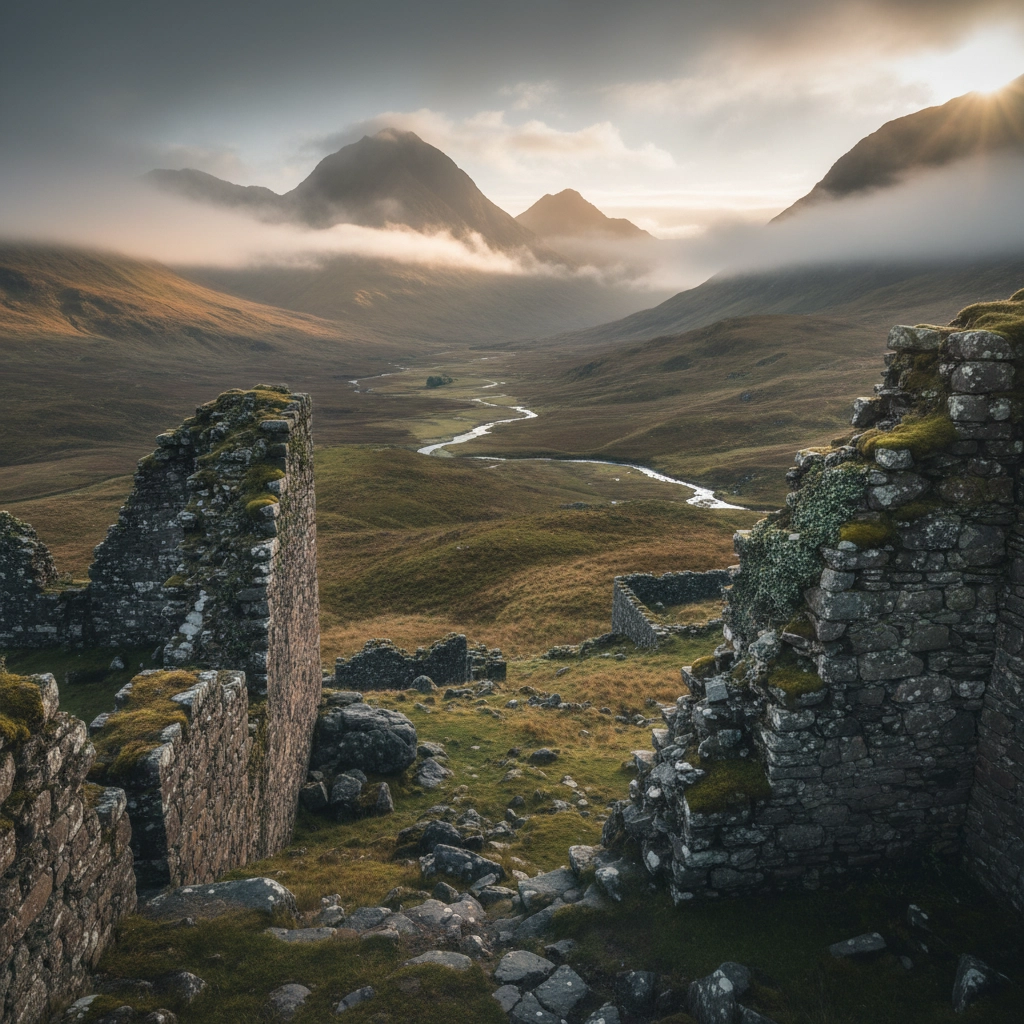
The discussion takes an exciting turn as Jamie recounts his recent pilgrimage to Scotland, a journey to walk in the footsteps of his ancestors. With the help of a local historian, he located the exact site of his family’s former village and the ruins of their home, providing an emotional and overwhelming connection to his past. This personal quest offers a powerful testament to the value of genealogical research, exploring how understanding our origins can provide a profound sense of identity and connection across generations.

Jamie and Brian also delve into the lasting impact of Scottish immigrants on the culture and development of Nova Scotia and Canada as a whole..

Awful, or Awful Kind? The Story of the Middlemore Children

In this episode, Brian sits down with Historian and Author Sara Underwood to discuss a side of Prince Edward Island history that stands in stark contrast to its famous fictional orphan, Anne of Green Gables. Sara’s book, “Awful Kind: The Story of the Middlemore Children and Prince Edward Island,” shines a light on the real, and often tragic, stories of British Home Children. You’ll hear how a conversation with a descendant sparked a deep dive into the archives, leading to the remarkable discovery of thousands of individual case files for children sent from the Middlemore Homes to the Maritimes.

The Man For whom Time Stands Still …

In this episode, Brian sits down with Peter Kelly, the driving force behind The Woodland Escape, a YouTube channel devoted to bringing 18th-century homesteading and living archaeology to life. From hand-forging nails on an open hearth to building birch-bark canoes and authentic blockhouses, Peter and his team have spent the last four and a half years recreating every aspect of early Canadian frontier life on their “Kelly’s Station” site, nestled midway between Toronto and Ottawa.

You’ll hear how Peter’s fascination with period craftsmanship—from tanning leather by brain-tanning it over coals to casting lead musket balls in historic molds—evolved into a community refuge for living historians, complete with education days for local students. We also dive into the personal side of his work: tracing his own family’s journey from 19th-century Ireland to Northern Ontario, the wild tales of logging-camp kitchens and Revolutionary-era Quaker youths sent on horseback to negotiate land deals, and why those rich narratives matter just as much as names and dates on a family tree.

Together we explore what “living history” can teach us about our ancestors’ values of community, self-reliance, and storytelling—and how unearthing those stories can deepen our own appreciation for where we came from. Whether you’re a seasoned genealogist or just beginning to wonder about your roots, Peter’s experiences remind us that the memories we preserve today will become tomorrow’s family legends.