How We Got Here Genealogy
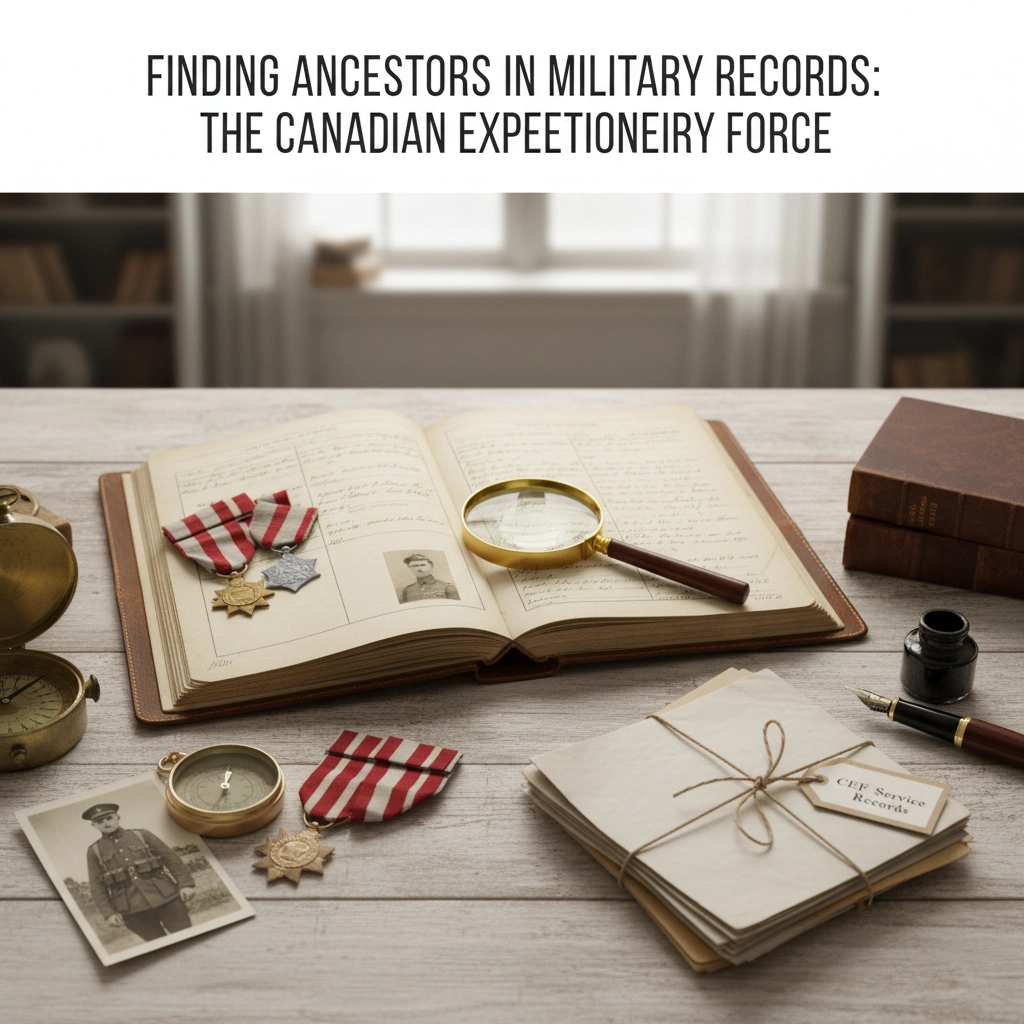
Finding Ancestors in Military Records: The Canadian Expeditionary Force


Ever wish you could peek into your ancestor’s military life: see their bravery, challenges, and even a few secrets they never managed to put into words? If you have Canadian roots and think an ancestor may have served in the First World War, the Canadian Expeditionary Force (CEF) records are truly a goldmine waiting to be discovered. On this Tip Tuesday, let’s walk through some hands-on, step-by-step advice for unlocking these fascinating documents!


What Was the Canadian Expeditionary Force: and Why Should I Care?

Picture it: 1914 to 1918, a time when ordinary Canadians packed their bags and set sail to the unknown battlefields of Europe. Over 600,000 Canadian men and women signed up, becoming part of the CEF. This wasn’t just about fighting a war: these volunteers, nurses, and chaplains wrote living history. Their stories, hardships, and achievements are captured, often in remarkable detail, across hundreds of thousands of official records.

Why does this matter for family history?

  • If you have ancestors active in Canada in the early 1900s, there’s a good chance one of them (or one of their siblings/cousins) suited up with the CEF.
  • These records can reveal details you can’t get anywhere else: like exact birthplaces, next of kin, physical descriptions, and sometimes even health quirks!

What Can You Actually Find in CEF Service Files?

Think of CEF files like a treasure chest. Some are overflowing; others are more modest: but nearly every one contains valuable clues.

Some gems you’ll discover include:

  • Attestation Papers (Enlistment Forms): Name, birth date and place, home address, marital status, and next of kin: it’s all there. Officers even had their own special declaration papers.
  • Physical Descriptions: Get to “meet” your ancestor: how tall were they? What colour eyes? Did they have unique scars or birthmarks?
  • Service Timeline: Movements between units, days in and out of hospital, major injuries or illnesses, promotions, and any disciplinary notes.
  • Financial & Medals Records: Insight into pay, medals or honours awarded, and sometimes even homecoming or widow benefits.
  • Health Documents: Detailed medical and dental records; not just dry numbers, but the lived reality of a soldier’s experience.

Attestation paper snippet: see how many clues you can spot!

Bonus: Some records contain handwritten letters, unusual stories, or telling notes from officers and doctors.


Where to Find CEF Records (No Secret Decoder Ring Needed!)

Forget about dusty mountains of folders: you only need an internet connection and a bit of curiosity. The Canadian government has made these records digitized and free to view!

Your Secret Weapon: Library and Archives Canada

Here’s how to access the jackpot:

  1. Go to the Personnel Records of the First World War:
    Library and Archives Canada CEF Database
  2. Enter Your Ancestor’s Details:
    Start simple: surname, given name. If it’s a common name (think John MacDonald!), add more (regiment, birthdate, or hometown) to narrow things down.
  3. Open the Digitized File:
    Most files are already scanned. Click through and browse the file page-by-page from your favourite armchair.

Brian’s Pro Tip:
Can’t find someone? Try alternate spelling, initials, or using just a first or middle name. Census records or family Bibles can help fill in the blanks you need!


What’s Missing From These Records? (No Skeletons, but…)

Let’s get real: family historians love surprises, but sometimes they want every answer. While CEF files are packed, here’s what you’ll not find inside:

  • Detailed battle accounts: The file won’t say “your ancestor stormed Vimy Ridge at dawn.” For unit movements and stories, you’ll want to check out War Diaries: daily logs kept by each unit that can paint a vivid picture of what was happening all around your ancestor.
  • Photographs: Sadly, the CEF didn’t snap ID pics. Any photos you find likely came from family albums or local newspapers.
  • All post-war letters: Many pension and correspondence files were destroyed after WWII. If you’re chasing a military pension trail, be ready for gaps.

How to Read and Decode CEF Files: Your Beginner-Friendly Strategy

Cracking your ancestor’s file sometimes feels like translating a secret language. Try this approach to get the most out of every page:

1. Start with the Attestation Paper

  • This is your “front door.”
    Name, address, NOK (next of kin), birth details, employer, and sometimes religion: great for cross-checking with census or parish records.

2. Map the Timeline

  • Scan for enlistment date, transfers between units, promotions, overseas service, hospital stays, and final discharge or death info.
  • Use a sheet of paper or a spreadsheet: dates, places, and regiments in order.

3. Note All Names

  • Family historians know the value of unexpected relatives!
    Next of kin could mean parents, spouses, or siblings: sometimes even a cousin you never knew existed.

4. Look for Medals and Pension Info

  • Even if your ancestor wasn’t a “war hero,” medals and post-war benefits can tell more about post-service life. Sometimes a mention will lead you to new record sets.

5. Copy and Save Everything

  • These records are public domain: save copies, highlight, and make notes.
    Consider sharing interesting findings with our community! (Join the Family Circle!)

Where Else to Look? Alternative and Supplementary Resources

Stuck or want to confirm a hunch? Don’t stop at military records alone. Layer your search for a fuller family story:

  • Civil Registration (Vital Records): Birth, marriage, and death certs often mention military service or regimental details: especially helpful for narrowing your searches.
  • Census Returns (Pre-WWI): 1871, 1881, 1891… these can reveal occupation, household, and hints of pre-war life.
  • Church & Parish Records: Baptisms, marriages, and burials sometimes have notations like “Private, CEF” or “Returned soldier.”
  • Newspapers and Community Histories: Local papers may have lists of volunteers, “casualty” lists, or homecoming summaries.
  • War Diaries:
    When a file mentions a unit, track down that unit’s War Diary through Library and Archives Canada for day-by-day, boots-on-the-ground stories.

image_1


Brian’s Quick-Start CEF Genealogy Checklist

Ready to get your hands dirty? Follow these friendly steps:

  • Write down every detail you know. (Start with Grandpa Joe: but don’t forget possible spelling quirks!)
  • Search the Library and Archives Canada CEF database.
  • Explore the digitized service file carefully. Take notes and screenshots.
  • Cross-reference with other records: census, church, newspapers.
  • If you reach a dead end, hop into our Family Circle and ask for advice: genealogy loves teamwork!
  • Keep a log: dates searched, spellings tried, details found: so you won’t double back.

Real-Life Example: Piecing Together Private Arthur’s Story

Let’s say you’re looking for Arthur McLeod, born in PEI, about 1895. Here’s what your research journey might look like:

  • Enter “Arthur McLeod” and “PEI” into the CEF database.
  • Find a match: Service number 12345, enlisted 1915, next of kin “Mary McLeod (mother), Prince Edward Island.”
  • Open the scanned file: See his enlistment, physical description (5'10", brown eyes), and note his Presbyterian faith.
  • Hospital notes reveal treatment for trench foot, then a transfer to a convalescent unit in England.
  • After the war, see that he returned home, with a record of his war medals.
  • Cross-check with local Island newspaper and find a brief mention of his return in 1919.

Each step connects the pieces: now “Private Arthur” is much more than a name!

image_2


Why Bother? Because Every Service File Tells a Story

Remember, genealogical research is like rolling out a family map: every document you find colors in the landscape your ancestors walked. These service files bring to life not only military milestones but also daily routines, successes and struggles, and: most importantly: the human stories you inherit.

Feeling overwhelmed or excited? Both are normal! And if you hit a snag, remember: you’re not alone. Join us on How We Got Here Genealogy for support, guides, and the wisdom of other searchers.

Uncovering your family history isn’t just about dates: it’s about understanding the courage, choices, and changes that made you, you.


Written by Brian Nash, Junior Content Creator at HowWeGotHere Genealogy.
The Lies You’ve Been Told About Your Settler Ancestors

Were your ancestors elite settlers, or were they displaced survivors? The history we are taught often skips over the brutal reality of cultural erasure, forced migrations, and the Clearances that sent our Scottish and Irish ancestors fleeing to Atlantic Canada.

In this episode, I sit down with independent genealogical researcher Zita White to dismantle the myths surrounding our Celtic roots. We dive into the massive educational gap regarding the displacement of early settlers, why Ancestry hints might be leading you down the wrong path, and what your DNA results actually mean for your family tree.

What we cover in this episode:

The Ancestry Trap: Why platform hints are not facts and how to audit your family tree.

Hidden Identities: Why your ancestors may have hidden their Irish roots for equal opportunity.

The Reality of the Clearances: Arriving as refugees rather than colonizers.

Decoding DNA: Understanding migration patterns vs. the myth of royal succession.

Connect with Zita White:

The People’s Chronicle-Annapolis Valley: [https://www.facebook.com/share/1DX3Y9ukAo/?mibextid=wwXIfr](https://www.facebook.com/share/1DX3Y9ukAo/?mibextid=wwXIfr)

House of Lore Photography (Facebook): [https://www.facebook.com/share/1CbfLpZKxn/?mibextid=wwXIfr](https://www.facebook.com/share/1CbfLpZKxn/?mibextid=wwXIfr)

House of Lore Photography (TikTok): @houseoflorephotography

Books by Zita (Unrelated to Genealogy):

Discover Yourself: [https://a.co/d/09aN4Dm0](https://a.co/d/09aN4Dm0)

Get Your Shit together: [https://a.co/d/01IA8vIs](https://a.co/d/01IA8vIs)

28 Days of Self-Reflection: [https://a.co/d/0akS0HMh](https://a.co/d/0akS0HMh)

Beyond Deceit: The Astonishing Truth of a Forbidden Family Legacy
https://open.spotify.com/episode/4b3IBudkToxxhxuYV3Tqwx?si=KfQK5Ot1SkWBi0m_62DqkA

Season 5 Episode 4 – Black Sheep and Silver Foxes:The Dark Side of PEI’s Famous Industry

Genealogist Brian Nash sits down with Laurie Langford to unravel a jaw-dropping family secret hidden within the history of Prince Edward Island. When Laurie began researching her great-grandfather, Benjamin Isaac Rayner, she expected to find standard genealogical records. Instead, she uncovered the scandalous life of a wealthy pioneer in PEI’s highly lucrative silver fox industry.From cornering the market with the secretive “Big Six Combine” to leaving a trail of faked bankruptcies and Supreme Court battles, Rayner’s life was anything but ordinary. Laurie shares the unvarnished truth about her ancestor, detailing the first divorce on the Island dissolved by an Act of Parliament, a devastating 1931 car accident that created lasting Canadian case law, and the story of how he won Nantucket real estate in a high-stakes poker game.It’s a fascinating exploration of wealth, historic Canadian scandals, and the reality that the “black sheep” of the family often leaves behind the most compelling paper trail.In this episode, we cover:The Big Six Combine: How six men kept their silver fox breeding methods—and millions of dollars—a closely guarded secret.Making Case Law: The dramatic legal fallout of a 1931 car crash and Rayner’s desperate attempts to hide his wealth to avoid paying damages.A Scandalous Separation: The intense legal hurdles behind getting a divorce on Prince Edward Island in the early 20th century.The Good vs. Evil of the Fox Boom: A look at a fascinating 1933 newspaper article that perfectly captured the duality of the industry’s pioneers.Resources Mentioned:A Magnificent Gift Declined by CusackThe International Fox Museum (Summerside, PEI)The Rainer Handbook (Laurie’s academic project on her family’s history)Connect with the Show:Website: howwegothere.caBook a Free 30-Minute Consultation: bookings.howwegothere.caListen on Spotify: How We Got Here PodcastWatch on YouTube: @HowWeGotHere

How to Reclaim the Heart of My Family’s Forgotten Dash

Have you ever stood in a cemetery, looked down at a headstone, and really thought about what you’re seeing?

There’s a name. A birth date. A death date. And between those two numbers? A small, unassuming line. A dash.

That little dash represents everything. Every laugh, every struggle, every Sunday dinner, every argument, every quiet moment of joy. It’s the whole life compressed into a tiny horizontal mark. And as genealogists and family historians, that dash is precisely what we’re chasing: yet sometimes we get so caught up in the dates that we forget about the life in between.

I’ve been thinking about this a lot lately. More than usual, actually.

A Wake-Up Call (Literally)

On January 5th, I had a heart attack.

I’m not going to dwell on the medical details here: I’ve shared more in a couple of YouTube videos for those who want the full story. But the short version is this: heart attack, hospital, recovery, and then a complication called pericarditis that reminded me healing isn’t a straight line.

Lying in a hospital bed gives you a particular kind of clarity. When your own mortality stops being an abstract concept and becomes very, very real, you start thinking differently about time. About legacy. About all those stories you meant to record “someday.”

Man reflecting on family legacy and preserving stories during hospital recovery

Here’s the thing that hit me hardest: I spend my professional life helping people uncover and preserve family stories. I research ancestors, track down records, and piece together the narratives of people who lived decades or centuries ago. But in that hospital bed, I realised something uncomfortable.

I am not just a researcher of history. I am a subject of it.

And so are you.

The Dash Is the Story

The concept of “the dash” comes from a poem by Linda Ellis, and it’s become something of a touchstone for me during this recovery. The poem asks us to consider: when people look back at our lives, will they focus on the dates: or will they remember how we lived the time in between?

For family history research, this idea is transformative.

Think about your own research for a moment. How many hours have you spent hunting for birth certificates, marriage records, and death dates? Those documents are essential: don’t get me wrong. They’re the scaffolding we build our family trees on. But they’re not the story.

The story is your great-grandmother’s stubbornness that got passed down through four generations. It’s the reason your grandfather always hummed the same tune while washing dishes. It’s the family recipe that nobody actually follows correctly anymore but everyone swears is “exactly how Nan made it.”

The dates tell us when someone existed. The dash tells us how they lived.

And here’s where it gets personal: one day, you will be the ancestor someone is researching. Your dash is being written right now, today, in the choices you make and the stories you tell (or don’t tell).

We Are the Living Records

How We Got Here Genealogy Services logo The image features the How We Got Here Genealogy Services logo, displaying a stylized tree symbolizing family roots and history, with the business name and tagline 'Because Every Family Has A Story' underneath, on a dark green background.

This is the part that my health scare really drove home. As genealogists and family historians, we often position ourselves as observers: people who look backwards, sifting through records and piecing together puzzles. But we’re not outside of history. We’re swimming in it.

The stories you remember from your parents and grandparents? You might be the only person alive who still knows them. That makes you a living archive. And archives need to be documented before they’re lost.

I’ve been doing this work professionally  through How We Got Here Genealogy Services, and I’ve seen what happens when families wait too long. The “I’ll record Grandma’s stories next summer” that becomes “I wish I’d recorded Grandma’s stories.” The photographs with no names on the back because “everyone knows who that is”: until everyone who knew passes away.

Recovery from a heart attack involves a lot of sitting around. A lot of time to think. And what I kept coming back to was this: the questions we don’t ask today become the mysteries our descendants can’t solve tomorrow.

What This Means for Your Family History Research

So, what do we do with this perspective? How does “the dash” actually change how we approach legacy projects and genealogy?

Here are the practical takeaways I’ve been mulling over:

1. Capture Stories Now, Not Later

Stop waiting for the “perfect time” to sit down with your relatives and record their memories. The perfect time doesn’t exist. Pull out your phone, hit record, and ask a question. Even five minutes of someone talking about their childhood is five minutes of irreplaceable family history.

2. Document Yourself, Too

This one feels awkward, I know. We’re taught not to be self-centred. But your future descendants will want to know about you. Write down your memories. Record yourself telling family stories. Keep a journal. You are part of the historical record: act like it.

3. Ask the Hard Questions While You Can

Don’t avoid the complicated family stories because they’re uncomfortable. Those are often the most important ones. The feuds, the secrets, the “we don’t talk about that” topics: they shaped your family just as much as the happier tales.

4. Think Small and Doable

One thing I’ve learned during recovery is that life doesn’t happen in big, dramatic leaps. It’s small steps. The same is true for legacy projects. You don’t need to write a 300-page family history book next week. Start with one story. One photograph identified. One conversation recorded.

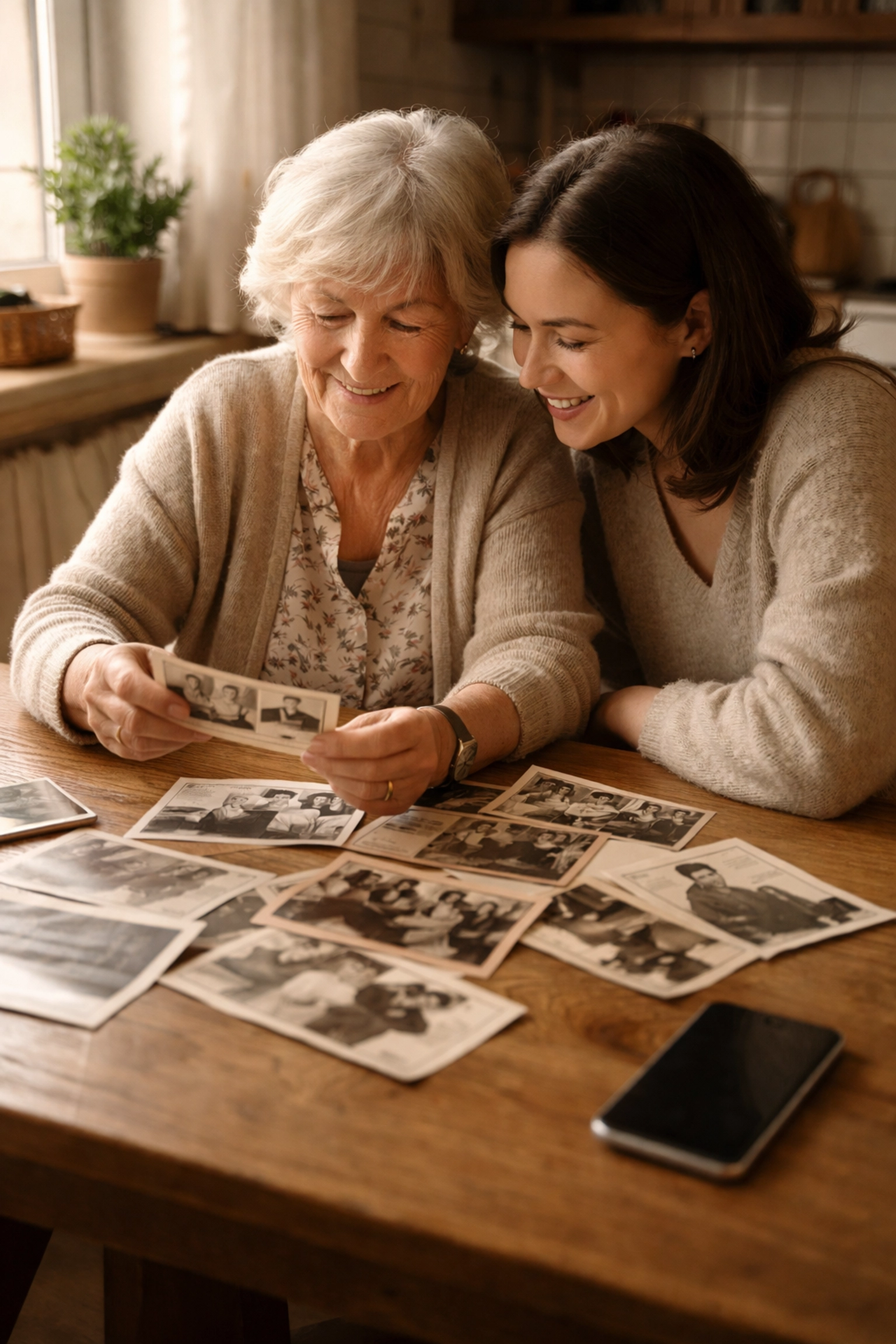
Two generations preserving family history by reviewing old photographs together

5. Share What You’ve Found

Family history research isn’t meant to live in a filing cabinet. Share your discoveries with the people who will care about them. Create a simple family tree poster. Put together a photo album with captions. Write up a one-page summary of what you’ve learned about your great-grandparents. These small acts of sharing multiply the value of your research.

Watch the Full Story

I’ve shared more about this journey: the heart attack, the recovery, and the “dash” philosophy: in two YouTube videos. If you’d like to hear me talk through this in more detail (and see that I’m still kicking), here they are:

The sequel video especially touches on something important: recovery isn’t linear. Neither is family history research, honestly. We hit brick walls. We get discouraged. We take breaks. And then we come back and keep going, because the stories matter.

Your Dash Is Being Written Right Now

Here’s my challenge to you, whether you’re deep into your family history research or just getting started:

Stop thinking of yourself as only a researcher. You are also the research.

The stories you carry, the memories you hold, the experiences you’re living through right now: all of that is the content of your dash. And the work you do to uncover your ancestors’ dashes is how you honour theirs.

I’m not going to pretend that a health scare gave me some magical enlightenment. Mostly, it gave me a lot of time to think and a renewed appreciation for pacing myself. But it also clarified something I already knew intellectually but hadn’t fully felt:

Every family has a story. And the people best positioned to capture those stories are the ones living them right now.

That’s you. That’s me. That’s all of us, filling in our dashes one day at a time.

So don’t wait. Pick up the phone and call that relative. Pull out the old photo albums and start labelling. Record a voice memo about your own childhood. The dash between your dates is being written whether you document it or not: but your descendants will be grateful if you do.


This post was written by Brian Nash, Chief Genealogist and Owner of How We Got Here Genealogy Services. For more tips on preserving your family’s legacy, visit our blog or explore resources like our guide on using AI as a tool in genealogy research.

This blog post was written with the assistance of AI technology and reviewed and edited by a human for accuracy and tone.

How to Instantly Reclaim Your Canadian Citizenship via Bill C-3

If you’ve been told “sorry, the line stops with you,” this is the update you need to see.

Bill C-3 is the major shift many families have been waiting for. For years, the first-generation limit blocked countless people from claiming or passing on Canadian citizenship, even when their family connection was clear as day. Now the rules have changed, and that old brick wall may no longer apply to you.

That means this is no longer just an interesting family history detail. It could be your opening to reclaim Canadian citizenship and move forward with proof, paperwork, and a real plan.

What Bill C-3 Changes Right Now

Here’s the short version: Bill C-3 removes the old first-generation limit that cut off citizenship by descent for many families born abroad.

In plain English, that means people who were previously shut out may now have a path forward.

This is especially important if:

  • your parent or grandparent was Canadian
  • you were born outside Canada and were told you did not qualify
  • your own children were blocked because citizenship could not pass beyond the first generation born abroad
  • you’ve delayed applying because the rules seemed stacked against you

For many families, this is the difference between “not eligible” and “it’s time to take another look”.

Vintage map of Canada with a magnifying glass for genealogy research on Lost Canadian heritage. A vintage-style map of Canada with a magnifying glass over it, symbolising the search for lost heritage.

The Fastest Way to Check If You May Qualify

Let’s keep this simple. If you want to move quickly, start here.

Step 1: Identify your Canadian connection

Ask yourself:

  • Was your parent born in Canada?
  • Was your grandparent born in Canada?
  • Did a parent become a Canadian citizen before you were born?
  • Were you or your children previously denied because of the first-generation limit?

If you answered yes to any of these, you may have a strong reason to investigate further.

Step 2: Build a basic document list

Before you do anything else, gather the records that connect you to your Canadian line. Start with:

  • your own birth certificate
  • your parent’s birth certificate
  • your grandparent’s birth, marriage, or death records
  • any citizenship certificates, passports, or immigration records already in the family
  • legal name-change documents, if applicable

Don’t panic if your file is messy. Most family history files are. The goal is to create a starting point, not a perfect archive on day one.

Step 3: Watch for the old blocker

If the reason you stopped before was the first-generation limit, that is exactly why Bill C-3 matters.

A lot of people gave up because they were told the line ended there. That advice may now be outdated. What looked like a dead end could now be your reopening.

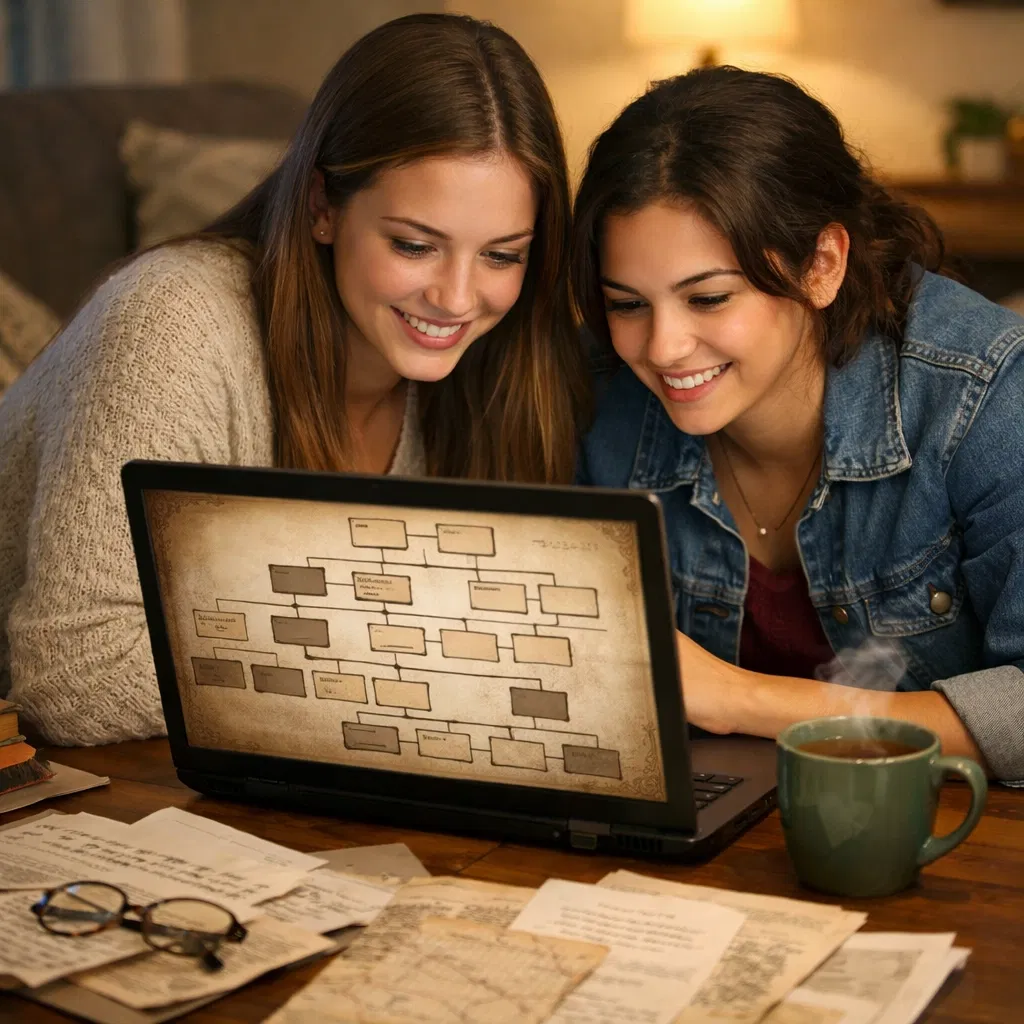
Two women reviewing a family tree chart to prove lineage for Canadian citizenship applications. Two women reviewing a family tree, representing the collaboration between generations to prove lineage.

The Key Requirement You Still Need to Understand

Bill C-3 is a big win, but here’s the crucial detail: the 1,095-day rule depends on when the child was born abroad.

The effective date cutoff: 15 December 2025

This date matters a lot.

  • If you were born abroad before 15 December 2025, you are generally exempt from the 1,095-day rule, and your citizenship is typically restored automatically under the new rules.
  • If you were born abroad on or after 15 December 2025, the Canadian parent must meet the substantial connection test in order to pass on citizenship beyond the first generation born abroad.

That’s the big dividing line. For many families, this is the difference between an automatic restoration and a proof-heavy application.

What “substantial connection” actually means

In practical terms, “substantial connection” means the Canadian parent must show at least 1,095 days of cumulative physical presence in Canada before the child’s birth or adoption.

That time:

  • does not need to be consecutive
  • can be added up across different periods of the parent’s life
  • must be backed up with real evidence

So this is not about guessing or relying on family lore. It’s about building a paper trail that proves time spent in Canada.

What evidence may be needed

To prove that substantial connection, families often need records such as:

  • tax filings
  • school transcripts
  • CBSA travel history
  • provincial records
  • employment records
  • leases or property records
  • health coverage records
  • other documents showing physical presence in Canada over time

If your case falls after the cutoff date, this evidence can make or break the claim.

If you’re missing pieces, don’t assume you’re stuck. This is exactly where good genealogy research becomes your secret weapon.

What You Can Do Today to Start the Process

If you want momentum, here are the immediate actions to take:

  • Write down your line of descent from you back to the Canadian-born ancestor
  • Collect every family document already in your house before ordering anything new
  • Make a list of missing records so you know what has to be found
  • Note any previous refusals or eligibility concerns tied to the first-generation limit
  • Book expert help early if your case involves gaps, name changes, border births, adoption, or multiple countries

The biggest mistake people make is waiting until they feel “ready”. Ready comes from action. Start with the paper trail you have.

How We Help You Move Faster

At How We Got Here Genealogy Services, we help you turn a vague family story into usable evidence.

That means we can help you:

  • trace the right family line
  • locate hard-to-find records
  • organise documents into a clearer proof package
  • identify weak spots before they slow you down
  • research and gather evidence to prove a substantial connection to Canada
  • build a stronger case when your eligibility depends on historical records

Whether you’re dealing with an unregistered birth, a missing marriage record, residency questions, or an ancestor whose paper trail zigzags across borders, we work with you to make the process clearer and less overwhelming.

If you need to show 1,095 cumulative days in Canada, we can help track down the records that support that claim, including tax filings, school transcripts, CBSA travel history, and provincial records. When the rules get technical, solid research is what keeps your application moving.

Professional genealogy workspace with a digital family tree and archival files for citizenship proof. A professional genealogist working at a desk filled with archival files and a digital family tree.

Don’t Just Wonder If You Qualify. Find Out.

This is the moment to stop guessing.

If Bill C-3 removes the barrier that blocked your family before, the smartest move is to check your eligibility now, gather your evidence, and start building your case properly.

Ready to find out if Bill C-3 opens the door for you?

Book your free consultation and let’s look at your family line together:

Click here to see if you qualify and book your free consultation!

If you want to strengthen your research skills at the same time, explore our practical courses and learn how to document your family history like a pro.

Let’s get to work. Because every family has a story… and sometimes the next record you find changes everything.

Friendly genealogist inviting readers to book a citizenship consultation for Bill C-3 assistance. A friendly bearded man pointing toward a call to action for genealogy services.


Uncovering your family history is a journey, not a sprint. Every record and every story brings you closer to the truth of how you got here.

Brian Nash
Chief Genealogist and Owner, How We Got Here Genealogy Services


For more information on Canadian history and research tools, check out our Post Archive or explore our courses to learn how to research like a pro.

Your Quick-Start Guide to Nova Scotia’s New 1925 Birth Records: Do This First

For those of us who live and breathe family history, there is a specific kind of magic that happens when a new year’s worth of records finally steps out from behind the curtain of privacy laws. It’s like a long-lost relative finally deciding to tell their story after a century of silence.

As we navigate through 2026, the spotlight has officially shifted to the year 1925. In the world of Nova Scotia genealogy, this is a milestone year. Whether you are searching for an Acadian ancestor in Pubnico, a coal miner in Cape Breton, or a merchant in the heart of Halifax, the release of the 1925 birth records is the key to unlocking the next chapter of your family’s narrative.

But before you dive headfirst into the digital archives, there’s a strategy you need to adopt. Think of this as a "genealogical detox": clearing away the clutter of old assumptions and preparing your research palate for the rich, detailed data that 1925 has to offer. At How We Got Here Genealogy Services, we believe that every family has a story, and these records are the ink.

The Philosophy of the Hundred-Year Wait

In Nova Scotia, birth records are restricted for 100 years to protect the privacy of individuals. It’s a long wait, often feeling like you’re wandering through a maze blindfolded, hoping to stumble upon a breakthrough. But there is a certain beauty in this "slow history." By the time these records reach us, they aren’t just data points; they are historical artefacts.

The year 1925 was a time of transition. The "Roaring Twenties" were in full swing, yet the echoes of the Great War still lingered in many households. Understanding the cultural and social "colour" of Nova Scotia in 1925 allows you to see these birth records not just as names on a page, but as new lives entering a world of rapid change, industrial labour, and shifting community boundaries.

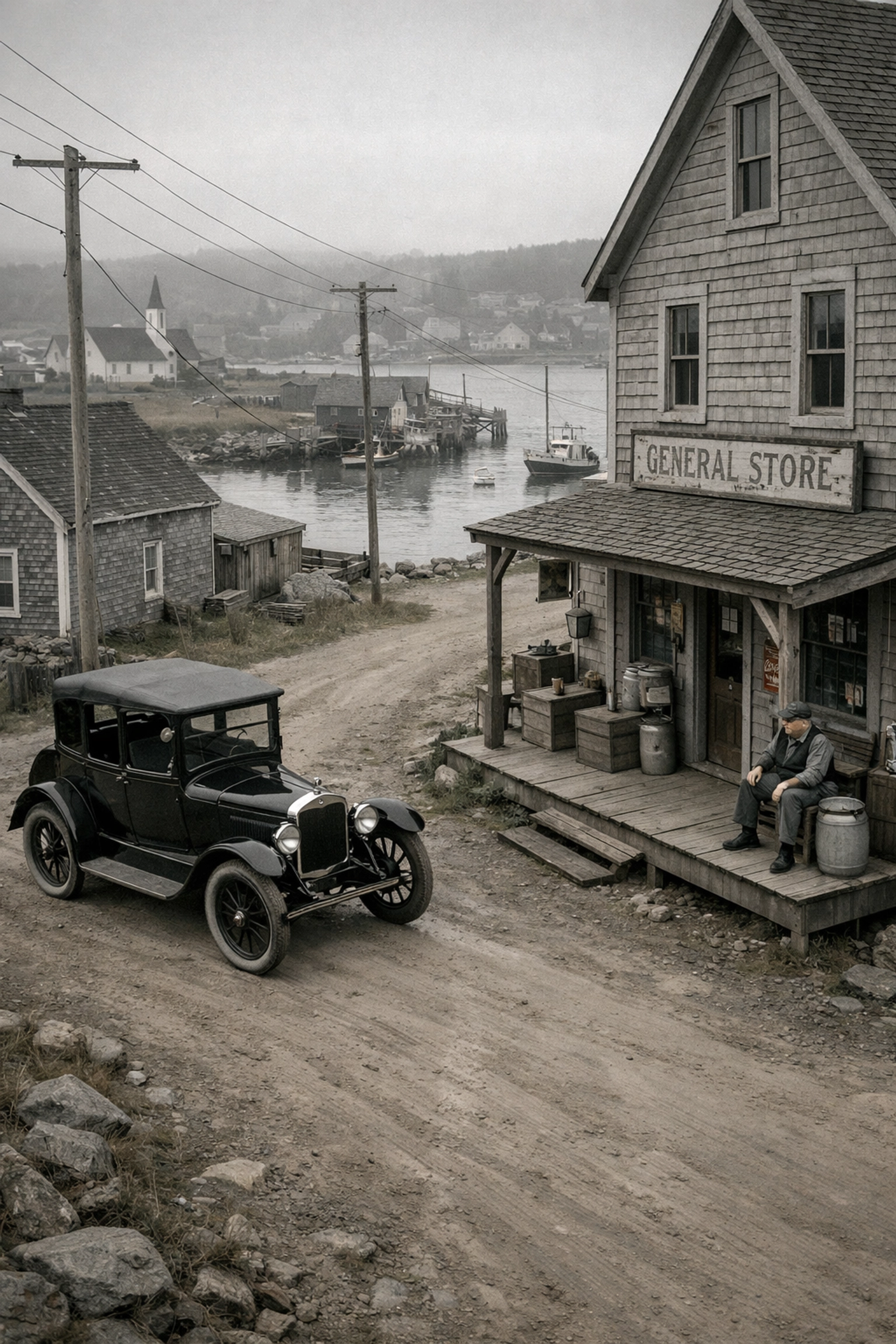
1920s Nova Scotia street scene depicting the era of the newly released 1925 birth records.
(Caption: A vintage scene of Nova Scotia in the mid-1920s, reflecting the era of these newly released records.)

The "Do This First" Strategy: Location, Location, Location

The biggest mistake researchers make when a new year of records drops is assuming everything is in one place. If you’ve spent any time on the Nova Scotia Archives website, you know it is a treasure trove. However, the transition of records from Vital Statistics (Service Nova Scotia) to the Nova Scotia Archives is a process, not an instant flip of a switch.

Step 1: Check the Repository Status
As of now, the records for 1864–1877 and 1908–1924 are firmly housed and searchable at the Archives. For 1925, we are in the "sweet spot." While the 100-year privacy period has technically lapsed, you must first verify if the digital images have been uploaded to the public-facing portals or if you still need to request a search through Vital Statistics.

Step 2: Mind the "Delayed Registration" Trap
Don't underestimate the number of people born in 1925 who didn't have their births officially recorded until years: or even decades: later. Many Nova Scotians only registered their births when they needed a passport or a pension much later in life. If you don't find your ancestor in the 1925 primary ledger, your next move must be searching the "Delayed Registrations" section. This is a pro’s guide secret: the best stories are often found in the corrections!

The Actionable "Quick-Start" Checklist

If you're feeling lost in the labyrinth of genealogy, follow these steps to ensure your 1925 search is efficient and successful.

  1. Audit Your Existing Tree: Before searching the new records, look at your 1924 data. Who was pregnant? Who was married in 1923 or 1924? Establish your "targets" first so you aren't searching aimlessly.
  2. Search Phonetically: Nova Scotia names, especially Acadian or Gaelic names, were often butchered by English-speaking clerks. Use Soundex or wildcards (like Sm*th for Smith/Smyth) to catch those variations.
  3. Cross-Reference with the 1931 Census: We are fortunate that the 1931 Census of Canada is available. Use it to verify the household structure. If a child appears as a 6-year-old in the 1931 Census, you have a 99% certainty they will appear in the 1925 birth records.
  4. Look for the Midwife or Physician: In 1925, many births still happened at home. Pay attention to who signed the record. Often, the same doctor or midwife attended every birth in a small village, providing clues to community connections you might have missed.

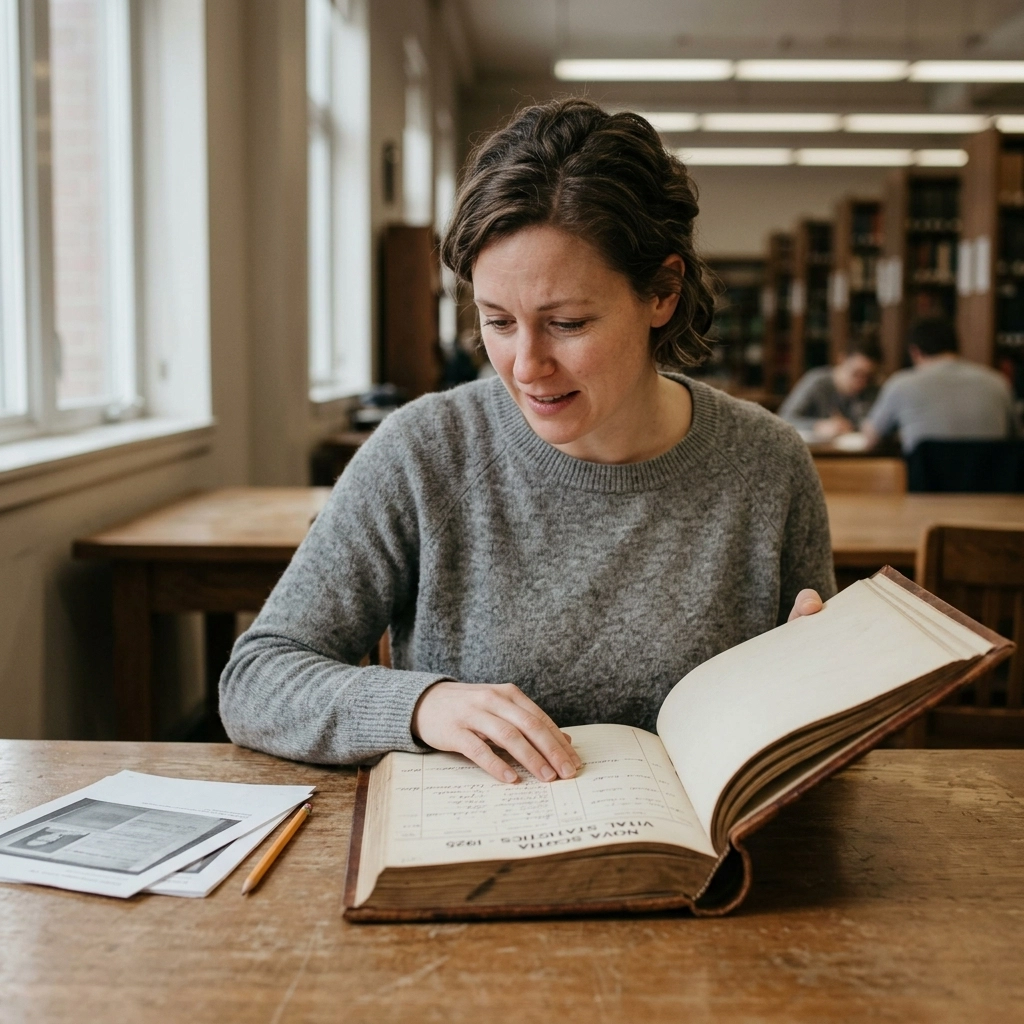
Genealogy researcher examining archival documents on a modern desk to find family history.
(Caption: The How We Got Here Genealogy Services logo, representing our commitment to uncovering your family's unique journey.)

Why 1925 is a "Secret Weapon" for Your Research

Hitting a wall is inevitable in genealogy, but it doesn’t mean defeat. The 1925 records are particularly valuable because they provide more than just a birth date. By the mid-20s, Nova Scotia’s record-keeping had become much more sophisticated than the sporadic records of the 1800s.

In a 1925 birth record, you are likely to find:

  • The exact birthplace (often a specific house or street address in towns like New Glasgow or Sydney).
  • The father’s occupation (was he a mariner, a farmer, or working the new "motor cars"?).
  • The mother’s maiden name: the holy grail for breaking through maternal brick walls.
  • The number of children previously born to that mother (helping you identify siblings you never knew existed).

This level of detail is insightful and educational. It transforms a name into a person who lived in a specific community with specific challenges.

Overcoming the Common Frustrations

I often hear from clients at How We Got Here Genealogy Services who say, "I searched 1925 and found nothing!" Don't panic. Persistence is key.

If the record isn't there, consider the "Border Effect." Many families in the Annapolis Valley or the South Shore had strong ties to "The Boston States." Is it possible the birth occurred in Massachusetts while the family was working there for the season? Or perhaps across the border in New Brunswick?

Also, keep a meticulous log of your searches. In the excitement of a new record release, it’s easy to repeat the same search five times and forget to try the most obvious spelling variation.

A Journey, Not a Sprint

Uncovering your family history is a journey, not a sprint. Every record and every story brings you closer to understanding the fabric of your own identity. The release of the 1925 records is just one piece of the puzzle, but it’s a vibrant, essential piece that bridges the gap between the "old world" and the modern era.

At How We Got Here Genealogy Services, we are dedicated to helping you navigate these waters. Whether you’re an Acadian descendant tracing your roots back to the deportation or a more recent arrival curious about your grandparents’ start in the Maritimes, we are here to provide professional, educational, and personal insight.

Don’t miss out on this opportunity! The 1925 records are waiting to be explored. If you find yourself stuck or overwhelmed by the sheer volume of data, reach out to us. We love solving a good mystery.

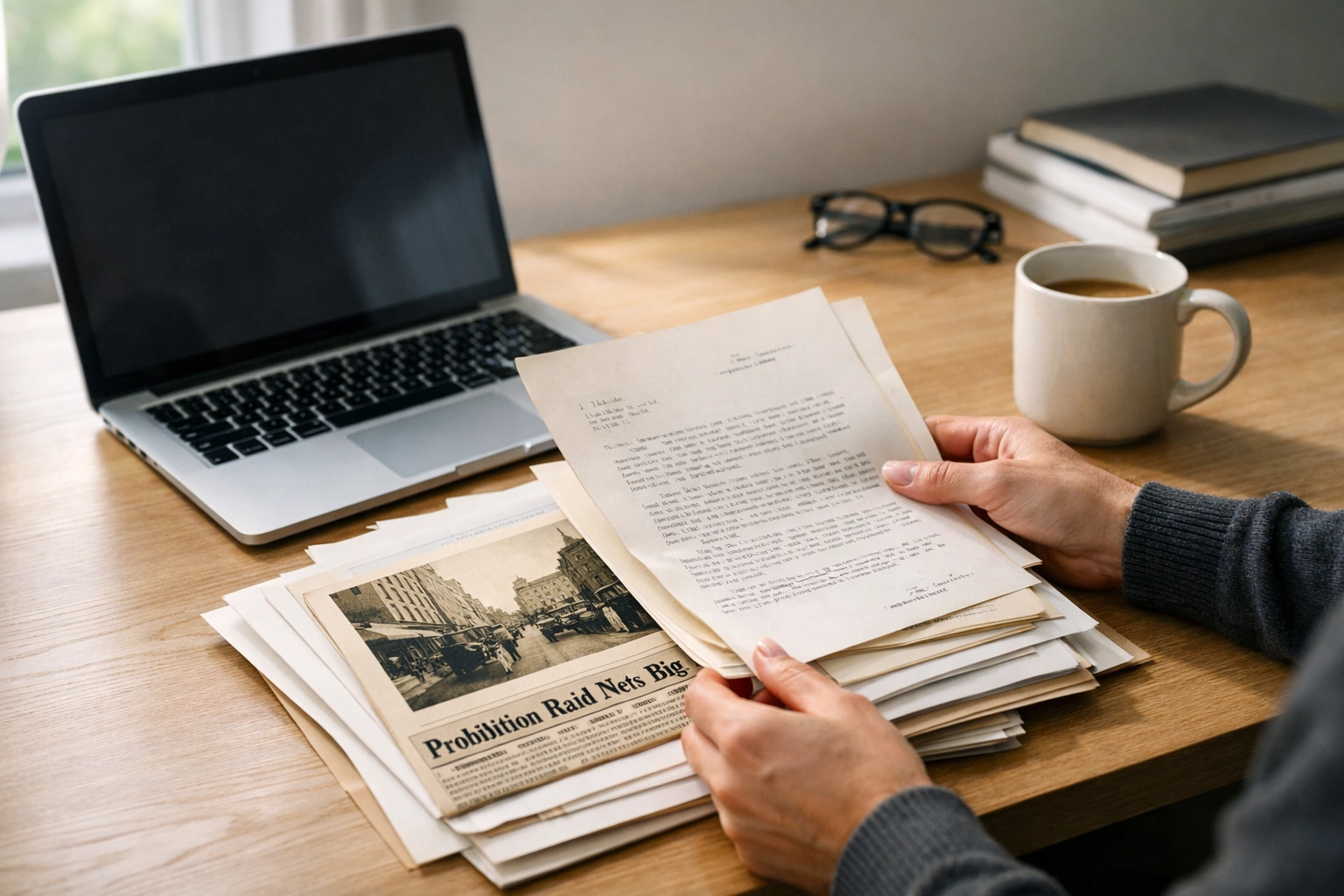
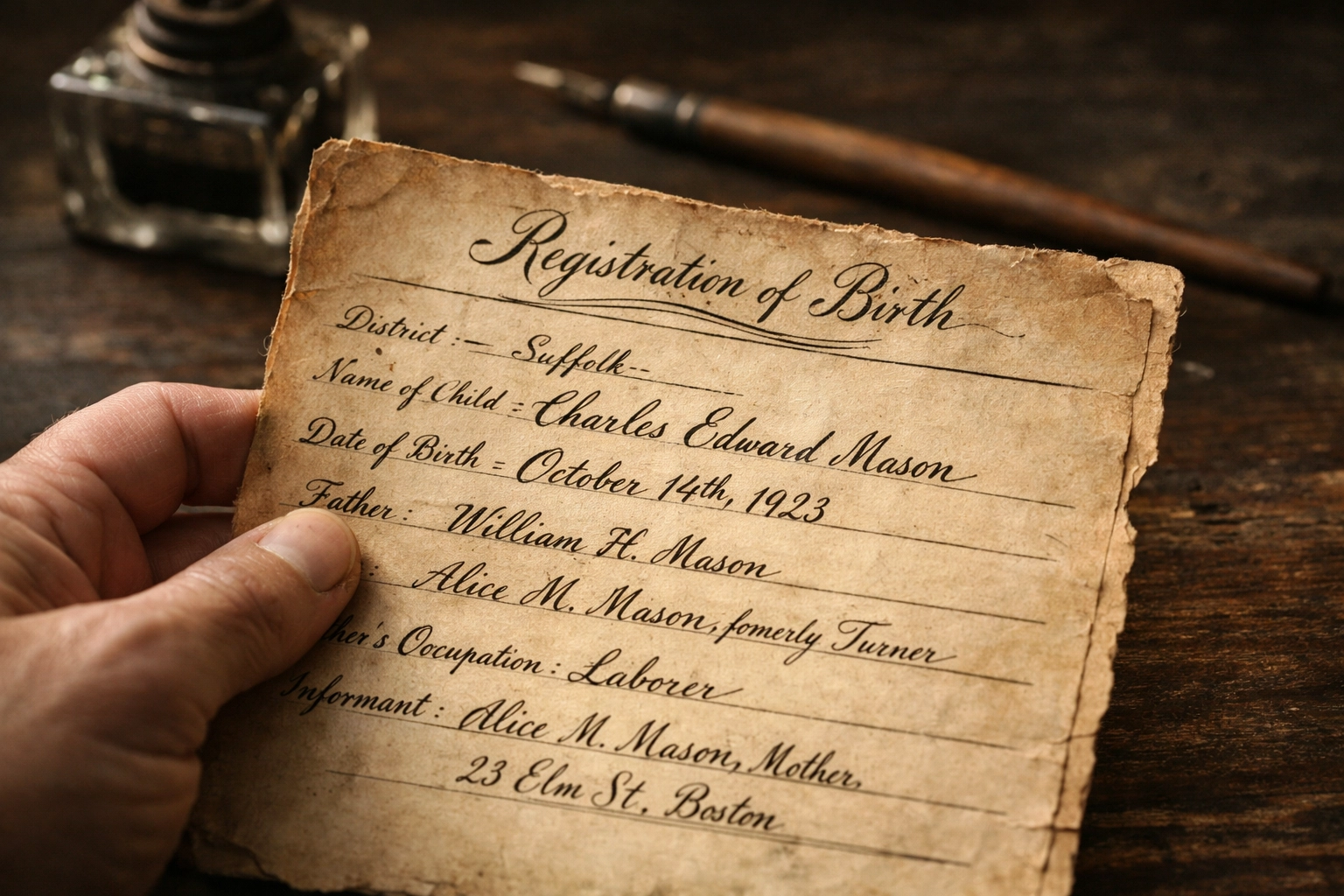
Detailed view of an original 1925 birth certificate used for Nova Scotia genealogy research.
(Caption: An old inkwell and parchment, symbolising the timeless nature of genealogical research and the stories we uncover.)

What Will You Discover?

As you begin your 1925 search, I encourage you to be open to what you find. Sometimes the records reveal surprises: a twin who didn't survive, a change in a father’s occupation that signals a family move, or even a different father listed than you expected. Embrace the truth of the record; it is the honest history of your bloodline.

For more tips on navigating Nova Scotia’s unique records, or to learn more about our specific research packages, visit our blog or check out our Scottish heritage resources if your 1925 ancestors hailed from the Highlands.

Leave a Reply below and let me know: Who are you looking for in the 1925 records? What’s the biggest brick wall you’re hoping this year will finally break down?

Happy hunting,

Brian Nash
Chief Genealogist and Owner, How We Got Here Genealogy Services


This post is part of our commitment to providing high-quality, educational content to the genealogy community. For more information on our services, visit howwegothere.ca.

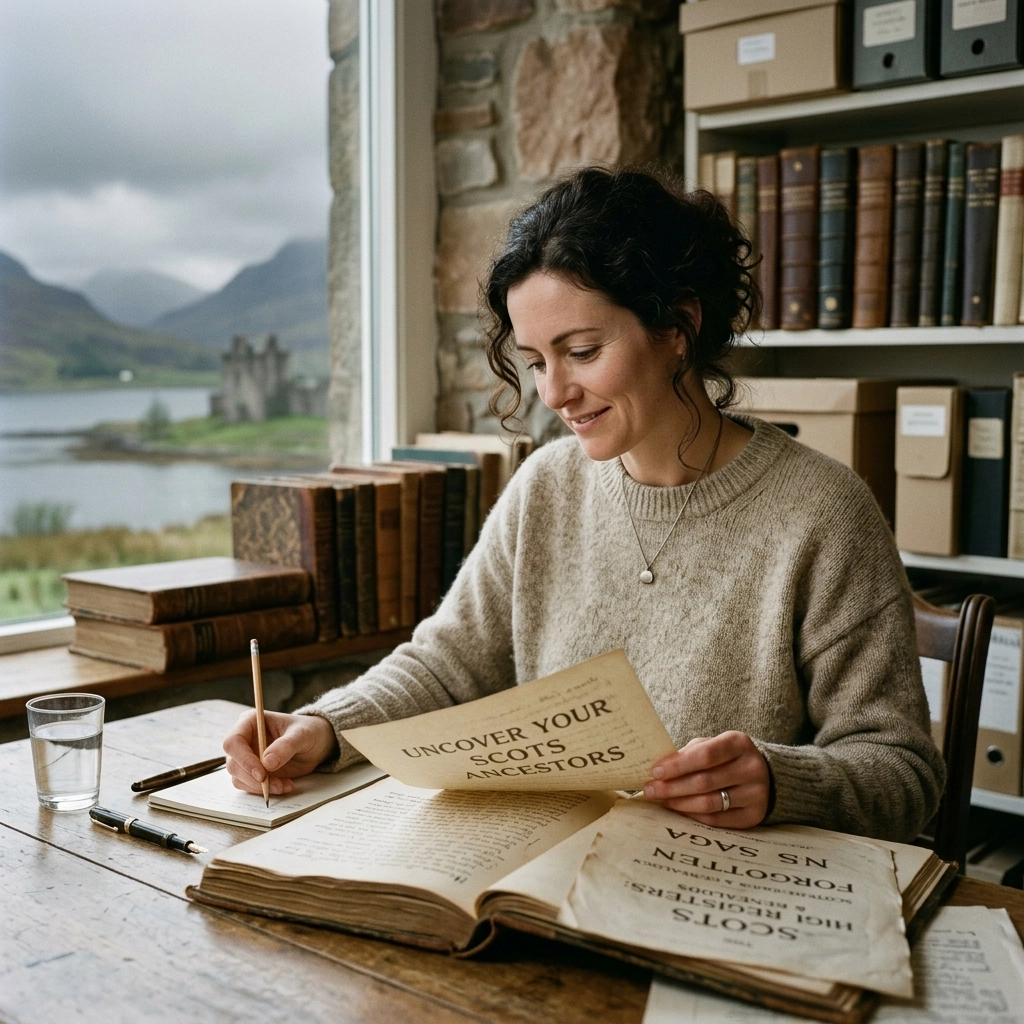
How to Uncover Your Scots Ancestors’ Forgotten NS Saga

If you have ever stood on the rugged, salt-sprayed shores of Nova Scotia and felt a strange, haunting pull toward the horizon, you aren’t alone. For many of us with Scottish roots, that feeling is more than just an appreciation for the scenery, it is a genetic echo. Our ancestors didn’t just move here; they survived a transition so monumental it can only be described as a saga.

But as the generations have passed, the details of those journeys have often faded into a misty "forgotten" status. Life in the New World was hard, and sometimes the stories of the Old World were tucked away in favour of survival. At How We Got Here Genealogy Services, I believe those stories deserve to be told. Whether you are just starting your tree or you’ve hit a granite-thick brick wall, reclaiming your Scottish-Nova Scotian legacy is one of the most rewarding adventures you can undertake.

The Heart-Wrenching Catalyst: Why They Left

To understand the saga, we have to understand the "why." Most Scottish migration to Nova Scotia wasn't a casual choice. Between the mid-18th and mid-19th centuries, the Scottish Highlands underwent a period of traumatic upheaval known as the Highland Clearances. Landlords began clearing the land of people to make room for more profitable sheep farming.

Families who had lived in the same glens for centuries were suddenly displaced. Some were coerced with vague promises of a better life, while others were forced onto ships with nothing but the clothes on their backs and a few precious heirlooms. When they arrived in "New Scotland" (Nova Scotia), they found a land that looked remarkably like home but required an immense amount of labour to tame.

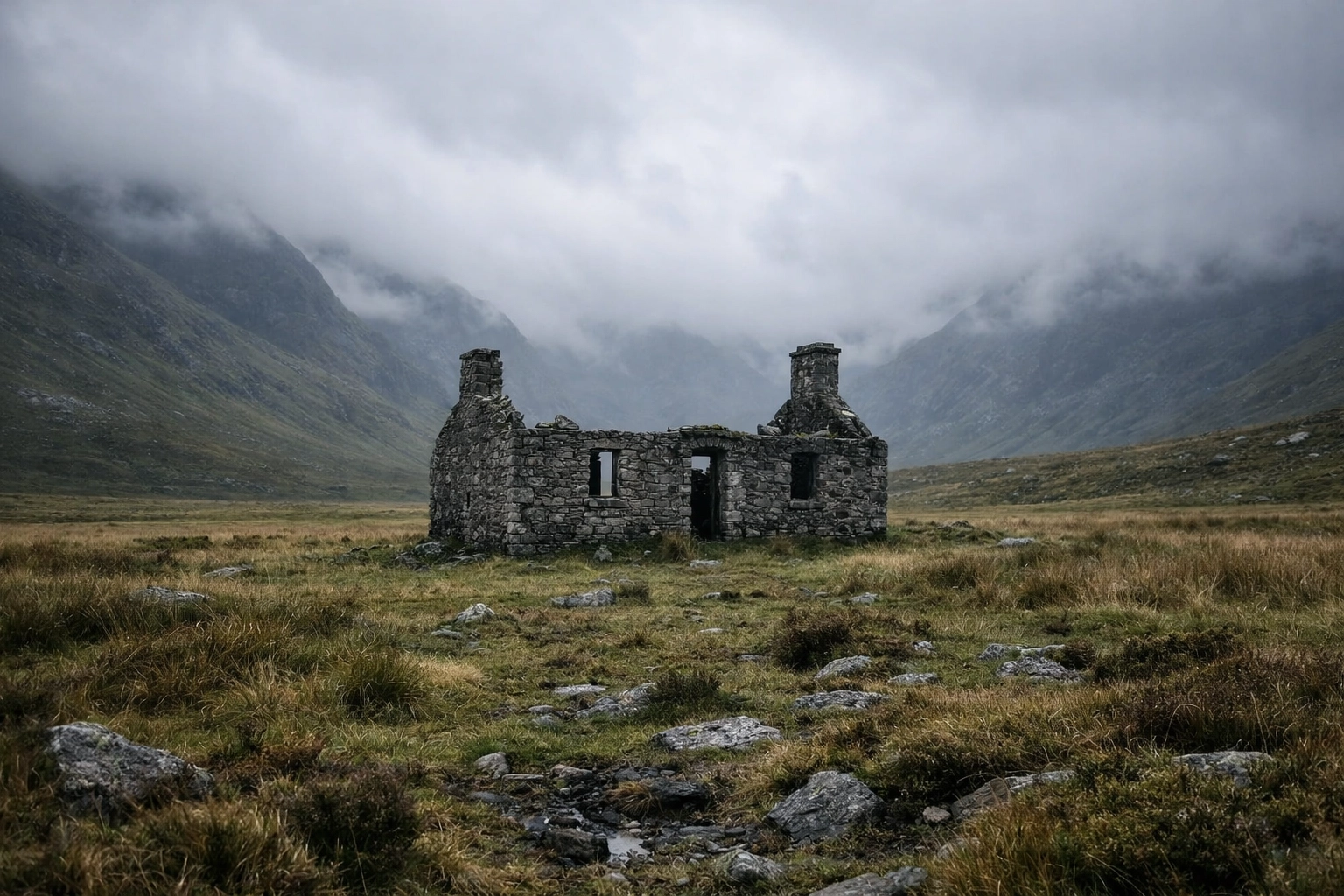
Ruined stone croft house in the Scottish Highlands, representing the origins of Nova Scotia's Scots ancestors.

Step 1: Mapping the Nova Scotia Footprint

Before we can leap across the Atlantic to the misty glens of Scotland, we have to firmly establish the "Nova Scotia side" of the story. In genealogy, we always work from the known to the unknown.

Start by scouring the records right here in the province. Nova Scotia has an incredible wealth of archival material, but finding your specific "John MacDonald" among a sea of others can feel like wandering through a maze blindfolded.

  • Vital Statistics: Look for birth, marriage, and death records. Early Nova Scotia records (pre-1864) can be spotty, but church registers are your secret weapon here.
  • Census Records: The 1871, 1881, and 1891 censuses are goldmines for identifying family clusters. Scots often settled in communities with people from their same home parish. If you find a cluster of families from "Isle of Skye" in a Cape Breton township, you’ve found a massive clue.
  • Land Grants: This is where the saga truly takes shape. Scottish immigrants often received land grants for their military service or as part of organized settlement schemes. These documents often mention the ship they arrived on or their place of origin.

If you’re feeling a bit overwhelmed by the sheer volume of names, you’re not alone! Our community is full of folks in the same boat. You might want to check out our forum on which county or clan you are tracing to see if someone else has already cleared a bit of the path for you.

Step 2: The Voyage, Finding the Ship

The crossing was the most perilous chapter of the saga. Imagine weeks spent in the cramped, dark hold of a wooden ship, tossed by the Atlantic. For many, the "Ship Hector" in 1773 is the most famous, but thousands of other vessels like the Dove, the Hope, and the Sarah brought our ancestors to ports like Pictou, Sydney, and Halifax.

Finding a passenger list is the "Holy Grail" of Scottish-NS research. While many lists were lost or never kept, some have survived in the form of customs records or newspaper announcements. Look for "Passenger Lists" in the Nova Scotia Archives or the National Archives of Canada.

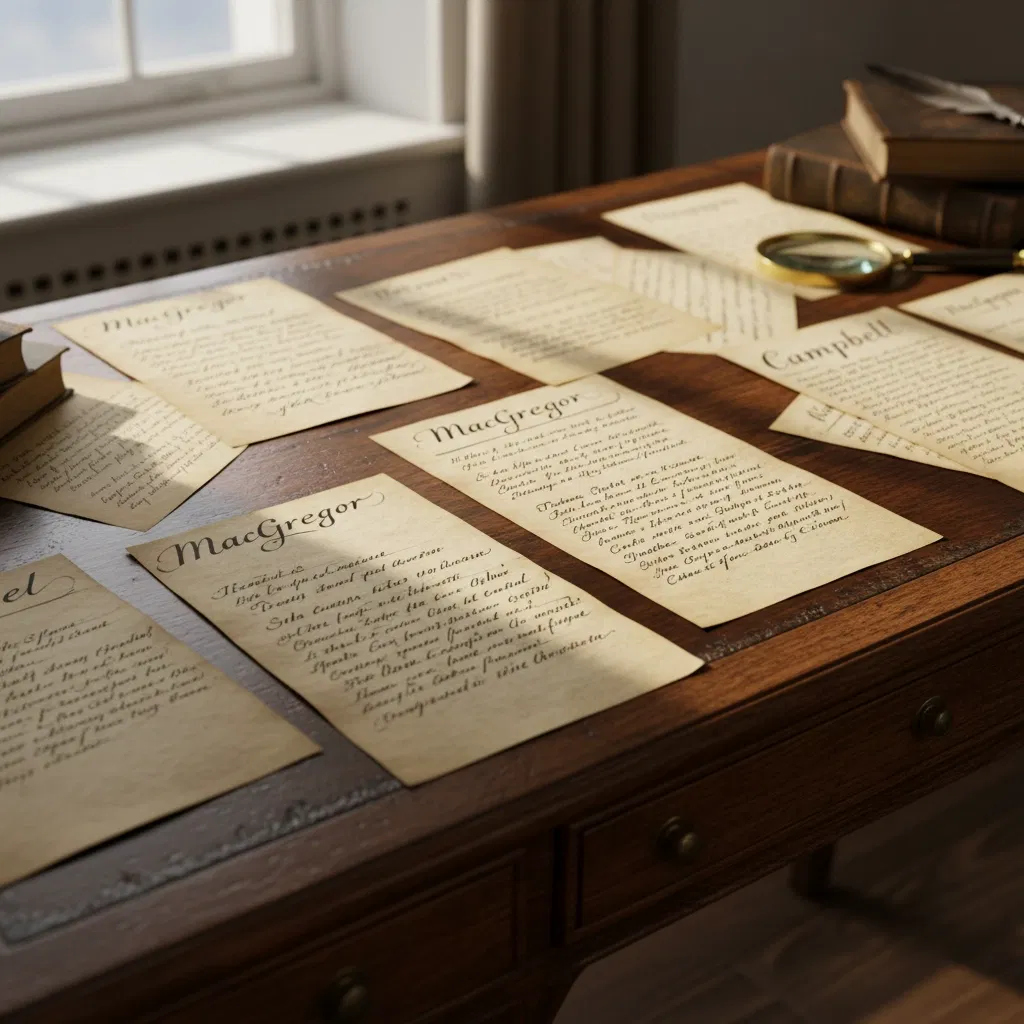
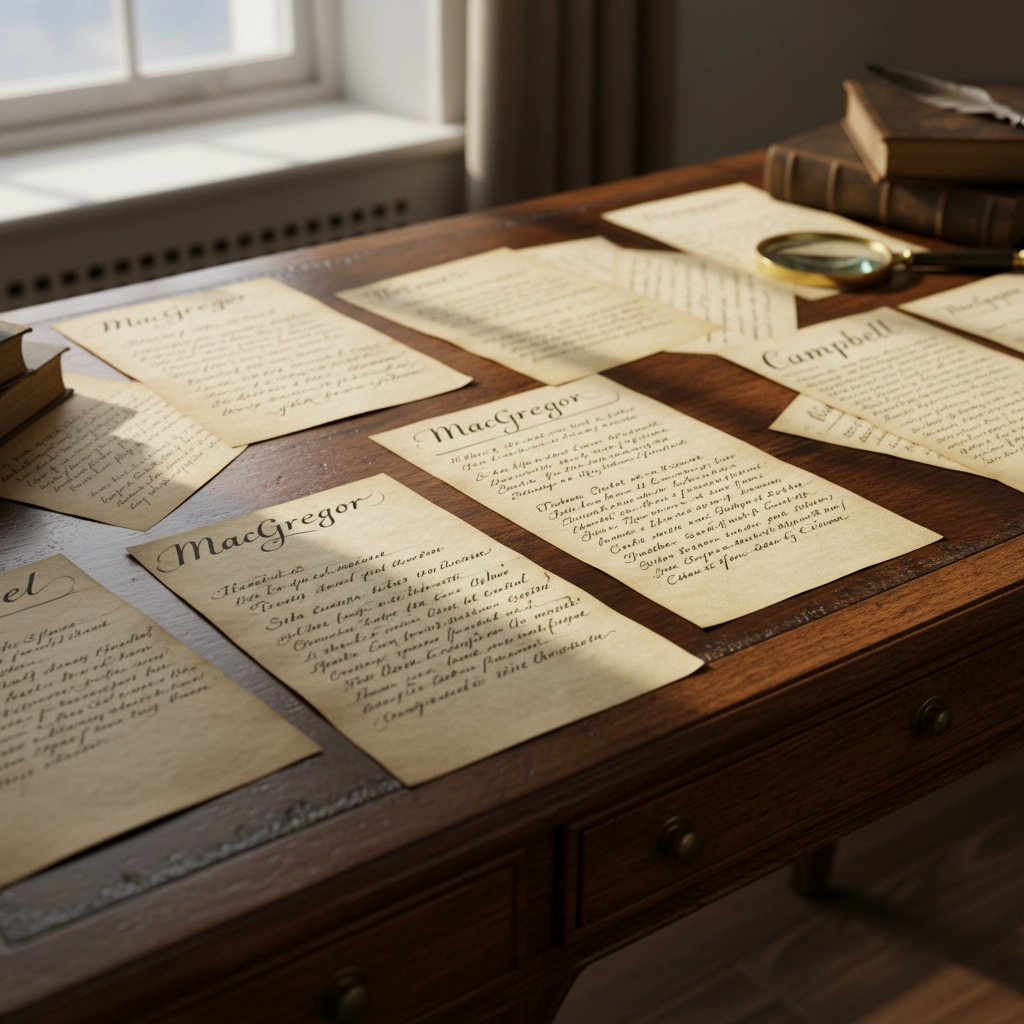
Archival handwritten family records, including MacGregor and Campbell surnames, are spread out on a wooden research desk alongside genealogy reference books and a magnifying glass

Step 3: Crossing the Water to the Old Country

Once you have a name, a date, and, crucially, a specific location in Scotland, it’s time to head to the source. Scotland is a world leader in online genealogy, but you need to know how to navigate their systems.

The primary resource is Scotland’s People. Here, you can find:

  • Statutory Registers: Births, marriages, and deaths from 1855 onwards.
  • Old Parish Registers (OPRs): These are the keys to the 1700s and early 1800s. They are records kept by the Church of Scotland and can be incredibly descriptive, or frustratingly brief.
  • Census Records: Every ten years from 1841 to 1921.

Keep in mind that spelling was… creative in those days. A "MacLean" might be a "McLean" or even "McLaine" depending on who was holding the pen. Don't let a different vowel stop your progress!

Overcoming the "MacDonald" Problem

One of the biggest challenges in Scottish genealogy is the naming patterns. In many Highland families, the eldest son was named after the paternal grandfather, the second after the maternal grandfather, and so on. This resulted in dozens of men with the same name living in the same small area.

This is where the "Saga" aspect becomes so important. We aren't just looking for a name; we are looking for a story. Did they settle in Antigonish? Were they farmers or fishermen? Did they belong to a specific religious denomination? These small details are the breadcrumbs that lead you to the right person.

At How We Got Here Genealogy Services, we specialize in these "brick wall" cases. If you've been stuck on a particular ancestor for years, don't miss out on the opportunity to use our community's collective brainpower. You can even use our template to get the best help with your brick wall.

Two people collaborate on genealogy research at a table with a laptop displaying a family tree, a smartphone showing a genealogy message, handwritten notes, and a map

Why This Matters: Reclaiming the Legacy

You might ask, "Brian, why go to all this trouble for people who have been gone for two hundred years?"

The answer is simple: Because every family has a story. When you uncover the specific glen your great-great-great-grandfather was cleared from, you aren't just adding a leaf to a digital tree. You are honouring the struggle he endured to ensure his descendants, you, had a future in a new land.

Their forgotten saga is your foundation. By documenting their journey, you are ensuring that their names are never lost again. It changes your perspective when you realize you come from a long line of survivors, dreamers, and labourers who built this province from the ground up.

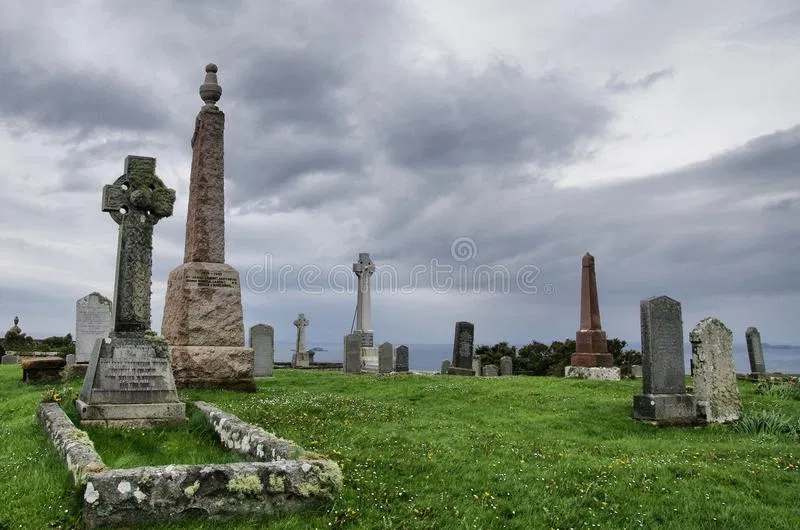
Overcast sky above a historic Scottish cemetery featuring weathered gravestones, Celtic crosses, and tall stone monuments

Let’s Work Together

Genealogy doesn’t have to be a solitary pursuit. In fact, it’s much better when it’s collaborative. At How We Got Here Genealogy Services, I pride myself on providing an educational, supportive environment where we can piece these puzzles together as a team.

If you’re new to the site, please stop by and introduce yourself. Tell us about your Scots-NS focus. Are you looking in Pictou? Cape Breton? The South Shore? Knowing where you are focused helps us provide the most relevant tips and resources.

Uncovering your family history is a journey, not a sprint. There will be moments of frustration where the records seem to vanish into the heather, and there will be moments of pure, electric joy when you find that one document that proves a connection. Persistence is key, and the rewards are profound.

Every record and every story brings you closer to understanding who you are and how you got here. Let's start uncovering your saga today.

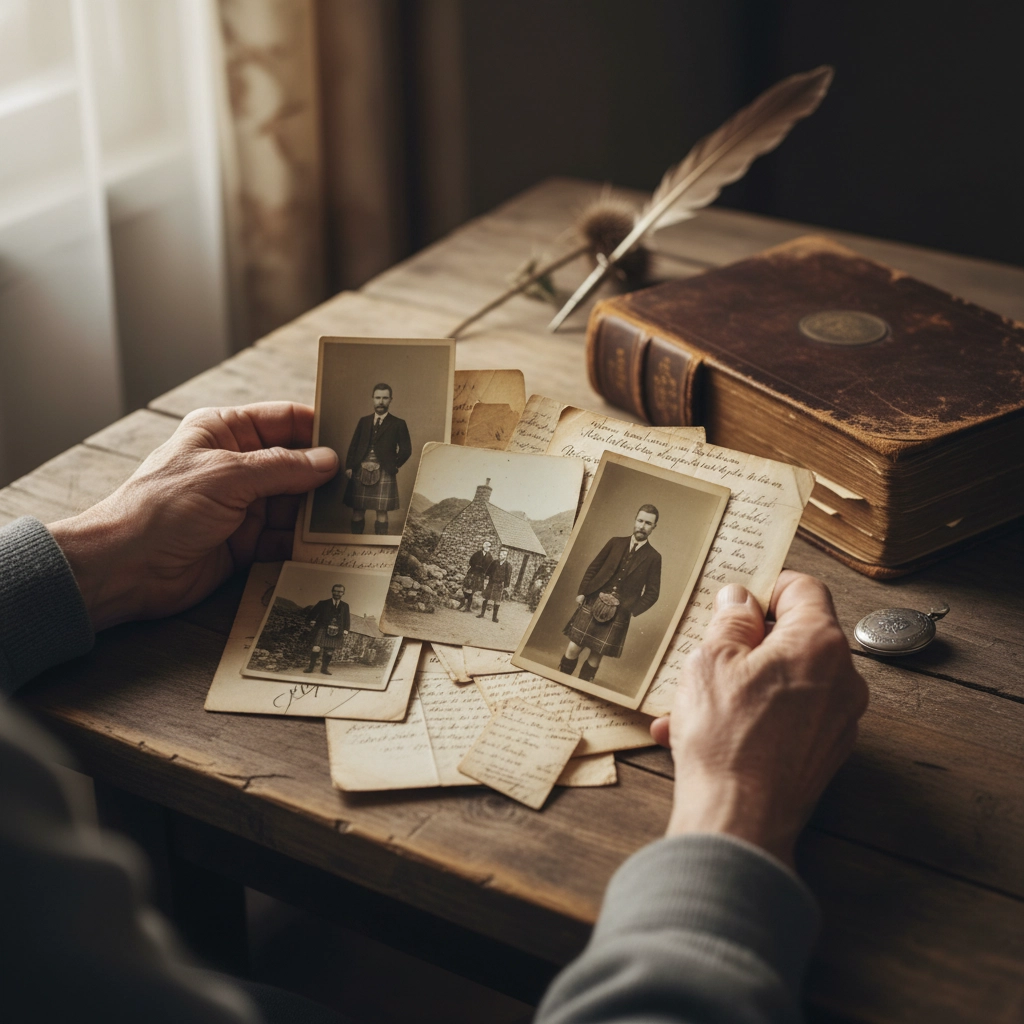
A pair of hands gently holds a lush family tree, featuring framed vintage and modern photographs of ancestors and relatives among the branches


Ready to dive deeper into your Atlantic Canadian roots? Check out our forum specifically for Nova Scotia, NB, PEI, or Nfld research to connect with fellow researchers today!

Beyond the Cursive: Secrets Found in a Century-Old Russian Diar

Season 5 Episode 2 –
They Had to Leave Everything

In this episode, Brian sits down with Tamara Buzina-Adams, author of The Last Ship to Freedom, to discuss the captivating journey of uncovering her family’s escape from post-imperial Russia. Tamara shares how her genealogical journey began unexpectedly while researching her husband’s Polish ancestry, eventually leading her back to five long-forgotten diaries written by her grandmother starting at age eleven. These diaries, written in beautiful pre-revolutionary Russian cursive, detail a harrowing yet vibrant 18-month period spent living aboard a ship during the chaotic Crimean evacuation of 1920. Throughout the conversation, Tamara highlights the “detective work” required to piece together a historical narrative when traditional records seem out of reach. She describes utilizing a diverse toolkit—from collaborating with fluent family members for translations to using Google Translate and connecting with distant relatives who possessed matching photographs of the very ship her grandmother lived on. By matching family stories of horses in the Black Sea with historical events like the evacuation at Novorossiysk, Tamara demonstrates how understanding the broader political and historical context can breathe life into the “dash” between an ancestor’s birth and death dates.

——————————————————————————————————————–

How to Find Tamara Buzyna Adams Last Ship to Freedom is on Amazon: https://amzn.to/45QcsKw Website: https://www.tamarabuzynaadams.com/ Instagram:   / author_tamara_adams

Remarkable Lessons Learned from One Family’s Forgotten History

We’re back for season 5 with episode 1 “Think Like a Historian: Contextualizing Your Family’s Past”

In this episode, host Brian Nash sits down with Darren Hall to discuss his research into his Loyalist ancestor, James Waugh. Hall’s passion for genealogy was sparked by his family roots in Prince Edward Island and foundational local histories like The Wrights of Bedeque. He emphasizes that effective genealogy requires looking beyond vital statistics—birth, marriage, and death—to understand the broader historical context. For his ancestors, this meant investigating the “story that brought them to Canada,” moving beyond the simple fact of their arrival to explore the specific events of the American Revolution that dictated their movements.

The investigation into James Waugh faced a significant “brick wall” for years because early land grants only listed him as being “late of New York.” However, Darren’s breakthrough came through the digitized Carlton Papers, where he located a James Waugh on a 1778 muster roll in Pensacola, Florida. This discovery linked Waugh to British Indian agents Richard Parris and Alexander Cameron. Hall’s research suggests that Waugh was likely part of the Loyalist backcountry movement in South Carolina, traveling through the wilderness to Florida before eventually joining the refugee migration to Shelburne, Nova Scotia, and finally settling in PEI’s Wilmot Valley.

A pivotal aspect of this research involved the use of Big Y-DNA testing, which produced a startling revelation for the Waugh family. The genetic results showed that the paternal line actually matches the surname Wilson, indicating a likely adoption or non-paternity event dating back to the 1600s. This highlights the power of combining traditional archival research with genetic genealogy to correct long-standing family assumptions. By tracing military records, land grants, and DNA, Hall provides a vivid picture of the displaced Loyalists who helped shape the early landscape of Atlantic Canada.

7 Mistakes You're Making with Your Scottish Ancestry Research (and How to Fix Them)

Tracing your Scottish roots can feel like wandering through a Highland mist: you know there's something magnificent ahead, but the path isn't always clear. Whether you're just beginning your journey into Scottish genealogy or you've been researching for years, chances are you've stumbled into at least one of these common pitfalls that can send your family tree veering off course.

Don't worry: every genealogist has been there! The key is recognising these mistakes early and knowing how to course-correct. Let's dive into the seven most common Scottish ancestry research blunders and, more importantly, how to fix them so you can uncover the rich stories of your Highland (or Lowland) heritage.

Mistake #1: Falling into the Name Spelling Trap

Here's the thing about our Scottish ancestors: they weren't particularly fussed about consistent spelling. In fact, standardised spelling is a relatively modern concept that would have seemed rather peculiar to your great-great-grandmother from Invergordon.

Your MacDonald ancestor might appear as McDonald in one record, MacDonnell in another, and McKonald in a third. Census takers, parish clerks, and ship captains all had their own interpretations of how Scottish names should be recorded. It's like a centuries-old game of Chinese whispers, except the consequences affect your entire family tree.

The Fix: Cast a wider net with your searches. Don't just search for "MacLeod": try "McLeod," "MacCloud," "McCloud," and even "MacClowd." Use wildcard searches (like "Macod" or "Mcod") on genealogy websites to capture variations you might not have considered. Keep a running list of all the spelling variations you discover for each surname in your tree: you'll be amazed at how creative the variations can be!

image_1

Mistake #2: Getting Lost in the Sea of Scottish Johns

Scotland has a particular fondness for certain names, and this can turn your research into a genealogical nightmare. James, John, William, Robert, Margaret, Mary, and Jean were incredibly popular choices, meaning you might find dozens of people with the same name in the same parish during the same time period.

Imagine trying to find the right John Stewart in 19th-century Glasgow: it's like looking for a specific grain of sand on a beach. Without additional identifying information, you could easily attach the wrong John to your family tree, creating a domino effect of incorrect connections.

The Fix: Think of yourself as a detective building a case. Don't rely solely on names and dates: look for distinguishing details like occupations, middle names, spouse's names, and children's names. Use the FAN principle (Friends, Associates, and Neighbours) to build context around your ancestors. Often, Scottish families lived near relatives or migrated together, so researching the broader community can help you identify the correct individual among all those Johns and Jameses.

Mistake #3: Treating Family Stories as Gospel Truth

Every family has them: those captivating stories passed down through generations about the castle your ancestors owned or the clan chief in your lineage. These tales often contain kernels of truth wrapped in layers of embellishment, wishful thinking, and simple misremembering.

Family oral history is like a centuries-old game of telephone. Each retelling adds a bit of colour, removes inconvenient details, or conflates multiple people into one dramatic narrative. That "castle" might have been a modest cottage, and your "clan chief" ancestor could have been a distant relation to someone who knew someone who once worked for the actual chief.

The Fix: Approach family stories as valuable clues rather than established facts. Use them as starting points for research, not endpoints. If family lore says your ancestor came from a particular Scottish village, investigate that area: but be prepared to discover the reality might be quite different from the legend. Document what you can prove through records, and clearly distinguish between verified facts and family traditions in your research notes.

image_2

Mistake #4: Copying and Pasting from Online Family Trees

Online family trees can seem like genealogical treasure troves, offering seemingly complete lineages that would take you years to research independently. But here's the catch: many of these trees are built on shaky foundations, with researchers copying information from other trees without verification.

It's the genealogical equivalent of a house of cards. If the original researcher made an error connecting two generations, every person attached to that lineage becomes suspect. You might unknowingly add hundreds of unrelated people to your family tree, creating an impressive but entirely fictional Scottish heritage.

The Fix: Treat online family trees as research hints, not definitive sources. Before adding anyone to your tree based on someone else's research, verify the connection through original records. Look for birth certificates, death certificates, census records, and parish registers that support the claimed relationships. It takes more time, but you'll build a family tree based on solid evidence rather than wishful thinking.

Mistake #5: Ignoring the Paper Trail

Picture this: you've spent hours researching and finally discover a crucial piece of information about your Scottish ancestor. Six months later, you want to verify that detail or show it to a cousin, but you can't remember where you found it. Without proper source documentation, your research becomes a genealogical ghost story: interesting but impossible to substantiate.

This mistake is particularly costly in Scottish research, where records can be scattered across multiple repositories and online databases. That parish register entry you found last year might be difficult to locate again without proper citation.

The Fix: Develop a source citation habit from day one. For every piece of information you add to your family tree, record exactly where you found it: the specific website, database, document name, page number, and date you accessed it. Use genealogy software that makes citation easy, or create a simple system in a notebook. Future you (and your family members) will thank you for this diligence.

image_3

Mistake #6: Limiting Yourself to the Usual Suspects

Many genealogists build their entire Scottish family history using only census records and vital statistics (births, marriages, deaths). While these sources provide excellent skeletal information, they're like reading only the chapter headings of your ancestors' life stories: you miss all the fascinating details that make them real people.

Scottish ancestors led rich, complex lives that extended far beyond the basic facts captured in census returns. They served in the military, emigrated to new countries, joined churches, owned property, wrote wills, appeared in newspapers, and left traces in dozens of other record types that can flesh out their stories.

The Fix: Expand your research toolkit to include kirk session records, military service records, passenger lists, newspaper archives, probate records, land records, tax rolls, and cemetery records. Each record type reveals different aspects of your ancestors' lives and can provide breakthrough discoveries. Don't just document that your ancestor lived: discover how they lived.

Mistake #7: Underestimating Scottish-Specific Research Challenges

Scottish genealogy presents unique obstacles that can derail researchers who aren't prepared for them. Parish registers might have gaps due to wars, religious conflicts, or simple neglect. Non-conformist ancestors might not appear in Church of Scotland records at all. Place names can be frustratingly vague: "Scotland" as a birthplace isn't particularly helpful when you're trying to narrow down research locations.

Additionally, Scottish naming patterns, illegitimacy records, and clan relationships create layers of complexity that don't exist in other genealogical traditions. Many researchers get discouraged when they encounter these challenges without understanding they're normal parts of Scottish research.

The Fix: Educate yourself about Scottish history, geography, and record-keeping practices. Join Scottish genealogy groups and forums where experienced researchers share knowledge and strategies. Learn about Scottish naming patterns: many families followed traditions like naming the first son after the paternal grandfather and the first daughter after the maternal grandmother. Understanding these patterns can help you predict relationships and identify missing records.

When you encounter vague location information, research your ancestor's siblings and extended family: later records might provide more specific birthplace details. Use gazetteer resources to understand Scottish geography and identify small villages that might not appear on modern maps.

Moving Forward with Confidence

Remember, encountering these challenges doesn't make you a poor researcher: it makes you a normal one! Every genealogist working with Scottish ancestry faces these same obstacles. The difference between those who succeed and those who get frustrated lies in recognising these common pitfalls and developing strategies to overcome them.

Your Scottish ancestors lived remarkable lives filled with courage, hardship, joy, and perseverance. They deserve to have their stories told accurately and completely. By avoiding these seven common mistakes, you're not just improving your research skills: you're honouring their memory and preserving their legacy for future generations.

Scottish genealogy is a journey, not a sprint. Each record you discover, each connection you verify, and each story you uncover brings you closer to understanding not just where you came from, but who your ancestors really were. And that understanding: that deep connection to your Scottish heritage: makes every challenging research moment worth the effort.

Ready to dive deeper into your Scottish ancestry research? Visit How We Got Here Genealogy Services to discover how professional guidance can help you navigate the unique challenges of Scottish genealogy and uncover the remarkable stories waiting in your family tree.