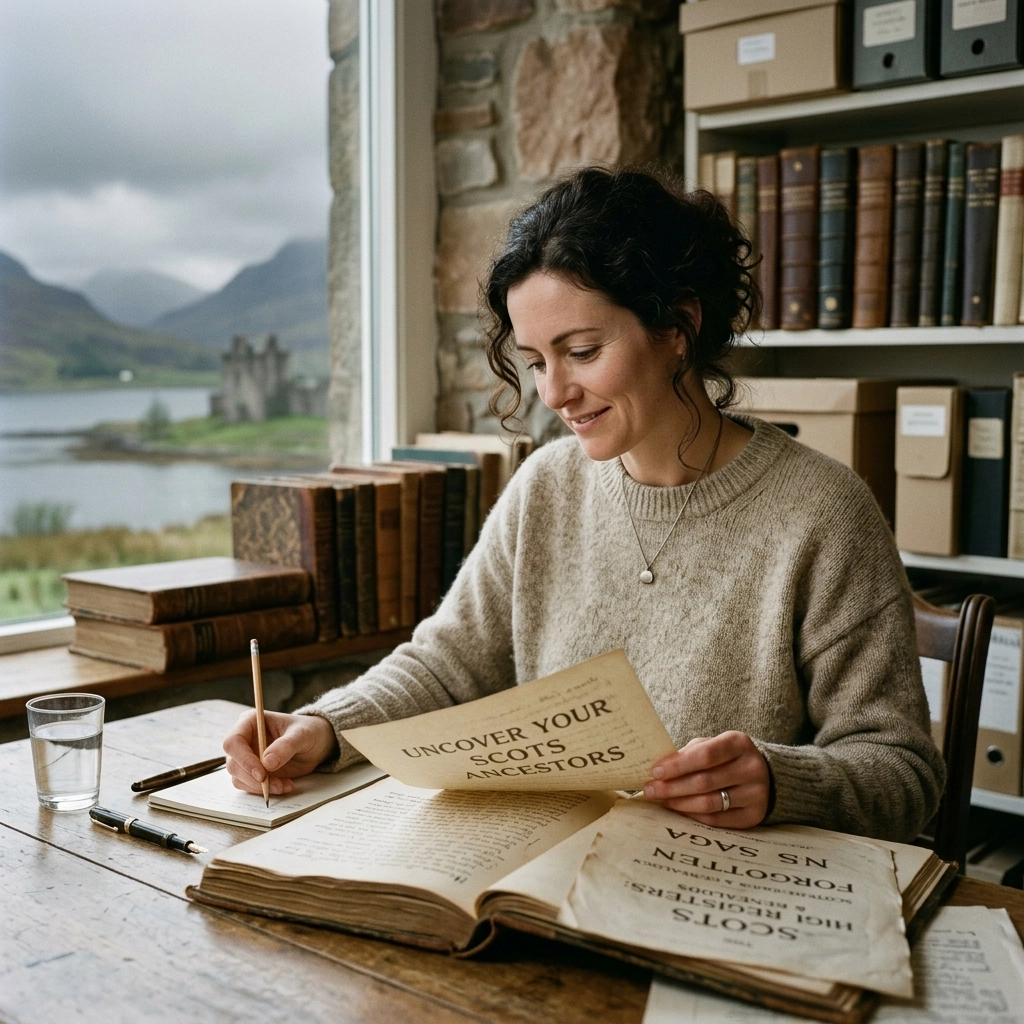

If you have ever stood on the rugged, salt-sprayed shores of Nova Scotia and felt a strange, haunting pull toward the horizon, you aren’t alone. For many of us with Scottish roots, that feeling is more than just an appreciation for the scenery, it is a genetic echo. Our ancestors didn’t just move here; they survived a transition so monumental it can only be described as a saga.
But as the generations have passed, the details of those journeys have often faded into a misty "forgotten" status. Life in the New World was hard, and sometimes the stories of the Old World were tucked away in favour of survival. At How We Got Here Genealogy Services, I believe those stories deserve to be told. Whether you are just starting your tree or you’ve hit a granite-thick brick wall, reclaiming your Scottish-Nova Scotian legacy is one of the most rewarding adventures you can undertake.
The Heart-Wrenching Catalyst: Why They Left
To understand the saga, we have to understand the "why." Most Scottish migration to Nova Scotia wasn't a casual choice. Between the mid-18th and mid-19th centuries, the Scottish Highlands underwent a period of traumatic upheaval known as the Highland Clearances. Landlords began clearing the land of people to make room for more profitable sheep farming.
Families who had lived in the same glens for centuries were suddenly displaced. Some were coerced with vague promises of a better life, while others were forced onto ships with nothing but the clothes on their backs and a few precious heirlooms. When they arrived in "New Scotland" (Nova Scotia), they found a land that looked remarkably like home but required an immense amount of labour to tame.
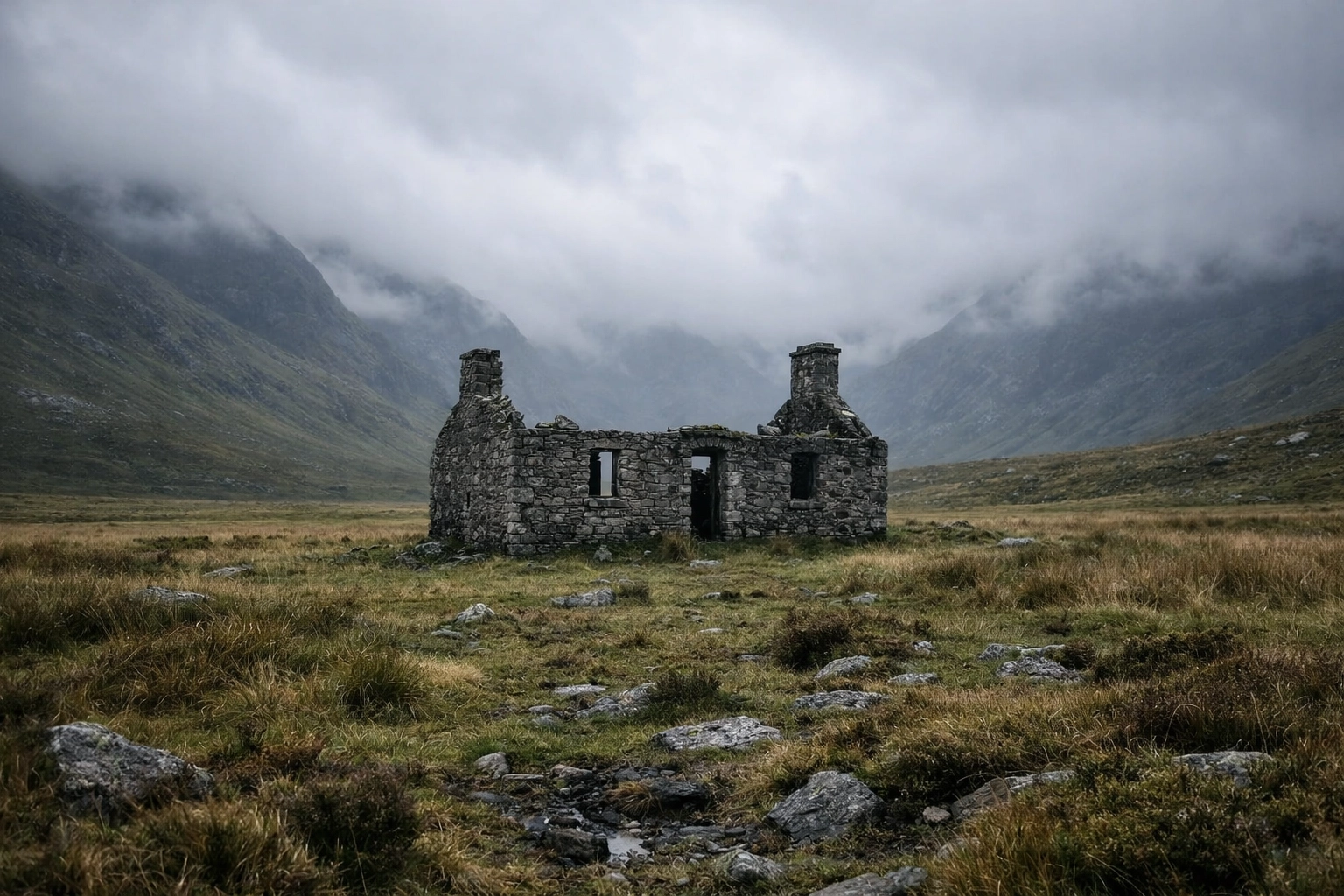
Step 1: Mapping the Nova Scotia Footprint
Before we can leap across the Atlantic to the misty glens of Scotland, we have to firmly establish the "Nova Scotia side" of the story. In genealogy, we always work from the known to the unknown.
Start by scouring the records right here in the province. Nova Scotia has an incredible wealth of archival material, but finding your specific "John MacDonald" among a sea of others can feel like wandering through a maze blindfolded.
- Vital Statistics: Look for birth, marriage, and death records. Early Nova Scotia records (pre-1864) can be spotty, but church registers are your secret weapon here.
- Census Records: The 1871, 1881, and 1891 censuses are goldmines for identifying family clusters. Scots often settled in communities with people from their same home parish. If you find a cluster of families from "Isle of Skye" in a Cape Breton township, you’ve found a massive clue.
- Land Grants: This is where the saga truly takes shape. Scottish immigrants often received land grants for their military service or as part of organized settlement schemes. These documents often mention the ship they arrived on or their place of origin.
If you’re feeling a bit overwhelmed by the sheer volume of names, you’re not alone! Our community is full of folks in the same boat. You might want to check out our forum on which county or clan you are tracing to see if someone else has already cleared a bit of the path for you.
Step 2: The Voyage, Finding the Ship
The crossing was the most perilous chapter of the saga. Imagine weeks spent in the cramped, dark hold of a wooden ship, tossed by the Atlantic. For many, the "Ship Hector" in 1773 is the most famous, but thousands of other vessels like the Dove, the Hope, and the Sarah brought our ancestors to ports like Pictou, Sydney, and Halifax.
Finding a passenger list is the "Holy Grail" of Scottish-NS research. While many lists were lost or never kept, some have survived in the form of customs records or newspaper announcements. Look for "Passenger Lists" in the Nova Scotia Archives or the National Archives of Canada.

Step 3: Crossing the Water to the Old Country
Once you have a name, a date, and, crucially, a specific location in Scotland, it’s time to head to the source. Scotland is a world leader in online genealogy, but you need to know how to navigate their systems.
The primary resource is Scotland’s People. Here, you can find:
- Statutory Registers: Births, marriages, and deaths from 1855 onwards.
- Old Parish Registers (OPRs): These are the keys to the 1700s and early 1800s. They are records kept by the Church of Scotland and can be incredibly descriptive, or frustratingly brief.
- Census Records: Every ten years from 1841 to 1921.
Keep in mind that spelling was… creative in those days. A "MacLean" might be a "McLean" or even "McLaine" depending on who was holding the pen. Don't let a different vowel stop your progress!
Overcoming the "MacDonald" Problem
One of the biggest challenges in Scottish genealogy is the naming patterns. In many Highland families, the eldest son was named after the paternal grandfather, the second after the maternal grandfather, and so on. This resulted in dozens of men with the same name living in the same small area.
This is where the "Saga" aspect becomes so important. We aren't just looking for a name; we are looking for a story. Did they settle in Antigonish? Were they farmers or fishermen? Did they belong to a specific religious denomination? These small details are the breadcrumbs that lead you to the right person.
At How We Got Here Genealogy Services, we specialize in these "brick wall" cases. If you've been stuck on a particular ancestor for years, don't miss out on the opportunity to use our community's collective brainpower. You can even use our template to get the best help with your brick wall.
Why This Matters: Reclaiming the Legacy
You might ask, "Brian, why go to all this trouble for people who have been gone for two hundred years?"
The answer is simple: Because every family has a story. When you uncover the specific glen your great-great-great-grandfather was cleared from, you aren't just adding a leaf to a digital tree. You are honouring the struggle he endured to ensure his descendants, you, had a future in a new land.
Their forgotten saga is your foundation. By documenting their journey, you are ensuring that their names are never lost again. It changes your perspective when you realize you come from a long line of survivors, dreamers, and labourers who built this province from the ground up.
Let’s Work Together
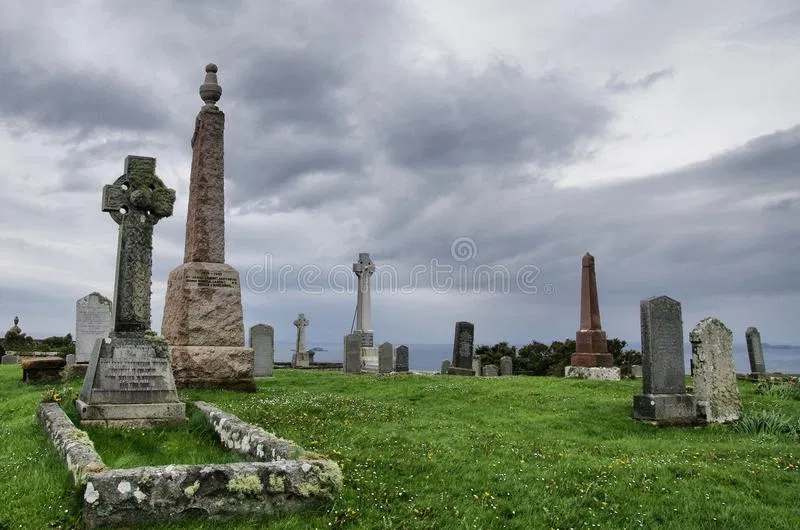
Genealogy doesn’t have to be a solitary pursuit. In fact, it’s much better when it’s collaborative. At How We Got Here Genealogy Services, I pride myself on providing an educational, supportive environment where we can piece these puzzles together as a team.
If you’re new to the site, please stop by and introduce yourself. Tell us about your Scots-NS focus. Are you looking in Pictou? Cape Breton? The South Shore? Knowing where you are focused helps us provide the most relevant tips and resources.
Uncovering your family history is a journey, not a sprint. There will be moments of frustration where the records seem to vanish into the heather, and there will be moments of pure, electric joy when you find that one document that proves a connection. Persistence is key, and the rewards are profound.
Every record and every story brings you closer to understanding who you are and how you got here. Let's start uncovering your saga today.

Ready to dive deeper into your Atlantic Canadian roots? Check out our forum specifically for Nova Scotia, NB, PEI, or Nfld research to connect with fellow researchers today!