

For those of us who live and breathe family history, there is a specific kind of magic that happens when a new year’s worth of records finally steps out from behind the curtain of privacy laws. It’s like a long-lost relative finally deciding to tell their story after a century of silence.
As we navigate through 2026, the spotlight has officially shifted to the year 1925. In the world of Nova Scotia genealogy, this is a milestone year. Whether you are searching for an Acadian ancestor in Pubnico, a coal miner in Cape Breton, or a merchant in the heart of Halifax, the release of the 1925 birth records is the key to unlocking the next chapter of your family’s narrative.
But before you dive headfirst into the digital archives, there’s a strategy you need to adopt. Think of this as a "genealogical detox": clearing away the clutter of old assumptions and preparing your research palate for the rich, detailed data that 1925 has to offer. At How We Got Here Genealogy Services, we believe that every family has a story, and these records are the ink.
The Philosophy of the Hundred-Year Wait
In Nova Scotia, birth records are restricted for 100 years to protect the privacy of individuals. It’s a long wait, often feeling like you’re wandering through a maze blindfolded, hoping to stumble upon a breakthrough. But there is a certain beauty in this "slow history." By the time these records reach us, they aren’t just data points; they are historical artefacts.
The year 1925 was a time of transition. The "Roaring Twenties" were in full swing, yet the echoes of the Great War still lingered in many households. Understanding the cultural and social "colour" of Nova Scotia in 1925 allows you to see these birth records not just as names on a page, but as new lives entering a world of rapid change, industrial labour, and shifting community boundaries.
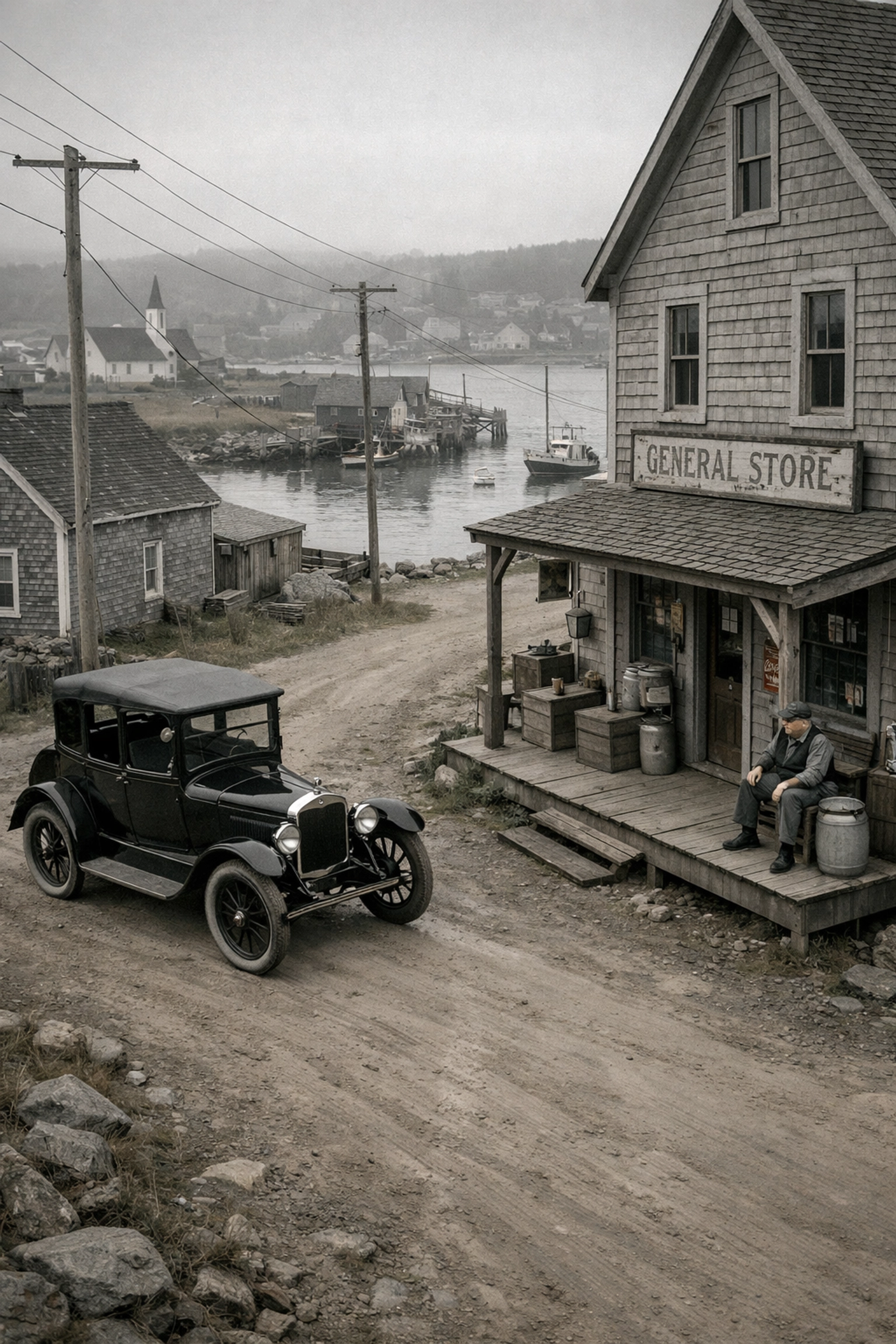
(Caption: A vintage scene of Nova Scotia in the mid-1920s, reflecting the era of these newly released records.)
The "Do This First" Strategy: Location, Location, Location
The biggest mistake researchers make when a new year of records drops is assuming everything is in one place. If you’ve spent any time on the Nova Scotia Archives website, you know it is a treasure trove. However, the transition of records from Vital Statistics (Service Nova Scotia) to the Nova Scotia Archives is a process, not an instant flip of a switch.
Step 1: Check the Repository Status
As of now, the records for 1864–1877 and 1908–1924 are firmly housed and searchable at the Archives. For 1925, we are in the "sweet spot." While the 100-year privacy period has technically lapsed, you must first verify if the digital images have been uploaded to the public-facing portals or if you still need to request a search through Vital Statistics.
Step 2: Mind the "Delayed Registration" Trap
Don't underestimate the number of people born in 1925 who didn't have their births officially recorded until years: or even decades: later. Many Nova Scotians only registered their births when they needed a passport or a pension much later in life. If you don't find your ancestor in the 1925 primary ledger, your next move must be searching the "Delayed Registrations" section. This is a pro’s guide secret: the best stories are often found in the corrections!
The Actionable "Quick-Start" Checklist
If you're feeling lost in the labyrinth of genealogy, follow these steps to ensure your 1925 search is efficient and successful.
- Audit Your Existing Tree: Before searching the new records, look at your 1924 data. Who was pregnant? Who was married in 1923 or 1924? Establish your "targets" first so you aren't searching aimlessly.
- Search Phonetically: Nova Scotia names, especially Acadian or Gaelic names, were often butchered by English-speaking clerks. Use Soundex or wildcards (like Sm*th for Smith/Smyth) to catch those variations.
- Cross-Reference with the 1931 Census: We are fortunate that the 1931 Census of Canada is available. Use it to verify the household structure. If a child appears as a 6-year-old in the 1931 Census, you have a 99% certainty they will appear in the 1925 birth records.
- Look for the Midwife or Physician: In 1925, many births still happened at home. Pay attention to who signed the record. Often, the same doctor or midwife attended every birth in a small village, providing clues to community connections you might have missed.

(Caption: The How We Got Here Genealogy Services logo, representing our commitment to uncovering your family's unique journey.)
Why 1925 is a "Secret Weapon" for Your Research
Hitting a wall is inevitable in genealogy, but it doesn’t mean defeat. The 1925 records are particularly valuable because they provide more than just a birth date. By the mid-20s, Nova Scotia’s record-keeping had become much more sophisticated than the sporadic records of the 1800s.
In a 1925 birth record, you are likely to find:
- The exact birthplace (often a specific house or street address in towns like New Glasgow or Sydney).
- The father’s occupation (was he a mariner, a farmer, or working the new "motor cars"?).
- The mother’s maiden name: the holy grail for breaking through maternal brick walls.
- The number of children previously born to that mother (helping you identify siblings you never knew existed).
This level of detail is insightful and educational. It transforms a name into a person who lived in a specific community with specific challenges.
Overcoming the Common Frustrations
I often hear from clients at How We Got Here Genealogy Services who say, "I searched 1925 and found nothing!" Don't panic. Persistence is key.
If the record isn't there, consider the "Border Effect." Many families in the Annapolis Valley or the South Shore had strong ties to "The Boston States." Is it possible the birth occurred in Massachusetts while the family was working there for the season? Or perhaps across the border in New Brunswick?
Also, keep a meticulous log of your searches. In the excitement of a new record release, it’s easy to repeat the same search five times and forget to try the most obvious spelling variation.
A Journey, Not a Sprint
Uncovering your family history is a journey, not a sprint. Every record and every story brings you closer to understanding the fabric of your own identity. The release of the 1925 records is just one piece of the puzzle, but it’s a vibrant, essential piece that bridges the gap between the "old world" and the modern era.
At How We Got Here Genealogy Services, we are dedicated to helping you navigate these waters. Whether you’re an Acadian descendant tracing your roots back to the deportation or a more recent arrival curious about your grandparents’ start in the Maritimes, we are here to provide professional, educational, and personal insight.
Don’t miss out on this opportunity! The 1925 records are waiting to be explored. If you find yourself stuck or overwhelmed by the sheer volume of data, reach out to us. We love solving a good mystery.
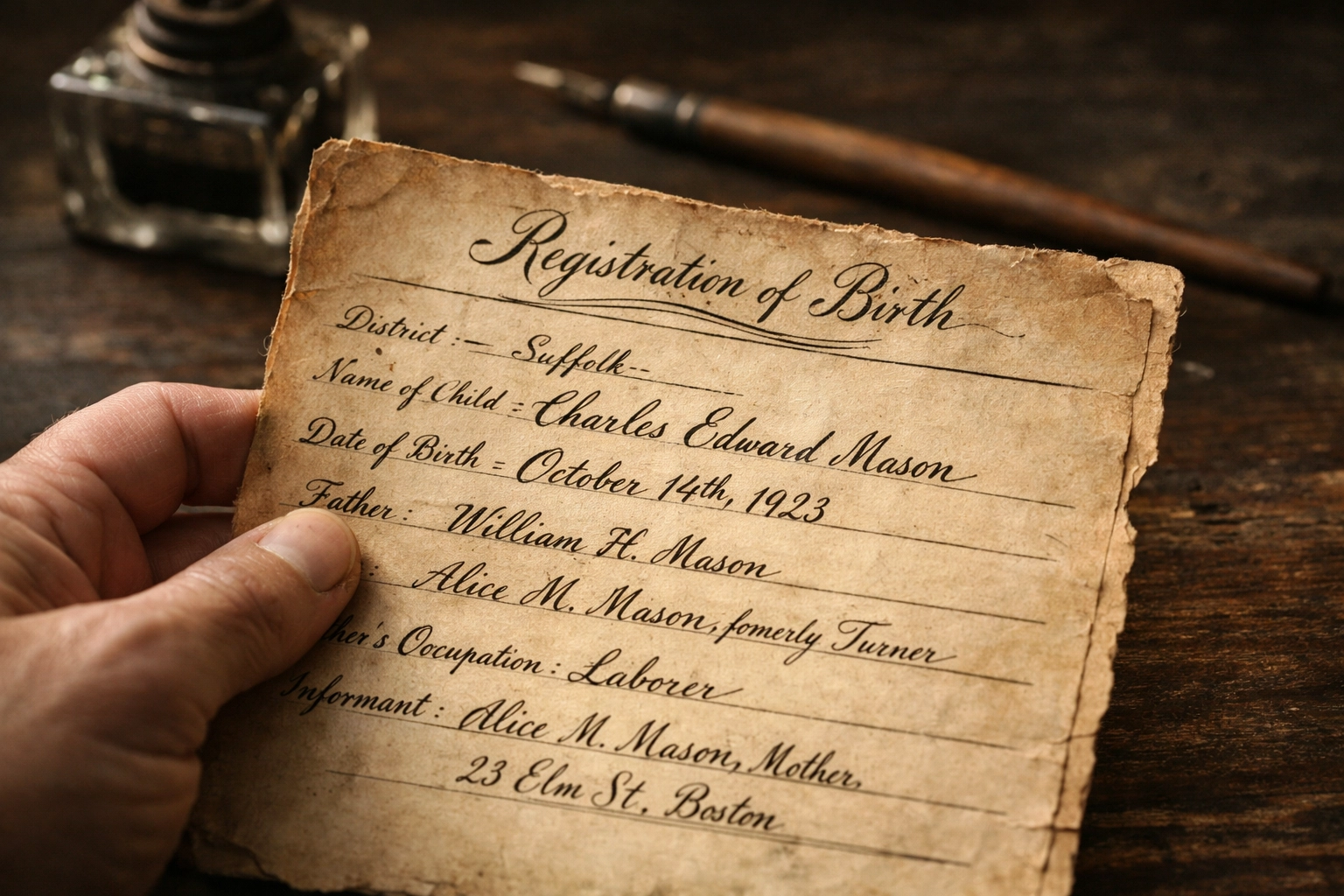
(Caption: An old inkwell and parchment, symbolising the timeless nature of genealogical research and the stories we uncover.)
What Will You Discover?
As you begin your 1925 search, I encourage you to be open to what you find. Sometimes the records reveal surprises: a twin who didn't survive, a change in a father’s occupation that signals a family move, or even a different father listed than you expected. Embrace the truth of the record; it is the honest history of your bloodline.
For more tips on navigating Nova Scotia’s unique records, or to learn more about our specific research packages, visit our blog or check out our Scottish heritage resources if your 1925 ancestors hailed from the Highlands.
Leave a Reply below and let me know: Who are you looking for in the 1925 records? What’s the biggest brick wall you’re hoping this year will finally break down?
Happy hunting,
Brian Nash
Chief Genealogist and Owner, How We Got Here Genealogy Services
This post is part of our commitment to providing high-quality, educational content to the genealogy community. For more information on our services, visit howwegothere.ca.